Category
pH & ORP Electrodes
pH and ORP electrodes from Kuntze and Chemitec for process, wastewater and high-temperature use.
A pH electrode or ORP electrode is the part of the analyser that touches the process, so it's chosen by the medium: clean or dirty, hot or cold, low or high conductivity. Kuntze Zirkon® electrodes cover drinking, wastewater and process water up to 135 °C, while Chemitec S401/S406 VG electrodes handle low-conductivity water down to 5 µS/cm.
10 Products · PH/ORP Electrode

ORP ELECTRODE S406 VG
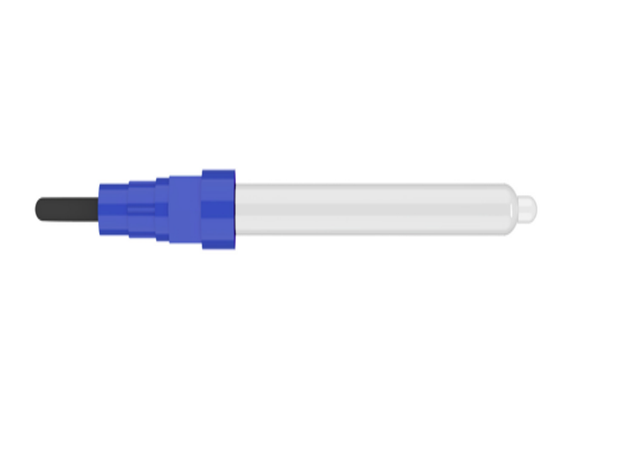
PH ELECTRODE S401 VG

Zirkon® PH Process
pH electrode for process and wastewater, high-alkaline high-temperature glass

Zirkon® PH Process HT
pH electrode for sterilization and high-temperature use up to 135°C, PTFE diaphragm

Zirkon® PH Universal
All-round pH electrode for drinking, process and wastewater applications

Zirkon® PH Wide Body
pH electrode for aggressive chemicals, Ryton/PPS housing, ¾" NPT thread

Zirkon® Redox Universal
All-round redox (ORP) sensor for drinking and process water, -1500 to +1500 mV

Zirkon® Rx Process
Redox (ORP) sensor for dirty process water, PTFE diaphragm, Ag/AgCl reference

Zirkon® Rx Universal
All-round redox (ORP) sensor, TEPOX gel electrolyte, platinum dome electrode

Zirkon® Rx Wide Body
Redox (ORP) sensor for aggressive chemicals, PPS shaft, ¾" NPT thread
Selection guide
pH & ORP Electrodes Guide
How a pH/ORP electrode works
A pH electrode generates a small voltage across a glass membrane that varies with hydrogen ion activity in the medium, referenced against an internal electrolyte. An ORP electrode uses a metal (usually platinum) sensing element instead of glass, generating a voltage related to the medium's oxidising or reducing power. Both need a stable, low-resistance path between the process and the reference electrolyte, through a diaphragm or junction, which is why the diaphragm material and design is the main thing that changes between electrode models for different media.
How to choose a pH/ORP electrode
- Medium condition: Zirkon® pH Universal and Redox Universal suit clean drinking, wastewater and process water; Zirkon® pH Process and Rx Process suit heavily contaminated and aggressive water, the Rx Process using a pollution-resistant PTFE diaphragm.
- Temperature: Zirkon® pH Process HT is stable up to 135 °C and usable in sterilisation with pressure up to 10 bar, for CIP/SIP applications that standard glass electrodes can't survive.
- Aggressive chemicals: Zirkon® pH and Rx Wide Body use a PPS (Ryton®) body up to 110 °C, with a built-in temperature sensor, for flotation, leaching and neutralisation duties.
- Low conductivity: Chemitec S401 VG (pH) and S406 VG (ORP) suit water down to 5 µS/cm, such as groundwater or fish farming, up to 80 °C and 6 bar, using a single-pore diaphragm.
- Measurement type: pH measures acidity/alkalinity directly; ORP (redox) measures oxidising or reducing power, often used to monitor disinfection rather than pH itself.
For the transmitter or controller these electrodes connect to, see pH & ORP Transmitters and Controllers.
FAQ
Common questions
What is the difference between pH and ORP electrodes?
A pH electrode measures acidity or alkalinity through a glass membrane sensitive to hydrogen ions. An ORP electrode uses a metal sensing element, usually platinum, to measure oxidising or reducing power instead, which is often used to monitor disinfection strength rather than pH directly.
Which electrode suits low-conductivity water?
The Chemitec S401 VG (pH) and S406 VG (ORP), built for samples down to 5 µS/cm, such as groundwater or fish farming water. Standard electrodes can struggle in very low-conductivity water because the reference junction needs a minimum ion path to give a stable reading.
Which electrode handles high temperatures and sterilisation?
The Kuntze Zirkon® pH Process HT, stable up to 135 °C and rated for use in sterilisation with pressure up to 10 bar, built with a heat- and corrosion-resistant PTFE diaphragm for repeated CIP/SIP cycles that would degrade a standard glass electrode.
How often does a pH electrode need replacing?
It depends on the medium and duty, since the diaphragm and reference electrolyte wear with use, faster in dirty, hot or aggressive water. Tell us your medium, temperature and cycle frequency and we'll recommend an electrode built for that duty, which extends service life.
Which electrode suits dirty or contaminated process water?
The Zirkon® pH Process and Rx Process electrodes, built for heavily contaminated and aggressive water. The Rx Process uses a pollution-resistant PTFE diaphragm that resists coating better than a standard ceramic junction in dirty streams.
Can these electrodes be used for CIP and cleaning-chemical duty?
The Zirkon® pH and Rx Wide Body electrodes are built for flotation, leaching, neutralisation and harsh chemicals, with a PPS (Ryton®) body rated up to 110 °C and a built-in temperature sensor, and the Process HT electrode extends to full sterilisation at 135 °C.
Need help?
Can't find what you need?
Our team helps you select the right ph/orp electrode products for your application. Request a quote or discuss your requirements.
Expert product guidance
Tailored selection of ph/orp electrode instruments
Custom solutions
Instruments customized for your specific industrial setup
Trusted global brands
Full warranty and official documentation support