Category
ATEX IR Temperature Sensors
Non-contact temperature measurement in hazardous areas with Calex ExTemp and ExTempMini intrinsically safe infrared sensors.
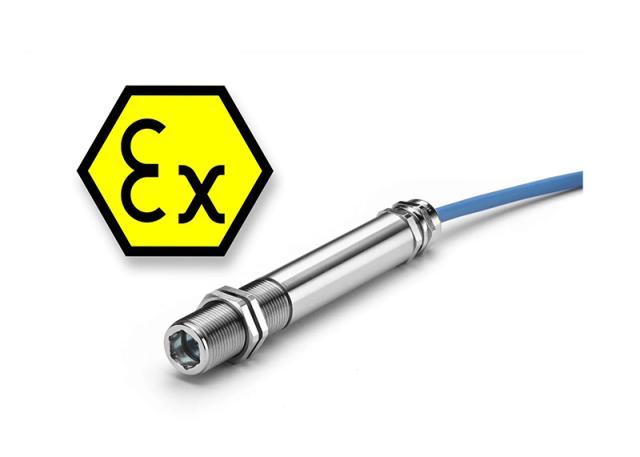
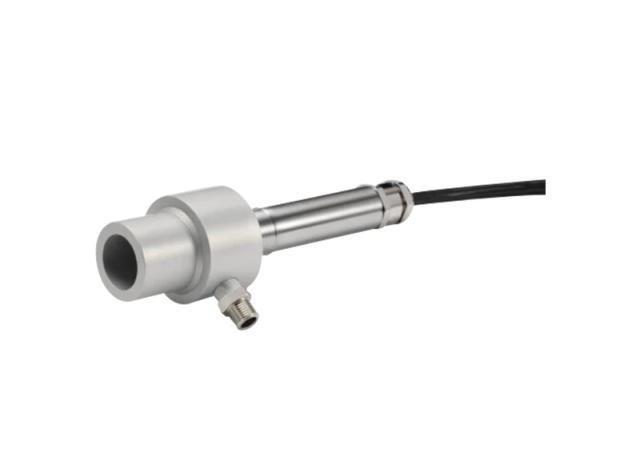
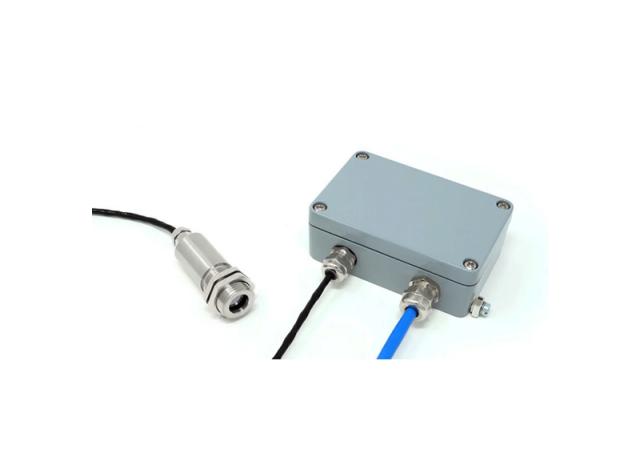
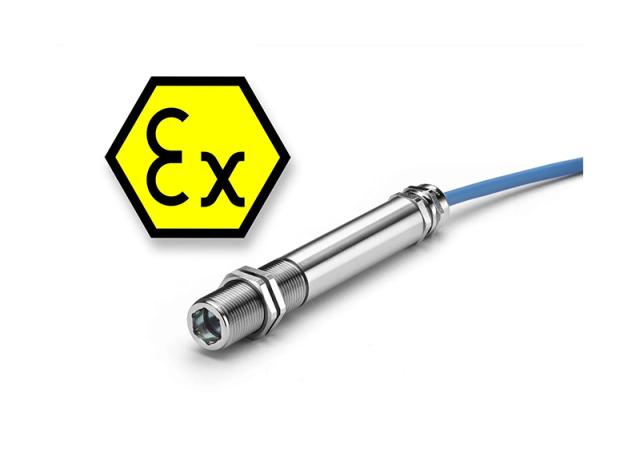
ATEX IR temperature sensors measure temperature without contact on conveyors, rollers, reactors or dryers in hazardous areas. The Calex ExTemp reads -20 °C to 1000 °C, ATEX, IECEx and UKEX certified for gas Zones 0, 1, 2 and dust Zones 20, 21, 22, with a 4 to 20 mA loop-powered output. For standard areas, see Infrared Pyrometers.
2 Products · ATEX IR Temperature Sensors
Selection guide
ATEX IR Temperature Sensors Guide
How an ATEX infrared temperature sensor works
The sensor focuses infrared radiation from the target surface onto a detector, which converts it to a temperature reading without any contact or wear. Because there's no probe touching the process, it suits moving surfaces, rollers or materials that would damage a contact sensor. In a hazardous area, the sensor housing and electronics must be certified for the zone, since a hot or faulty component could otherwise ignite the surrounding atmosphere.
How to choose an ATEX IR temperature sensor
- Zone: the ExTemp is certified for gas Zones 0, 1 and 2 and dust Zones 20, 21 and 22, so it covers continuous and occasional risk in both gas and dust atmospheres.
- Range: both the ExTemp and the compact ExTempMini read -20 °C to 1000 °C.
- Ambient temperature: choose the ExTempMini where the sensing head itself sits in a hot surrounding, up to 180 °C, without needing cooling.
- Output and housing: both give a two-wire, loop-powered 4 to 20 mA signal; the ExTemp has a stainless steel 316 housing supplied with up to 25 m of cable, with an optional RS-485 network adapter.
ExTemp or ExTempMini?
- ExTemp: for a standard installation with cable run to a remote location.
- ExTempMini: for where space is tight or the surroundings run hot, since its miniature head needs no separate cooling.
- Non-hazardous areas: see Infrared Pyrometers.
FAQ
Common questions
What does intrinsically safe mean for a temperature sensor?
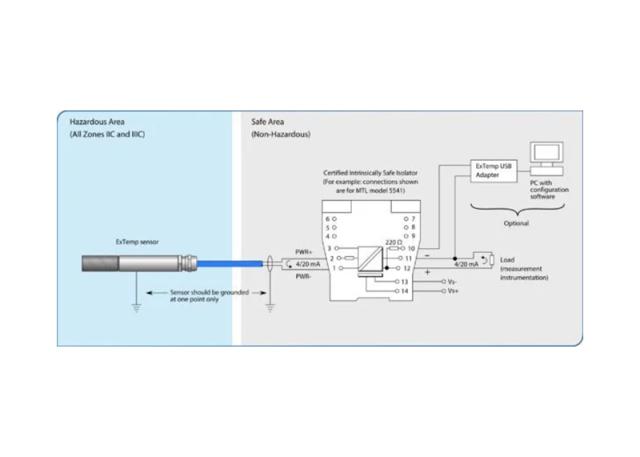
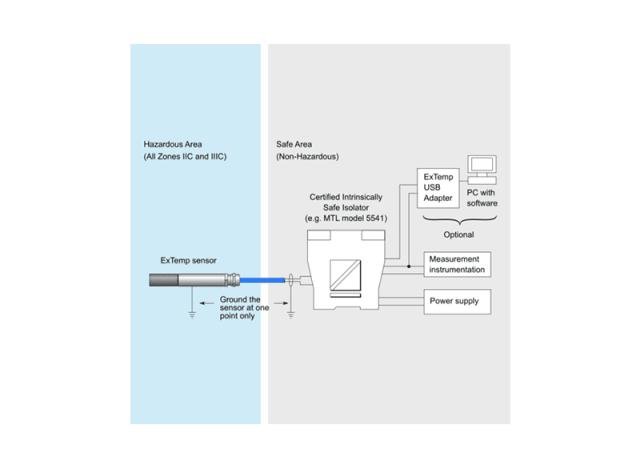
It means the sensor's electrical energy is limited so a fault, such as a short circuit, can't release enough heat or spark to ignite an explosive atmosphere. It's used together with a suitable barrier or isolator in the safe area, and the whole loop must be assessed as a system.
Can the Calex ExTemp be used in dust zones as well as gas zones?
Yes. The ExTemp is certified for dust Zones 20, 21 and 22 as well as gas Zones 0, 1 and 2, so the same sensor covers combustible dust and flammable gas atmospheres, provided the marking matches your specific zone and material.
Which model suits a hot ambient location?
The ExTempMini, whose miniature sensing head is rated for ambient temperatures up to 180 °C without additional cooling. The standard ExTemp needs cooling or distance from very hot surroundings, so check the ambient temperature at the mounting point first.
What temperature range do the ATEX infrared sensors cover?
Both the ExTemp and ExTempMini read from -20 °C to 1000 °C, with a two-wire 4 to 20 mA loop-powered output. That range suits most furnace, dryer, reactor and roller surface measurements without needing a separate power supply run.
Do you supply a wired network option for multiple sensors?
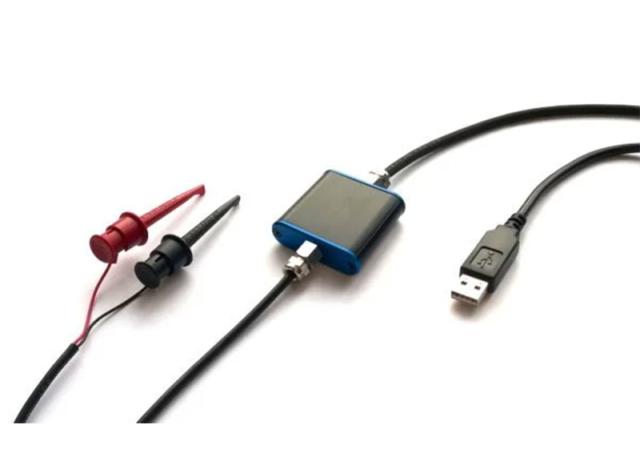
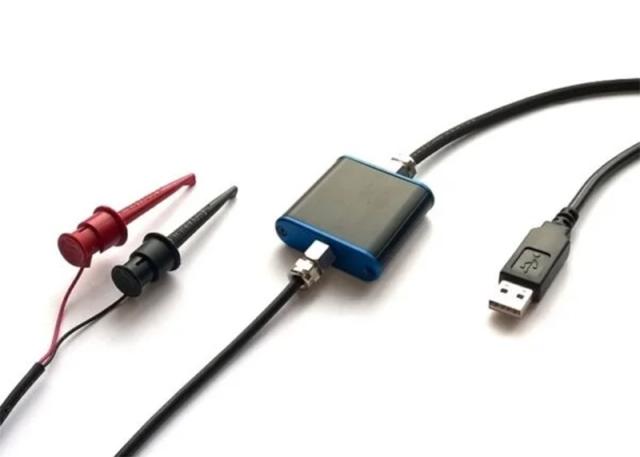
Yes. The ExTemp has an optional RS-485 network adapter and a USB configuration tool, so several sensors can be commissioned and monitored together rather than wired individually back to a control room.
Need help?
Can't find what you need?
Our team helps you select the right atex ir temperature sensors products for your application. Request a quote or discuss your requirements.
Expert product guidance
Tailored selection of atex ir temperature sensors instruments
Custom solutions
Instruments customized for your specific industrial setup
Trusted global brands
Full warranty and official documentation support