Category
Infrared Temperature Sensors / Pyrometers
Non-contact infrared temperature sensors and pyrometers from Calex for process, lab and hazardous areas.
An infrared temperature sensor, or pyrometer, measures a surface's temperature from the heat it radiates, without touching it. This page covers the Calex range: simple 4 to 20 mA sensors, miniature heads for tight spaces, models with a display, smartphone and Modbus set-up, and versions covering -40 to 2000 °C. For hazardous areas, see the ATEX IR temperature sensors.
14 Products · Infrared Temperature Sensors / Pyrometers
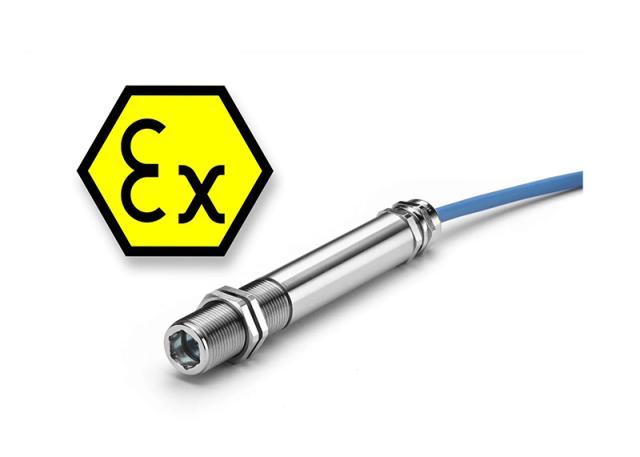
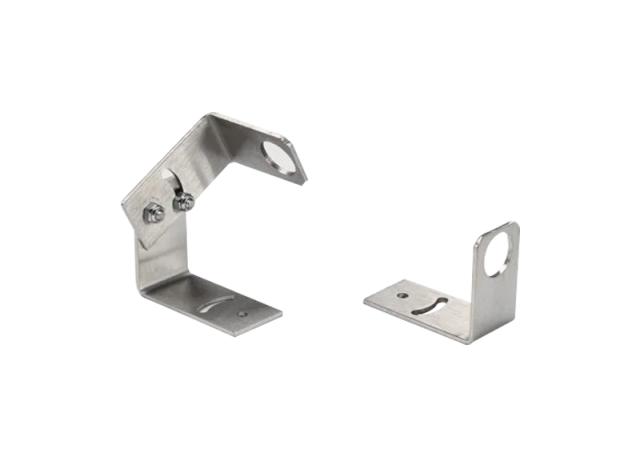
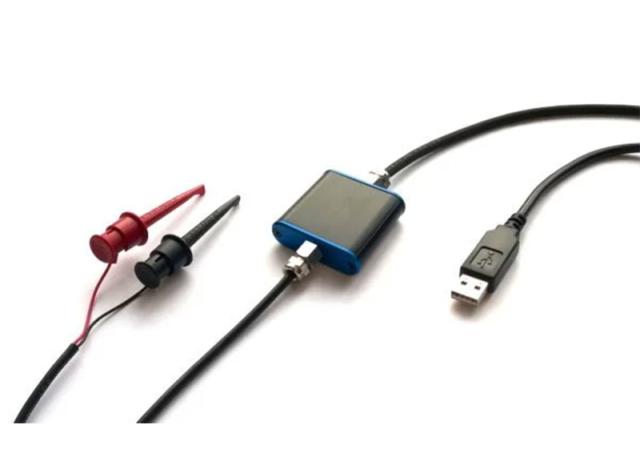
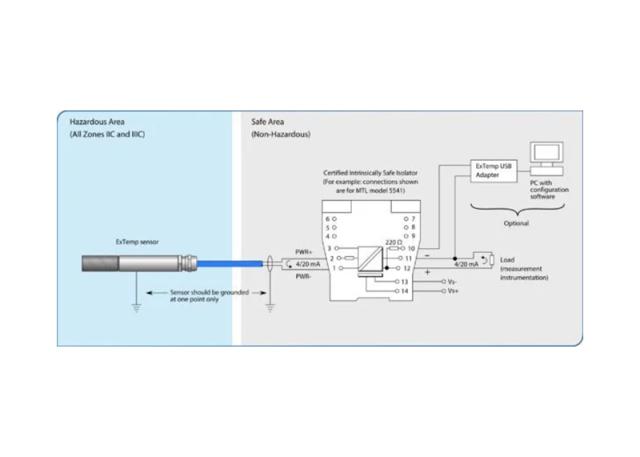
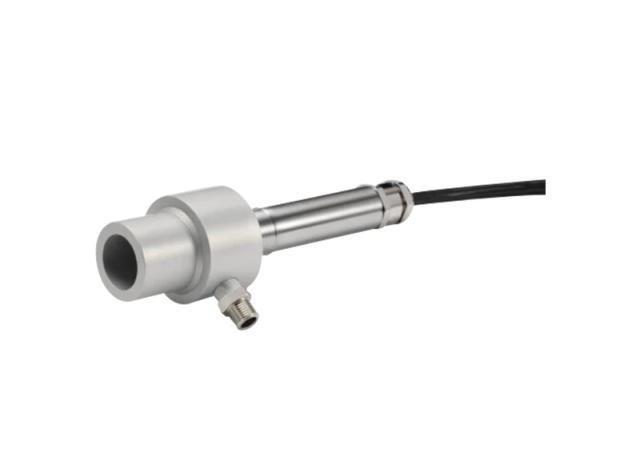
ExTemp – Intrinsically Safe For Hazardous Areas
Intrinsically safe infrared pyrometer, -20 to 1000°C, ATEX/IECEx Zone 0/20, 4-20 mA loop
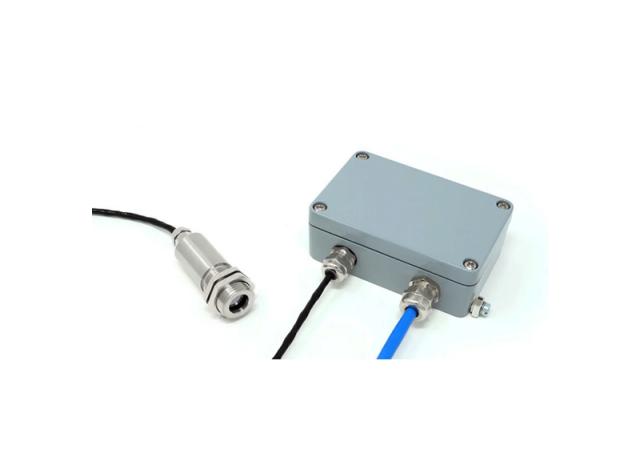
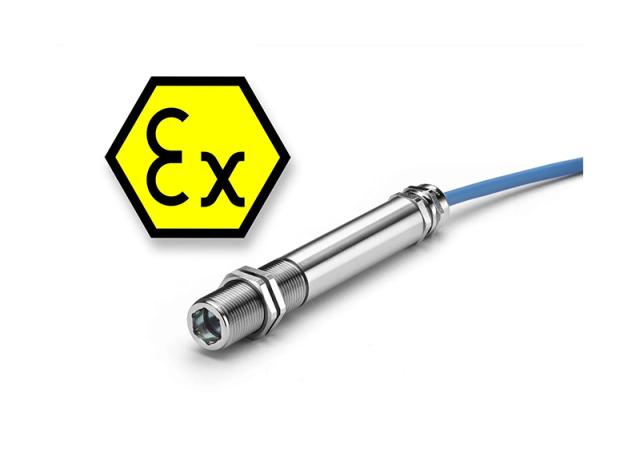
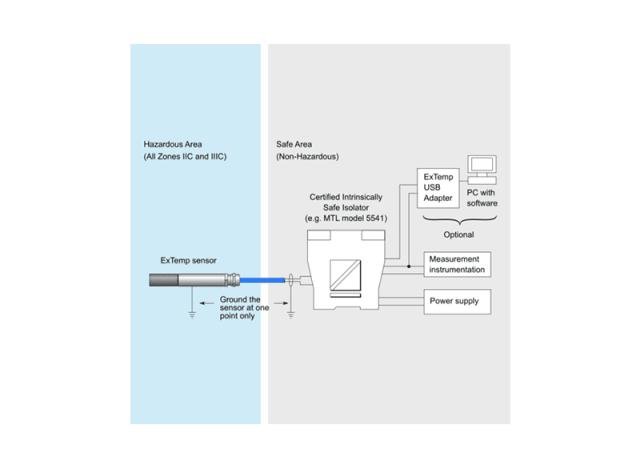
ExTempMini – Miniature Intrinsically Safe Infrared Temperature Sensor For High Ambient Temperatures


PM180 – 6-Channel Modbus Pyrometer Hub With Data Logging


PyroCAN – Pyrometer With Digital CAN Interface
PyroCouple – Simple Infrared Temperature Sensor With Analogue Output

PyroEpsilon – Fixed Infrared Temperature Sensor With Adjustable Emissivity

PyroMini 2.2 Series: Non-Contact Temperature Sensors For Short Wavelengths


PyroMini Miniature Infrared Temperature Sensor With Separate Electronics Module

PyroMini OEM – Low-Cost Pyrometer For Machine Manufacturers


PyroMiniUSB – Miniature Pyrometer With RS-485 Modbus For Multi-Channel Systems

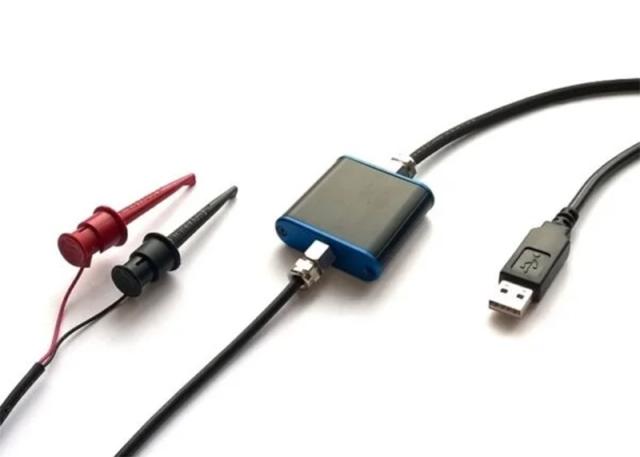
PyroMiniUSB – USB Infrared Temperature Sensor For Benchtop, Laboratory And Education

PyroNFC – Smartphone-Configurable Pyrometer With Voltage Or Thermocouple Output – Now With IOS App!
Selection guide
Infrared Temperature Sensors / Pyrometers Guide
How an infrared temperature sensor works
Every surface radiates infrared energy in proportion to its temperature, and the sensor focuses that radiation onto a detector to give a reading with no contact and no wear. Accuracy depends on emissivity, how efficiently the surface radiates heat: most non-metals are around 0.95, while shiny metals are much lower. Set the emissivity correctly, or use a short-wavelength model for those low-emissivity metals.
How to choose a pyrometer
- Output: the PyroCouple and PyroEpsilon give a simple analogue signal. The PyroUSB adds PC configuration with a 4 to 20 mA output, from -40 to 2000 °C.
- Range and target: the PyroCouple covers -20 to 500 °C with fixed emissivity. The PyroMini 2.2 short-wavelength models measure metals up to 2000 °C, where standard emissivity settings don't work.
- Ambient heat: where the sensor itself sits in a hot area, the PyroMini's separate electronics module takes heads rated to 120 °C or 180 °C ambient without cooling.
- Local display: choose the PyroSigma or the PyroMini 2.2 touchscreen when you need the reading at the sensor, not just at a controller.
- Set-up: the PyroNFC is configured from a smartphone app. Others are set by PC (PyroUSB) or dip switches.
- Networking: for multiple points, use Modbus (PyroMiniUSB Modbus, up to 247 sensors on RS-485) or CAN bus (PyroCAN), or bring up to 6 sensors into one PM180 hub with data logging.
- Hazardous areas: the ExTemp and ExTempMini are intrinsically safe, ATEX/IECEx Zone 0/20, 4 to 20 mA loop powered.
Monitoring switchgear joints or a kiln shell rather than a single spot? See busbar temperature monitoring and kiln shell hot spot monitoring.
FAQ
Common questions
What is a pyrometer and how does it differ from an RTD?
A pyrometer is an infrared temperature sensor: it reads a surface's temperature from the heat it radiates, with no contact. An RTD or thermocouple has to touch the medium. Use a pyrometer for moving parts, live-electrical joints, very hot surfaces or anywhere a contact sensor would wear out or can't reach.
What is emissivity and why does it matter for an infrared sensor?
Emissivity is how efficiently a surface radiates heat compared with a perfect radiator. Most non-metals sit around 0.95, but shiny metals radiate much less, which can make an infrared reading too low if the sensor isn't set for that surface. Calex sensors let you set emissivity, or use a short-wavelength model for metals.
Which Calex pyrometer suits a furnace or kiln?
For a single hot spot up to 2000 °C, the PyroUSB or a PyroMini 2.2 short-wavelength head suits furnace and metal work. For monitoring many points along a kiln shell continuously, see our kiln shell hot spot monitoring system, which uses the same PyroMiniBus sensor technology with PM180 displays.
Can an infrared temperature sensor work in a hazardous area?
Yes, with the right model. The Calex ExTemp is intrinsically safe for ATEX/IECEx Zone 0 and 20, covering -20 to 1000 °C on a 4 to 20 mA loop. The smaller ExTempMini suits the same zones where space is tight. Standard PyroCouple and PyroUSB sensors are not rated for hazardous areas.
How many infrared sensors can I connect on one Modbus network?
The PyroMiniUSB Modbus sensor supports up to 247 sensors on one RS-485 network, for large multi-point installations. The PM180 hub is simpler: it displays and logs up to 6 sensors locally and can pass the readings on to a PLC or SCADA system over Modbus.
What is the temperature range of a Calex infrared sensor?
It depends on the model. The PyroCouple covers -20 to 500 °C, the PyroUSB -40 to 2000 °C, and the PyroMini 2.2 short-wavelength range reaches 2000 °C for metals. Tell us your target surface and expected temperature and we'll confirm the right sensor and emissivity setting.
Need help?
Can't find what you need?
Our team helps you select the right infrared temperature sensors / pyrometers products for your application. Request a quote or discuss your requirements.
Expert product guidance
Tailored selection of infrared temperature sensors / pyrometers instruments
Custom solutions
Instruments customized for your specific industrial setup
Trusted global brands
Full warranty and official documentation support