Category
Carbon Potential Oxygen Probes
Control carbon potential in heat treatment furnaces with Econox CarboProbe oxygen probes.
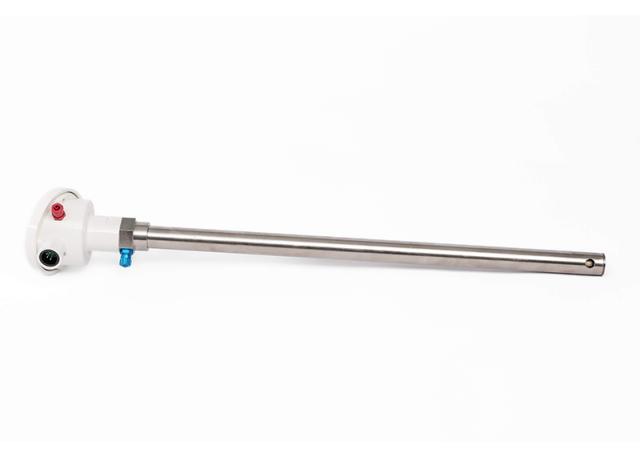
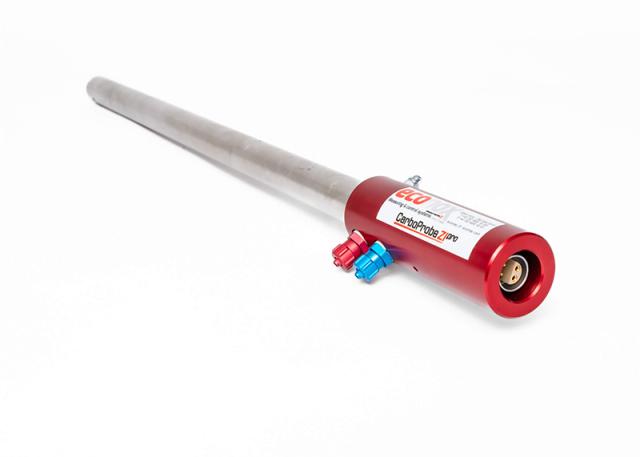
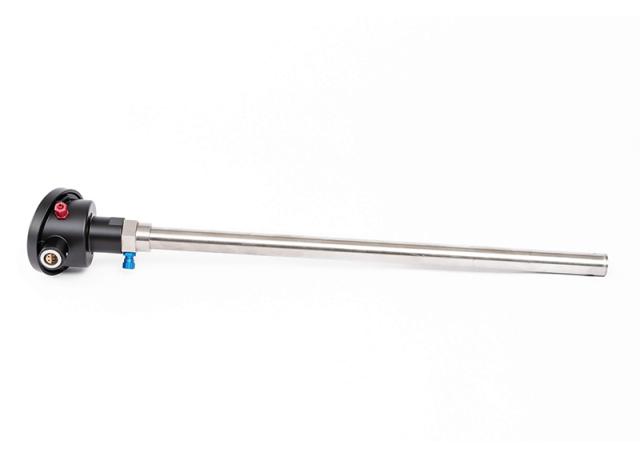
A carbon potential probe measures the oxygen in a heat treatment furnace atmosphere, which the controller uses to calculate carbon potential and adjust the gas supply. All three Econox CarboProbe models here use a zirconia (ZrO2) element and work from 600 °C to 1150 °C, with different designs for repair, sensor stress and drop-in replacement.
3 Products · Oxygen Probes For Heat Treatment
Selection guide
Carbon Potential Oxygen Probes Guide
How a carbon potential oxygen probe works
The zirconia measuring element generates a voltage that depends on the difference in oxygen concentration between the furnace atmosphere and a reference air supply flowing through the probe. The controller reads this voltage, typically 0 to 1200 mV with a response time under 1 second, and combines it with the furnace temperature to calculate the atmosphere's carbon potential, then trims the gas mixture to hold the target %C at the part surface.
Choosing a CarboProbe
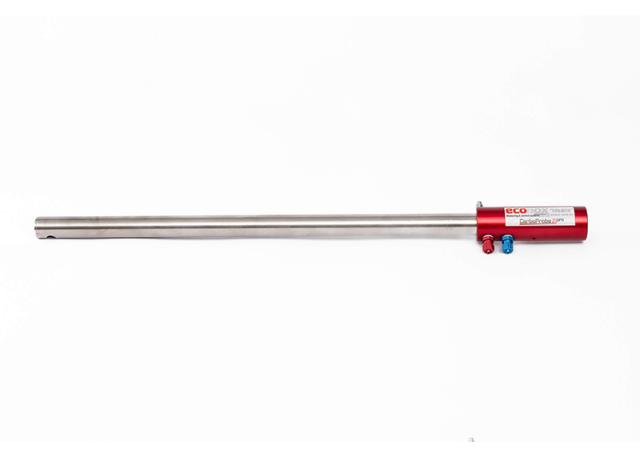
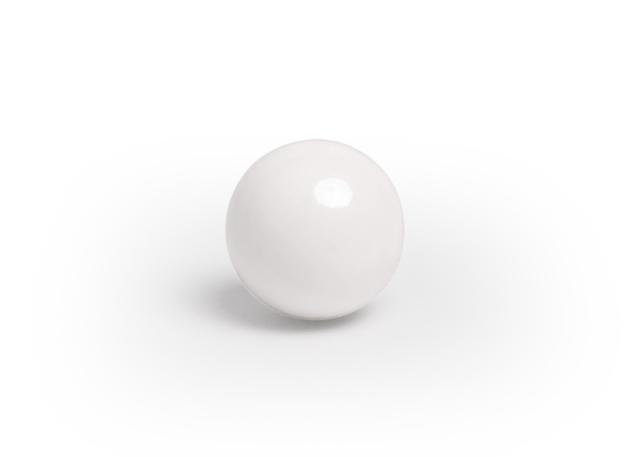
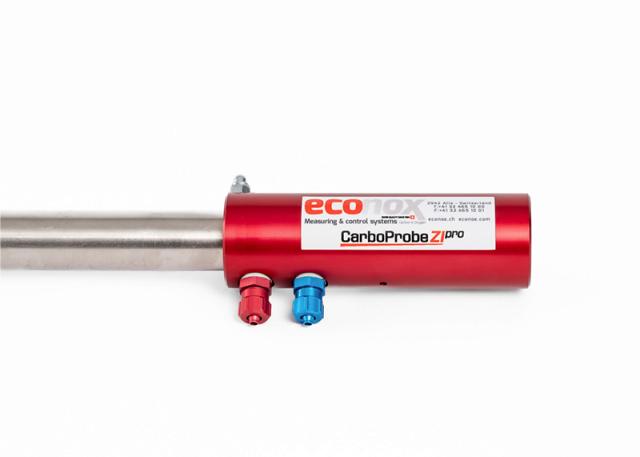
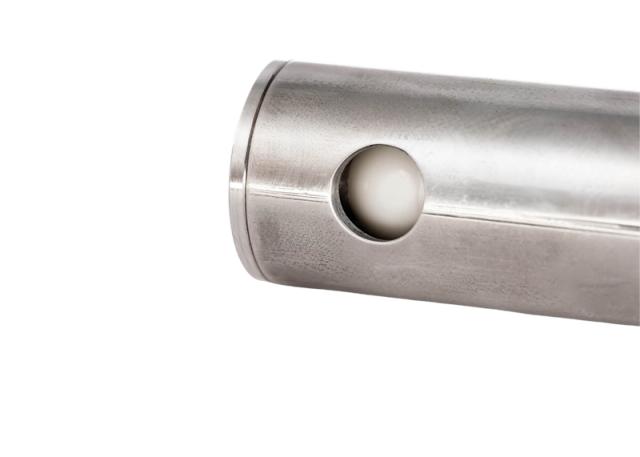
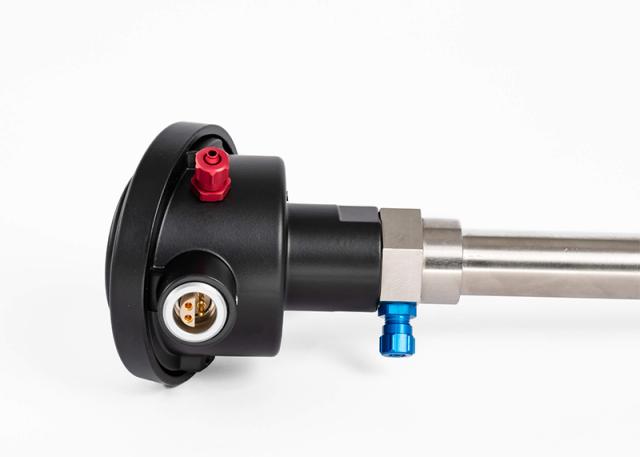
- Repairability: the CarboProbe ZI Pro uses an interchangeable ZrO2 ball as its measuring element, so a worn element can be swapped without replacing the whole probe. It needs a higher reference air flow, 20 to 30 l/h.
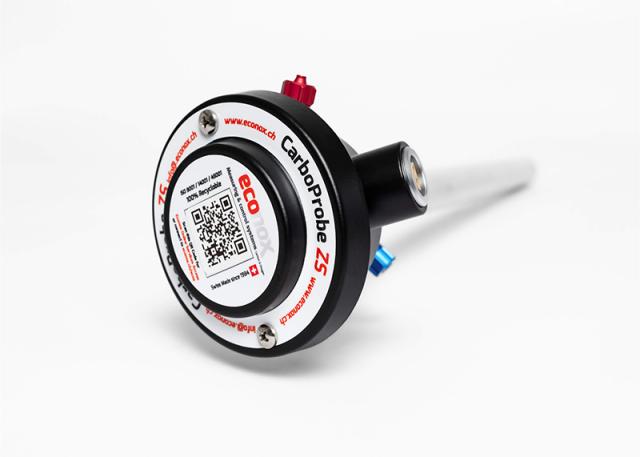
- Sensor stress: the CarboProbe ZS Pro uses independent calibrated compression springs to limit mechanical stress on the sensor in difficult conditions, at Ø25 mm, with a lower reference air flow of 1 to 6 l/h.
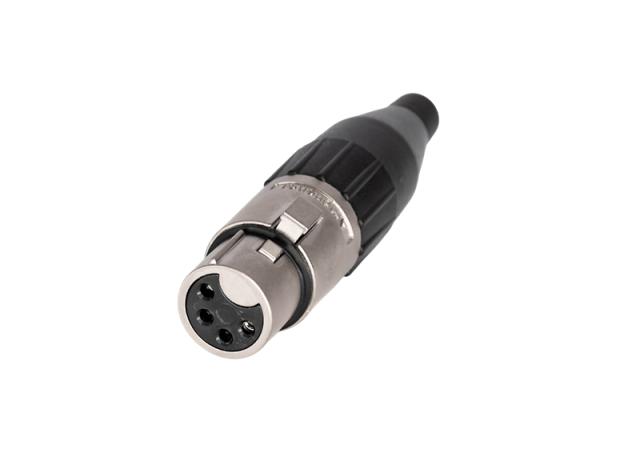
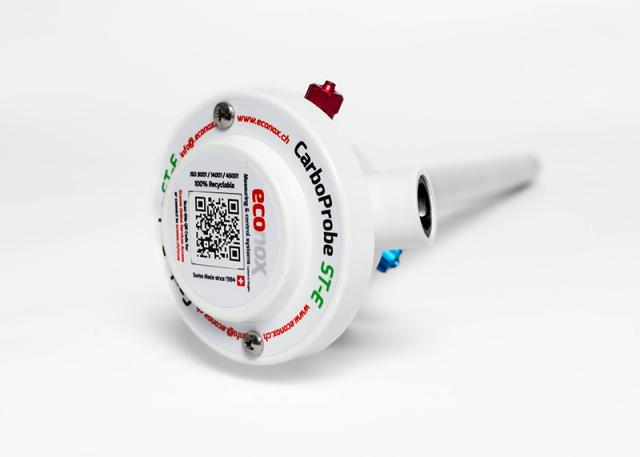
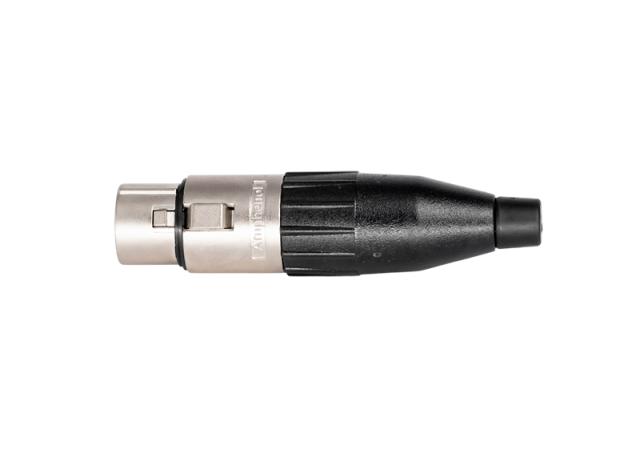
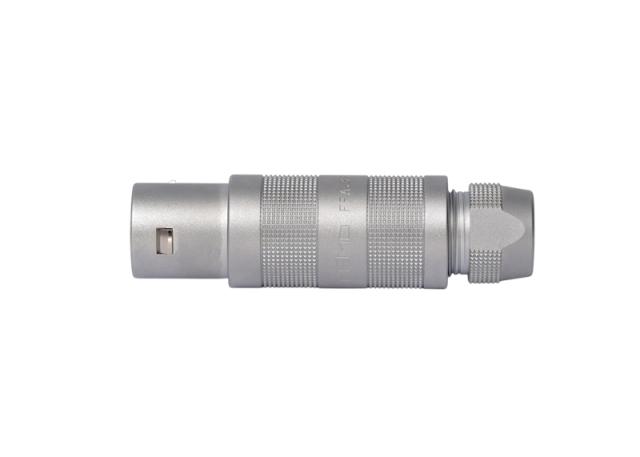
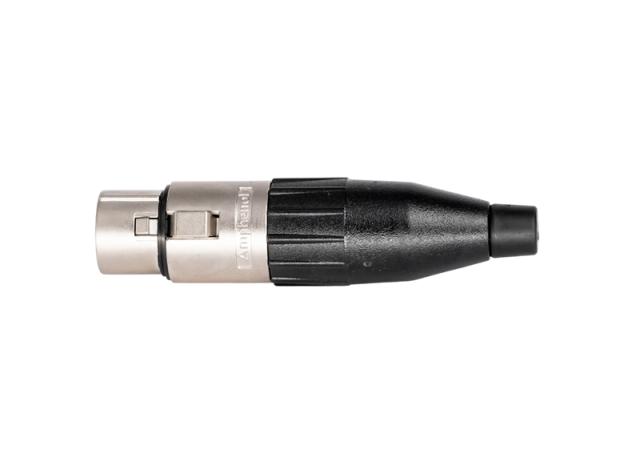
- Drop-in replacement: the CarboProbe ST E is built as a direct replacement for widely used probe designs, with a standard 4-pin plug, so it can often replace an existing probe without rewiring the controller. Tell us your current probe and we'll confirm.
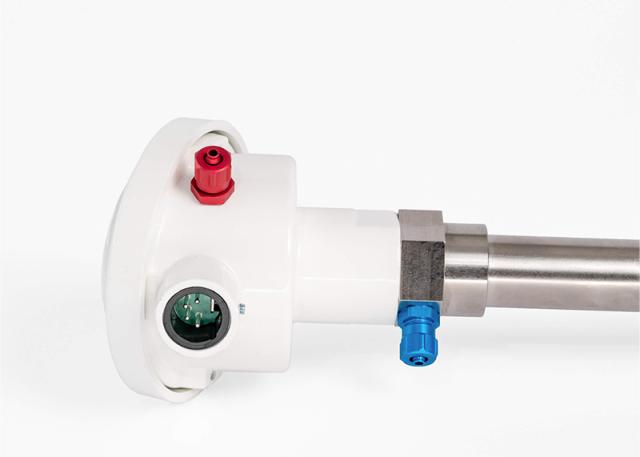
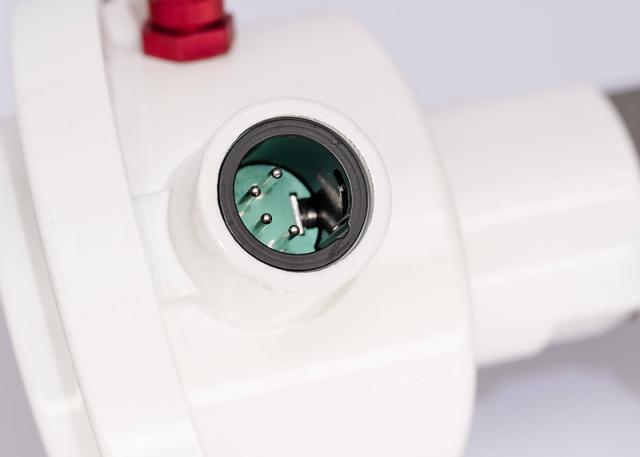
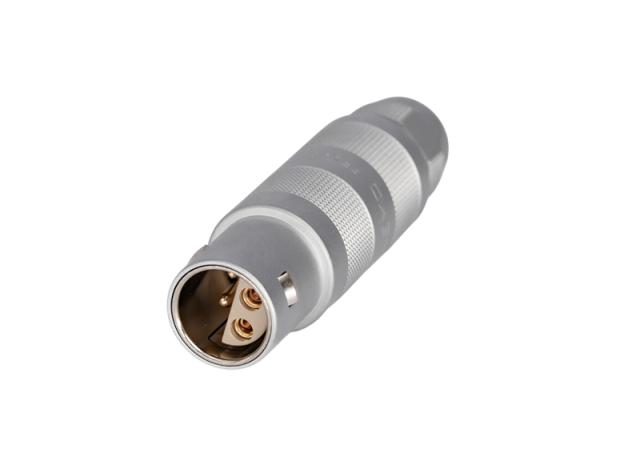
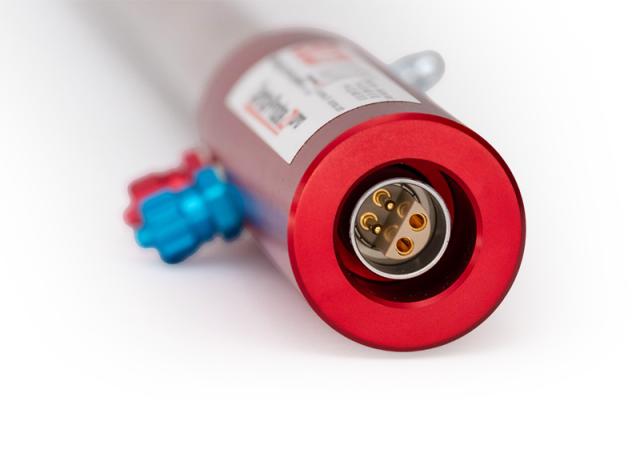
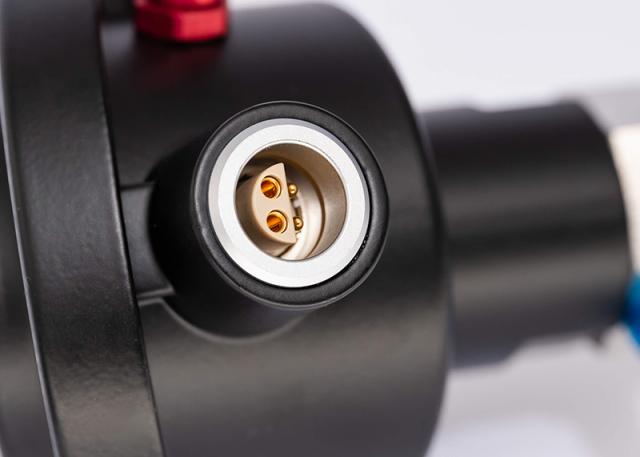
- Connector type: the ZI Pro and ZS Pro use a gold-coated LEMO connector and are interchangeable with each other without rewiring; the ST E uses a standard 4-pin cord plug instead.
- Length: all three are available from 350 to 1200 or 1300 mm depending on model, to suit the furnace wall thickness.
- Thermocouple: each probe is available with a Type K, S or N thermocouple, or without one where the furnace already has its own temperature measurement.
All three probes are 100% factory tested with a test certificate included. They suit carburising, carbonitriding and neutral hardening furnaces, and endothermic gas generators. For furnace surface temperature, see Infrared Pyrometers.
FAQ
Common questions
How does an oxygen probe measure carbon potential?
It measures the oxygen concentration in the furnace atmosphere through a zirconia (ZrO2) element, which generates a voltage proportional to the difference between the furnace atmosphere and a reference air supply. Combined with the furnace temperature, the controller uses that voltage to calculate carbon potential and adjust the gas mixture.
What is the difference between the CarboProbe ZI Pro and ZS Pro?
The ZI Pro uses an interchangeable ZrO2 ball, so you can replace the worn measuring element without swapping the whole probe, and needs 20 to 30 l/h reference air. The ZS Pro uses a fixed ZrO2 solid electrolyte held by calibrated springs that limit mechanical stress, and needs only 1 to 6 l/h reference air. Both use the same LEMO connector and are interchangeable with each other.
Can a CarboProbe replace the oxygen probe already on my furnace?
Usually, yes. The CarboProbe ST E is built as a direct replacement for widely used probe designs, with a standard 4-pin plug, so it can often be fitted without rewiring the controller. The ZI Pro and ZS Pro use a LEMO connector instead. Tell us your current probe and controller and we'll confirm the match.
What temperature range do carbon potential probes cover?
All three CarboProbe models work from 600 °C to 1150 °C (1100 °F to 2100 °F), which covers carburising, carbonitriding and neutral hardening furnace atmospheres. Response time is under 1 second, so the controller sees a fast-changing atmosphere without a lagging reading.
Which CarboProbe suits difficult furnace conditions?
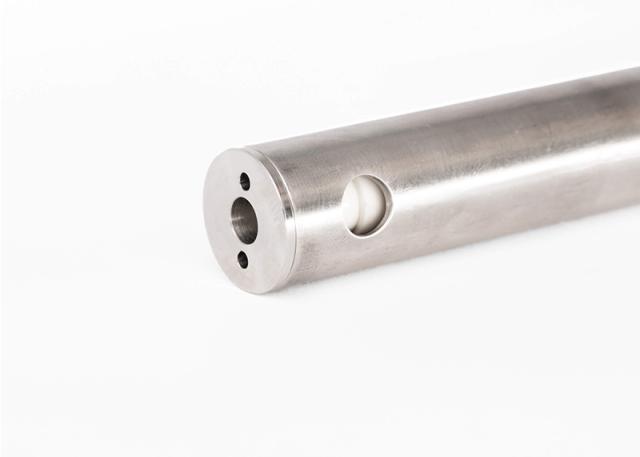
The ZS Pro and ST E are both built for difficult conditions, with a redesigned in-situ sensor construction. The ZS Pro adds calibrated springs to reduce sensor stress, while the ST E adds a refractory steel outer tube. The ZI Pro suits applications where quick removal and ball replacement matter more, such as frequent thermal shock from door openings.
Need help?
Can't find what you need?
Our team helps you select the right oxygen probes for heat treatment products for your application. Request a quote or discuss your requirements.
Expert product guidance
Tailored selection of oxygen probes for heat treatment instruments
Custom solutions
Instruments customized for your specific industrial setup
Trusted global brands
Full warranty and official documentation support