Category
Turbidity Sensors (0 to 4000 NTU)
Turbidity sensors from ultra-low to high NTU, from Chemitec and Exner.
A turbidity sensor measures how cloudy a liquid is: in water treatment it confirms filtration and clarity in NTU, and in food and beverage processes it tracks product concentration, separation and phase changes. Chemitec S461-LT and S461-TN scattered-light sensors cover 0 to 10 NTU up to 4000 NTU, alongside Exner EXplore and EXspect NIR sensors for process concentration.
8 Products · Turbidity Sensor

EXplore 131 Compact Turbidity Sensor

EXplore 171 Compact Turbidity Sensor

EXspect 231 NIR Absorption Sensor In Compact Design

EXspect 271 NIR Backscattering Sensor In Compact Design
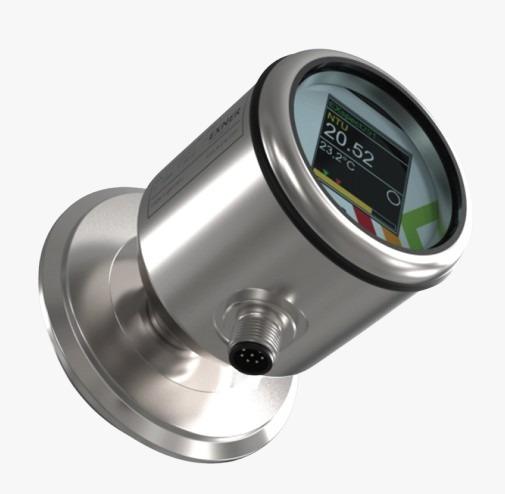
EXspect 291 (0-200 NTU/ 0...50 EBC)
NIR 90°-scattered light sensor
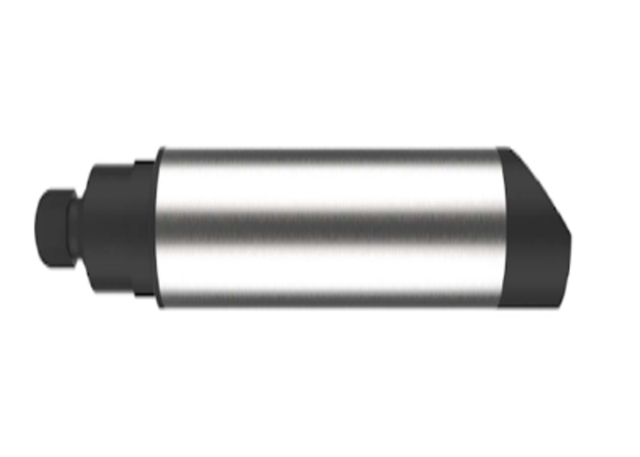
High Turbidity Sensor S461-TN (upto 4000 NTU)
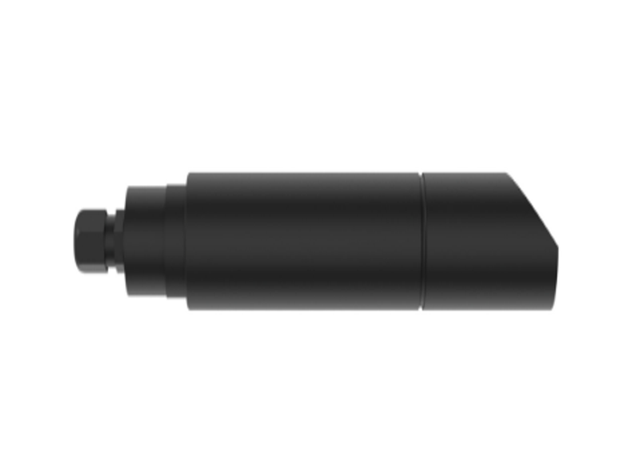
Low Turbidity Sensor S461-LT (upto 100 NTU)

Ultra Low Turbidity Sensor (0-10 NTU)
Selection guide
Turbidity Sensors (0 to 4000 NTU) Guide
How a turbidity sensor works
Most water turbidity sensors shine light into the sample and measure how much scatters at 90° to the beam, the principle behind NTU (Nephelometric Turbidity Unit). More suspended particles scatter more light, so the 90° signal rises with cloudiness. Exner's NIR process sensors work differently: absorption sensors measure how much near-infrared light passes straight through, while backscatter sensors measure light reflected back toward the source, both suited to higher-concentration food and beverage streams where a 90° scattered-light sensor would saturate.
How to choose a turbidity sensor
- Range: the S461-LT covers 0 to 10 or 0 to 100 NTU at 0.01 NTU resolution for low-turbidity water such as drinking water or filtered process streams; the S461-TN extends to 4000 NTU for higher-turbidity applications; the Ultra Low Turbidity Sensor targets 0 to 10 NTU specifically for drinking water and swimming pools.
- Measurement method: use 90° scattered light for clear-to-moderate liquids, backscatter (EXspect 271) for high-turbidity or opaque streams, and absorption (EXspect 231) for concentration monitoring in food and beverage.
- Process fit: EXspect 291 reads 0 to 200 NTU or 0 to 50 EBC, useful where a food or beverage process reports in EBC rather than NTU.
- Compact vs standard: EXplore 131 and 171 are compact water-turbidity sensors where space is limited, using the same 90° scattering principle as the S461 series.
- Application: drinking water and filtration duty need low-range, high-resolution sensors; brewing, juice and dairy lines suit the Exner NIR sensors, which read in EBC or FAU as well as NTU.
For solids concentration in heavier sludge streams, see Suspended Solids Analyser.
FAQ
Common questions
What is NTU in turbidity measurement?
NTU stands for Nephelometric Turbidity Unit, the standard unit for water turbidity, measured from light scattered at 90° to the beam as it passes through the sample. More suspended particles scatter more light, giving a higher NTU reading, and it's the unit used to confirm filtration performance and drinking water clarity.
Which turbidity sensor suits drinking water?
The Chemitec S461-LT or the Ultra Low Turbidity Sensor, both built for low turbidity down to 0 to 10 NTU with 0.01 NTU resolution, which is the precision needed to confirm filtration performance and meet drinking water clarity targets.
Which sensor suits beer, juice or dairy processes?
The Exner EXspect sensors, which measure in EBC and percentage turbidity as well as NTU, are CIP/SIP-capable, and use absorption or backscatter methods suited to the higher concentrations found in food and beverage streams rather than clear drinking water.
Scattered light, backscatter or absorption: what's the difference?
Scattered light (90°) suits clear-to-moderate liquids and is the basis of NTU. Backscatter measures light reflected toward the source, working better in high-turbidity or opaque streams. Absorption measures light passing straight through, suited to tracking concentration in food and beverage processes.
Which sensor covers the widest turbidity range?
The Chemitec S461-TN, built for high turbidity up to 4000 NTU, well beyond the 0 to 10 or 0 to 100 NTU range of the S461-LT, which is intended for low-turbidity water rather than heavily loaded process streams.
Can turbidity sensors be used in a compact installation?
Yes. The Exner EXplore 131 and 171 are compact stainless steel water-turbidity sensors using the same 90° scattering principle as the standard S461 series, sized for installations where a full-size sensor housing doesn't fit.
Need help?
Can't find what you need?
Our team helps you select the right turbidity sensor products for your application. Request a quote or discuss your requirements.
Expert product guidance
Tailored selection of turbidity sensor instruments
Custom solutions
Instruments customized for your specific industrial setup
Trusted global brands
Full warranty and official documentation support