Category
Broken Bag Leak Detectors
Find torn or leaking filter bags early, before they cause emissions, product loss or a failed stack test.
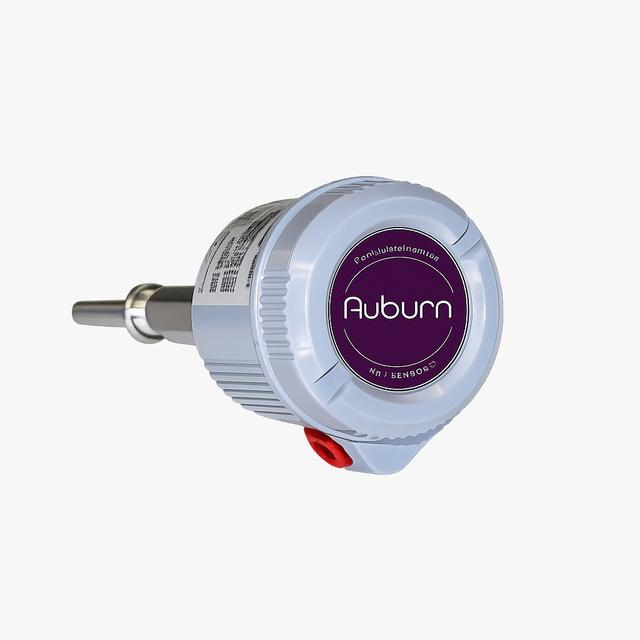
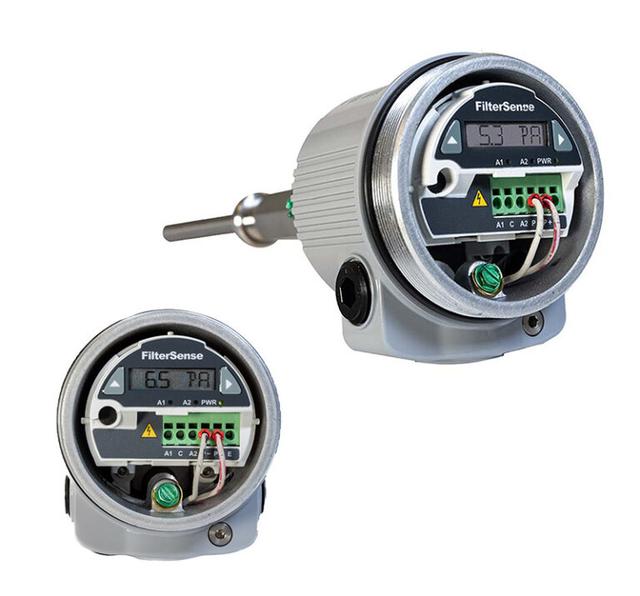
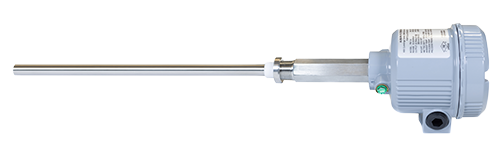
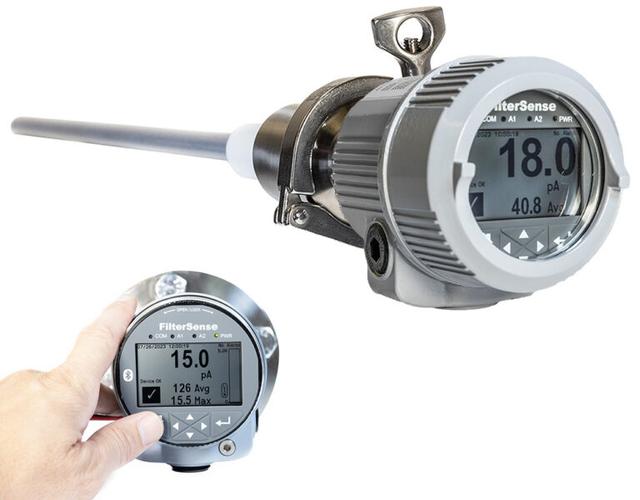
A broken bag leak detector watches the clean-air duct after a baghouse and raises an alarm the moment a filter bag tears or works loose, before dust reaches the stack. This page covers the Auburn PM-1 and PM-1Pro, which use DynaCHARGE™ charge-induction sensing. For explosive dust areas, see ATEX bag filter leak detection.
Browse by type
Broken Bag Leak Detector Subcategories
2 Products · Broken Bag Leak Detector
Selection guide
Broken Bag Leak Detectors Guide
How broken bag detection works
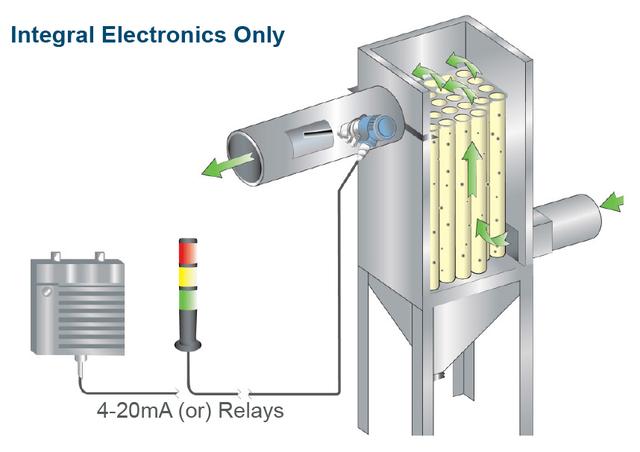
The sensor sits in the clean-air duct downstream of the filter, on a straight run where dust is well mixed, and dust particles passing the probe induce a small electrical charge that the monitor converts into a signal rising with the amount of dust. An intact filter gives a steady, low reading. When a bag tears or a seal fails, the reading climbs and the monitor alarms, usually long before any dust is visible at the stack.
Choosing a broken bag detector
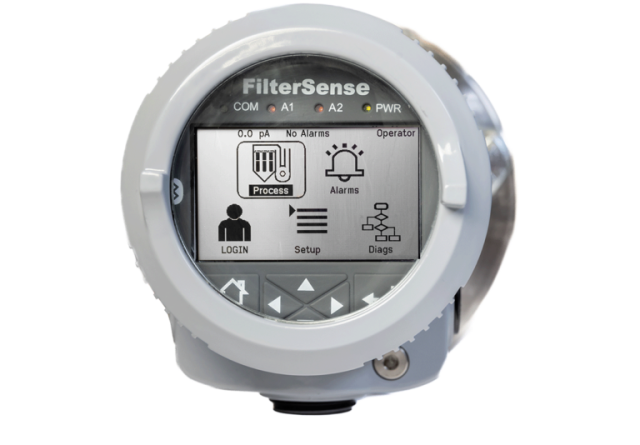
- Alarm only or trend and report: the PM-1 gives a straightforward alarm at the lowest cost. The PM-1Pro adds continuous low-level measurement, a graphic display and logging, for sites that also need to trend or report emissions.
- Number of compartments: one sensor confirms that the filter is leaking, not which bag. On a multi-compartment baghouse, fit one sensor per compartment outlet to identify the leaking section.
- Temperature and pressure: check the process gas temperature and duct pressure against the model's rated limits before ordering.
- Hazardous dust: where the dust itself is explosive, choose the ATEX version instead of the standard monitor.
- Application: the same PM-1 and PM-1Pro sensors also cover powder flow detection in conveying lines and stack dust monitoring for emissions records, so one product family can often cover more than one job on a plant.
See Broken Bag Detector for model details, Solid Flow Monitoring Device for conveying-line flow detection, and Stack Dust Loss Monitoring Device for emissions monitoring at the stack.
FAQ
Common questions
What is a broken bag leak detector?
It's a sensor fitted in the clean-air duct after a baghouse or dust collector that measures dust continuously. When a filter bag tears, loosens or blows out, the dust level in the duct rises and the detector raises an alarm, catching the fault well before it shows up at the stack or affects product quality.
Where should the sensor be installed?
In the clean-air duct between the filter outlet and the stack or fan, on a straight section where the dust is well mixed across the duct. Avoid bends, dampers and points close to the fan inlet. Send us your duct layout and we'll suggest a position.
Can one detector tell me which bag is leaking?
No. A single sensor tells you that the filter as a whole is leaking, not which individual bag or compartment. On a multi-compartment baghouse, fit a sensor on each compartment's outlet duct so you can see exactly which section needs attention.
Is Auburn's sensing technology triboelectric?
No. The PM-1 and PM-1Pro use Auburn's DynaCHARGE™ charge-induction sensing, where particles passing the probe induce a measurable electrical charge. It's often searched alongside triboelectric detectors because both are non-optical, probe-based technologies, but the two work on different principles.
Which plants use broken bag leak detection?
It's common wherever bag filters handle process or combustion dust: cement plants on kiln, raw mill, coal mill and cement mill filters, power plant and boiler baghouses, and steel, foundry, chemical and food powder plants. Any site with a stack test or emissions limit to meet benefits from continuous monitoring.
Does a broken bag detector replace a stack emissions monitor?
Often the same instrument does both jobs. Set up as a leak detector, it alarms as soon as a bag fails. Set up with the PM-1Pro's logging, it also keeps a continuous emissions record for your environment team. Tell us which you need and we'll confirm the configuration.
Need help?
Can't find what you need?
Our team helps you select the right broken bag leak detector products for your application. Request a quote or discuss your requirements.
Expert product guidance
Tailored selection of broken bag leak detector instruments
Custom solutions
Instruments customized for your specific industrial setup
Trusted global brands
Full warranty and official documentation support