Category
Milk Silo Level Transmitters
Hygienic, flush-mounted level transmitters for milk silos and dairy tanks.
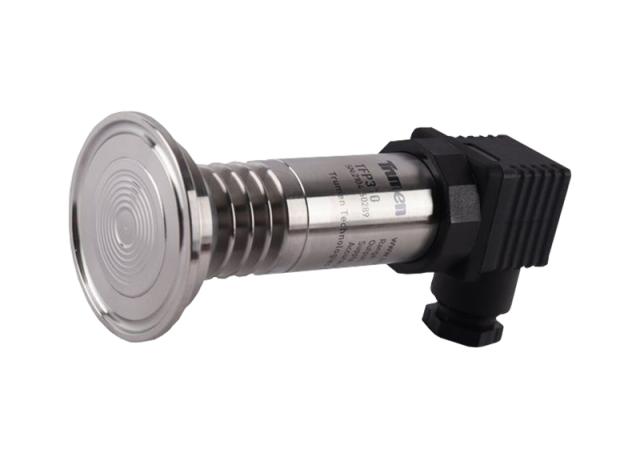
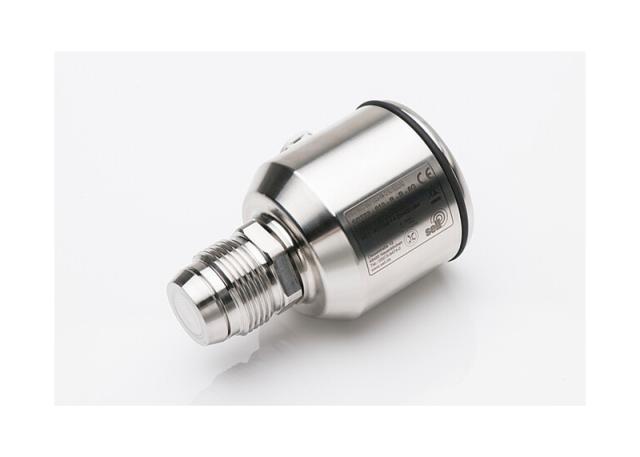
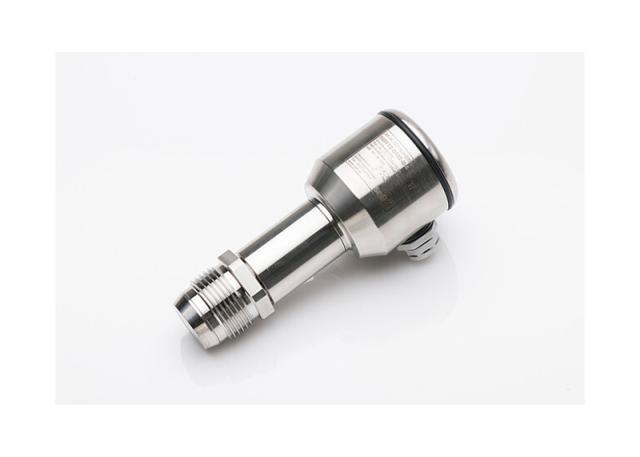
A milk silo level transmitter needs a flush diaphragm, so there's no cavity where product can collect between the tank wall and the sensor and no gap that blocks CIP cleaning. This page covers the Seli SDT-03 and SDT-12 and the Trumen flush diaphragm transmitter, all fully welded stainless steel, for milk silos and dairy tanks.
3 Products · Milk Silo Level Transmitters
Selection guide
Milk Silo Level Transmitters Guide
Why flush-mounted matters for milk silos
A standard hydrostatic transmitter has a small recess around its diaphragm, which is fine for water or effluent but can trap milk residue and bacteria. A flush-mounted transmitter has its diaphragm welded level with the tank wall, so the CIP cycle cleans the sensor along with the vessel while still giving a continuous, accurate level reading.
How to choose a milk silo level transmitter
- Accuracy: the Seli SDT-03 is accurate to 0.1% of the adjusted span; the SDT-12 to 0.2% FSO; the Trumen flush diaphragm transmitter to ±0.5% or ±0.2% FSO.
- Range: the SDT-03 and SDT-12 both go up to a 40 bar range, with the SDT-03 also available down to a 100 mbar range for shallower silos; the Trumen unit covers 100 mbar to 250 bar.
- CIP temperature: the SDT-03 handles media up to 140 °C for 30 minutes during CIP, with a high-temperature version up to 180 °C; both Seli models run continuously at -20 to 110 °C.
- Output: the SDT-12 gives a standard 2-wire 4 to 20 mA signal at 12 to 30 VDC; the Trumen unit adds voltage or RS485 Modbus options.
- Protection: the SDT-12 is IP67.
- Connection: all three use hygienic weld-in or screw fittings suited to dairy silo walls.
For point-level detection in the same hygienic environment, see point level switches. For general process tanks, see the hydrostatic level transmitter.
FAQ
Common questions
Why do milk silos need a flush-mounted level transmitter?
A standard transmitter has a recessed diaphragm that can trap milk residue and let bacteria grow, which fails a dairy's hygiene requirements. A flush-mounted transmitter has its diaphragm welded level with the tank wall, so there's no crevice to trap product and the sensor is cleaned in the same CIP cycle as the tank.
Can the transmitter withstand CIP cleaning cycles?
Yes. The Seli SDT-03 handles media up to 140 °C for 30 minutes during CIP, and its high-temperature version reaches 180 °C. Continuous operation on both Seli models runs -20 to 110 °C. That covers standard CIP cycles without damaging the sensor.
How accurate is a milk silo level transmitter?
The Seli SDT-03 is accurate to 0.1% of the adjusted span, the highest of the three models here, and the SDT-12 to 0.2% FSO. The Trumen flush diaphragm transmitter offers ±0.5% or ±0.2% FSO. All three are accurate enough for stock control and batching in dairy silos.
What is the smallest measuring range available?
The Seli SDT-03 goes down to a 100 mbar range, about 1 m of milk, which suits shorter silos or tanks where a wide-range transmitter would waste resolution. Tell us your silo height and we'll match the range.
What output signal does the transmitter give?
The Seli SDT-12 gives a standard 2-wire 4 to 20 mA signal at 12 to 30 VDC. The Trumen flush diaphragm transmitter adds voltage and RS485 Modbus options where you need a digital signal into a PLC or SCADA system.
Need help?
Can't find what you need?
Our team helps you select the right milk silo level transmitters products for your application. Request a quote or discuss your requirements.
Expert product guidance
Tailored selection of milk silo level transmitters instruments
Custom solutions
Instruments customized for your specific industrial setup
Trusted global brands
Full warranty and official documentation support