Category
Pressure Switch for Water Tank Level
Use a Beck pressure switch as a simple, reliable level switch for water tanks and sumps.
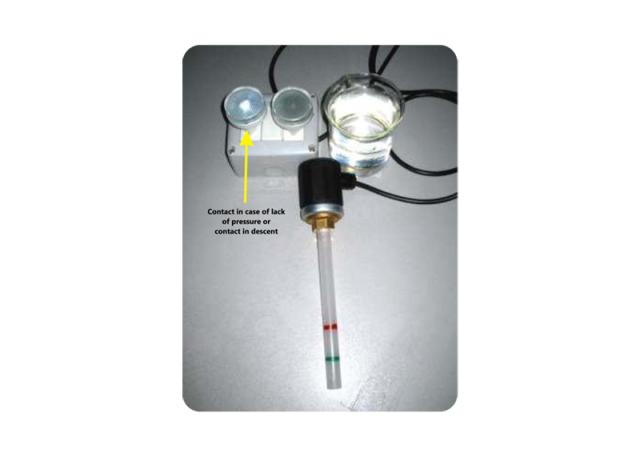
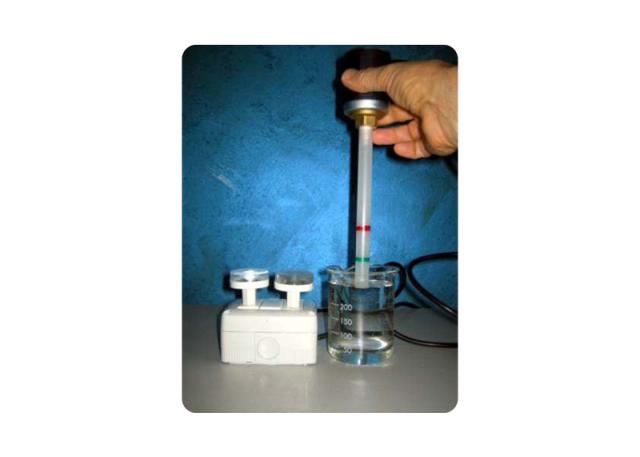
A pressure switch for water tank level uses the rising pressure of the water column to trip a contact at a set depth, giving simple pump start/stop or alarm control with no float in the water. The Beck pressure switch gives an SPDT changeover contact and suits overhead tanks, sumps and reservoirs where a continuous reading isn't needed.
1 Product · Pressure Switch
Selection guide
Pressure Switch for Water Tank Level Guide
How a pressure switch works as a level switch
Water pressure increases with depth, so a pressure switch mounted to sense the water column trips its contact once the level reaches the depth that produces the set pressure. As the level falls below that point, the switch resets. Because the switch senses pressure rather than a physical float, there's no float that can stick, tangle or foul with debris.
How to choose a pressure switch for level control
- Application: overhead tank pump control, sump pump start/stop, and low-level alarms on fire water and storage tanks are the typical uses.
- Contact type: the SPDT changeover contact wires directly to a pump starter or an alarm relay, without extra interposing relays.
- Versus a float switch: choose the pressure switch when floats risk snagging on tank fittings, debris or a narrow chamber; a float switch is simpler to set at multiple points if you need several trip levels.
- Versus a continuous transmitter: if you also want a display or a trend of the level, not just a pump trip, use a transmitter such as the hydrostatic or ultrasonic models instead of a switch.
The pressure switch gives one fixed trip point rather than a continuous reading. For continuous level monitoring on the BMS, see level sensors for building water tanks.
FAQ
Common questions
How does a pressure switch measure tank level?
It doesn't measure level directly. It senses the pressure of the water column, which increases with depth, and trips its contact once that pressure reaches the value set for the required level. As the water falls back below that depth, the switch resets and the contact returns to its normal state.
What contact does the pressure switch have?
An SPDT changeover contact, which gives one normally-open and one normally-closed connection from a single switch action. That's enough to start a pump on one side and drive an alarm or indicator on the other, from the same trip point.
Why use a pressure switch instead of a float switch for tank level?
A pressure switch has no float, so nothing can stick or tangle, which matters in tanks with debris, sludge or a narrow chamber where a float could snag. A float switch is simpler if you need several independent trip points at different depths in the same tank.
Can a pressure switch start and stop a transfer pump?
Yes. The SPDT contact wires directly into a pump starter circuit, so the switch can start the pump when the level falls to the low set point and stop it once the level recovers, or the reverse for a fill-and-empty sump application.
Need help?
Can't find what you need?
Our team helps you select the right pressure switch products for your application. Request a quote or discuss your requirements.
Expert product guidance
Tailored selection of pressure switch instruments
Custom solutions
Instruments customized for your specific industrial setup
Trusted global brands
Full warranty and official documentation support