Category
HVAC & BMS Sensors
Temperature, humidity, CO2, pressure, air quality and water sensors for building management systems.
HVAC and BMS sensors measure temperature, humidity, CO2, pressure, airflow and water quality so a building management system can run heating, cooling and ventilation efficiently. This page covers Produal transmitters, passive sensors, differential pressure switches, room and zone controllers, wireless mesh and a duct smoke detector.
73 Products · HVAC & BMS Sensors

2-wire Differential Pressure Transmitter DPT-2W
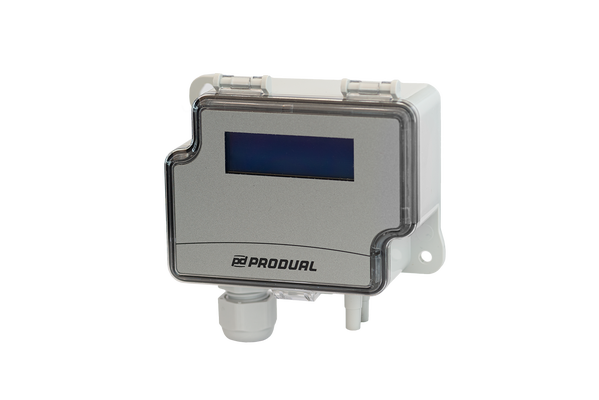
Air Flow And Velocity Transmitter
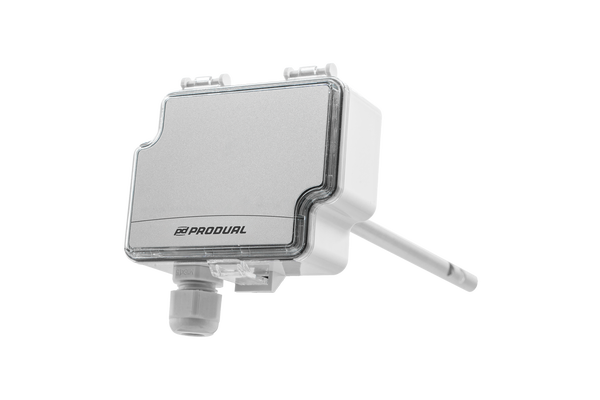
Air Velocity Transmitter

Airflow Transmitter DPT-Flow-MOD
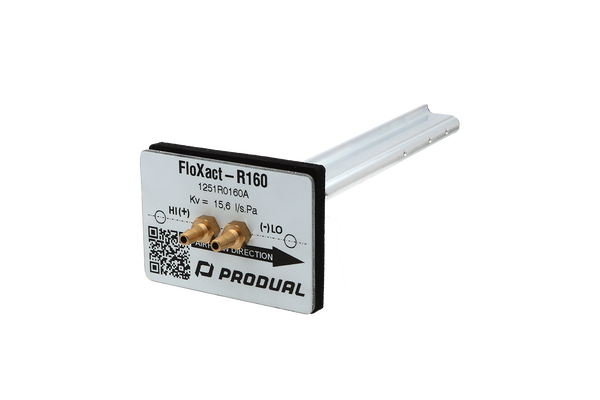
Airflow volume probe FloXact
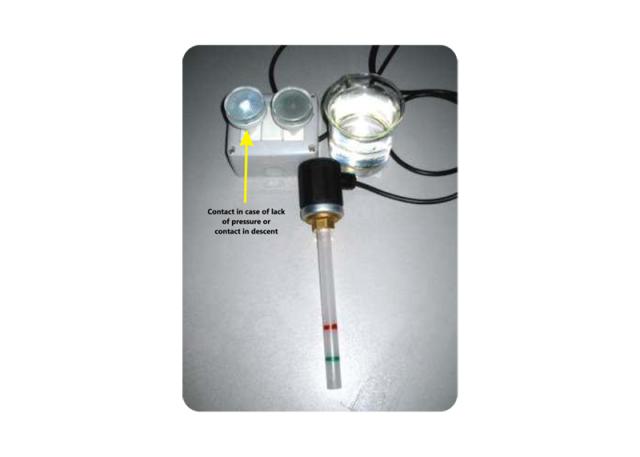
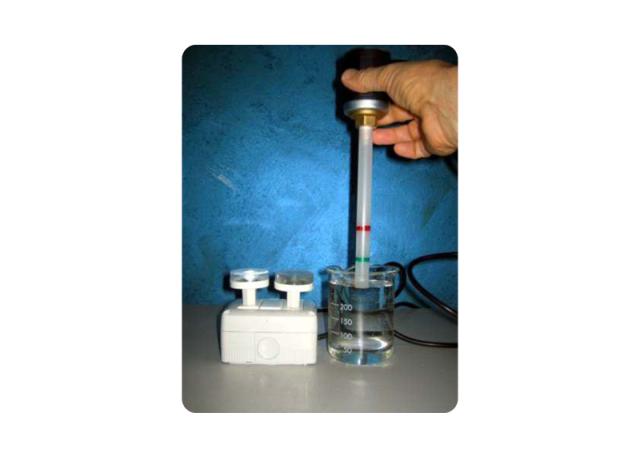
Beck Pressure Switch

CO2 Transmitter RT-CO2

CO2 Transmitter RTX-CO2
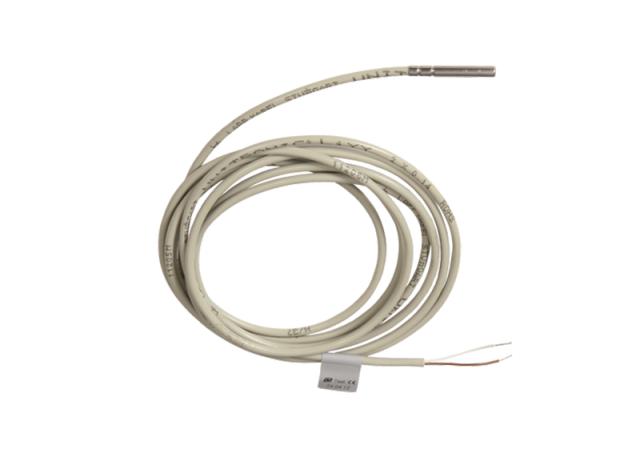
Cable Temperature Sensor - TEKY4
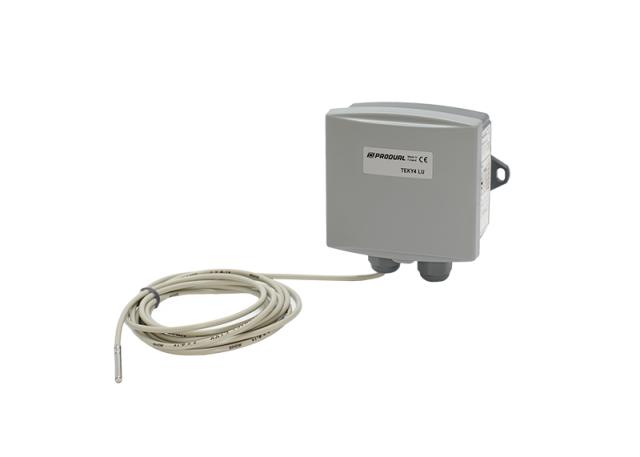
Cable Temperature Transmitter TEKY4 LL
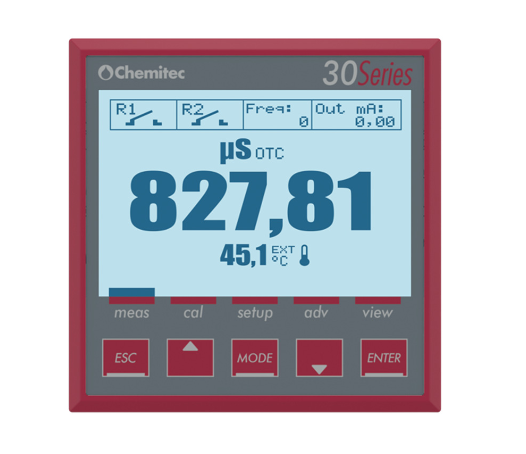
Conductivity Transmitter Series 30
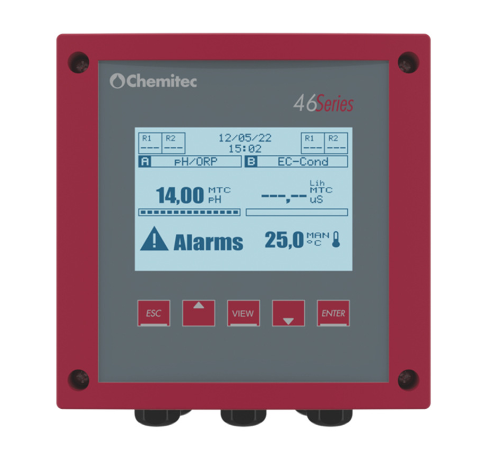
Conductivity Transmitter Series 46
Selection guide
HVAC & BMS Sensors Guide
Choosing the right HVAC and BMS sensor type
Start from what the BMS controller needs.
- Resistance input: a Pt1000 or NTC10 input wants a passive sensor.
- Analogue input or long cable run: a 4 to 20 mA or 0 to 10 V input wants a transmitter, covered under HVAC transmitters for temperature, humidity, CO2, air quality and airflow.
- Bus interface: Modbus RTU or BACnet integration points to a device with a bus interface, which many Produal transmitters and all room controllers support.
What's on this page
- Air and pressure: differential pressure switches for filter alarms and fan proving live on HVAC differential pressure switches.
- Room, duct, outdoor and water temperature: wired passive temperature sensors for short runs to a resistance input.
- Room and zone control: HVAC building controllers read those sensors and drive valves, dampers and fans.
- No new cabling: the Proxima mesh under HVAC wireless transmitters.
- Fire safety: the duct smoke detector shuts an AHU down on smoke.
Water side instruments
Cooling towers, pools and water tanks need their own sensor types.
- Level: tank and sump level goes under level sensors.
- Water chemistry: dosing, conductivity, pH and other water chemistry checks go under water quality sensors.
- Why they're here: both share this page's grid because they're supplied for the same buildings, but they're chosen and sized differently from temperature and pressure sensors.
Choosing between analogue, Modbus and BACnet
- Analogue (0 to 10 V or 4 to 20 mA): the simplest to wire and works with almost any BMS controller, at the cost of one input per point.
- Modbus RTU: carries many points on one RS-485 cable, cutting wiring on larger installations, and is the most common bus across this range.
- BACnet: available on selected transmitters, room controllers and the duct smoke detector, and suits projects where the BMS platform specifies it directly.
Tell us the controller's input type, the protocol and the mounting location, and we'll confirm the right model.
FAQ
Common questions
What sensors does a BMS typically need?
A basic building management system needs room, duct and outdor temperature, differential pressure across filters and fans, and often CO2 or humidity. Larger systems add wireless points for retrofits and a duct smoke detector for fire interlocks. We supply all of these from Produal, wired or wireless, with analogue, Modbus RTU or BACnet outputs.
Passive sensor or transmitter for a BMS input?
Use a passive Pt1000 or NTC10 sensor when the controller has a matching resistance input and the cable run is short, typically under 30 to 50 metres. Use a transmitter, with a 4 to 20 mA or 0 to 10 V output, for longer cables, noisy environments, or a controller that only accepts analogue or bus signals.
Which communication protocols do your HVAC sensors support?
Most Produal devices offer a 0 to 10 V or 4 to 20 mA analogue output. Many also support Modbus RTU over RS-485, and selected transmitters, room controllers and the duct smoke detector add BACnet MS/TP or BACnet IP. Check each product page for the exact protocol options before ordering.
Can I mix wired and wireless HVAC sensors on one BMS?
Yes. The Proxima wireless mesh sends its readings to a WBU base station, which presents them to the BMS over Modbus or analogue outputs, exactly like a wired point. This lets you add sensors to finished spaces without opening ceilings or pulling new cable.
What triggers an AHU shutdown on smoke?
A duct smoke detector samples air from the duct and, on detecting smoke optically, operates an alarm relay that stops the fan or closes fire dampers. It's a standard interlock on AHUs serving multiple rooms, separate from point smoke detectors in the rooms themselves.
Do you supply CO2 and humidity sensors for demand-controlled ventilation?
Yes. Produal room and duct CO2 transmitters and humidity transmitters let the BMS increase fresh air only when a space is occupied, cutting fan and heating energy. They sit alongside the temperature and pressure sensors on this page under the transmitters range.
Need help?
Can't find what you need?
Our team helps you select the right hvac & bms sensors products for your application. Request a quote or discuss your requirements.
Expert product guidance
Tailored selection of hvac & bms sensors instruments
Custom solutions
Instruments customized for your specific industrial setup
Trusted global brands
Full warranty and official documentation support