Category
Water Quality Sensors for Buildings
pH, chlorine, conductivity and turbidity monitoring for cooling towers, pools and building water.
Water quality sensors for buildings measure pH, chlorine, conductivity and turbidity so cooling towers, pools and drinking water tanks stay safe, efficient and free of scale. Chemitec sensors and Series 30/46 analysers cover each parameter, with analogue and alarm outputs for the BMS. For process and industrial water, see liquid and gas analysis.
Browse by type
Water Quality Sensors Subcategories
9 Products · Water Quality Sensors
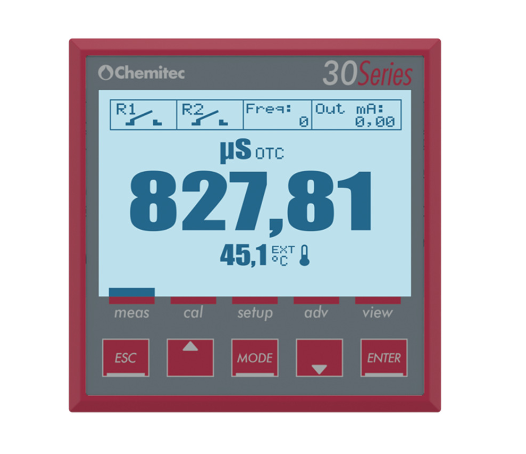
Conductivity Transmitter Series 30
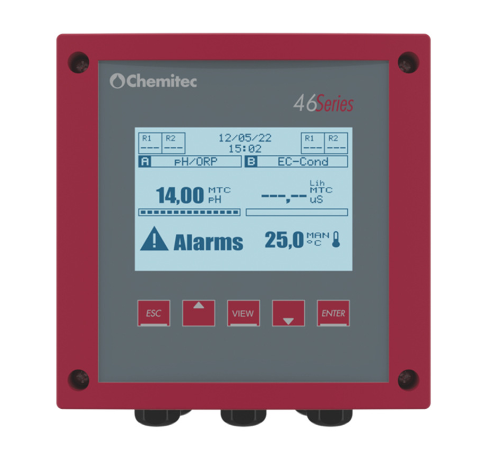
Conductivity Transmitter Series 46
Free Chlorine/ Total Chlorine/ Chlorine Dioxide Transmitter
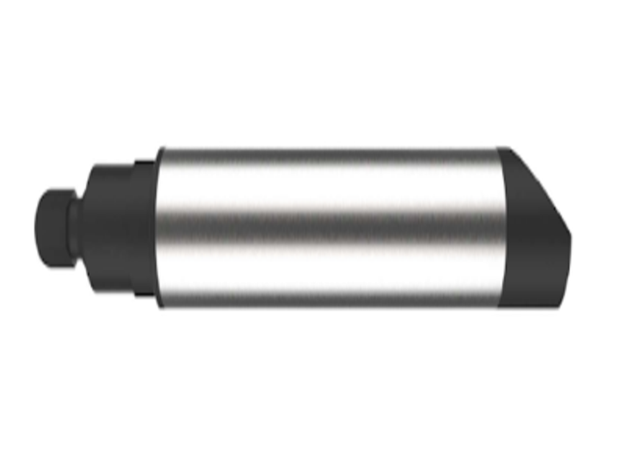
High Turbidity Sensor S461-TN (upto 4000 NTU)
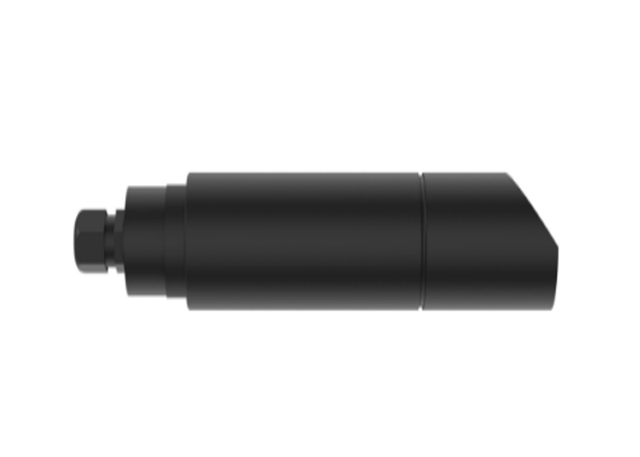
Low Turbidity Sensor S461-LT (upto 100 NTU)
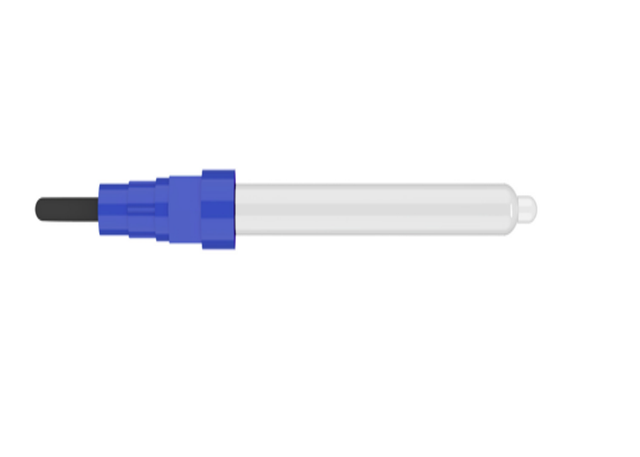
PH ELECTRODE S401 VG
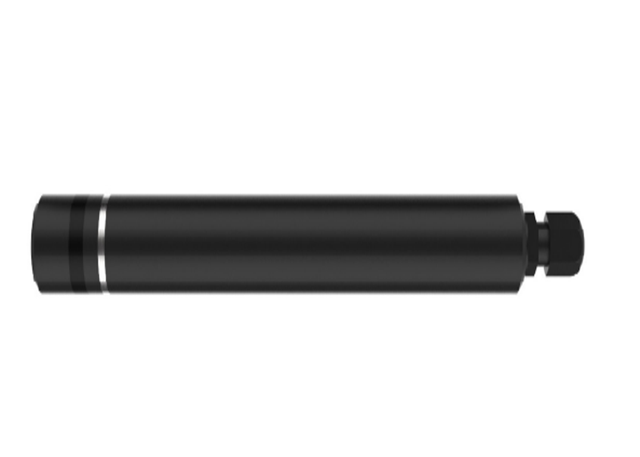
S494N Free Chlorine
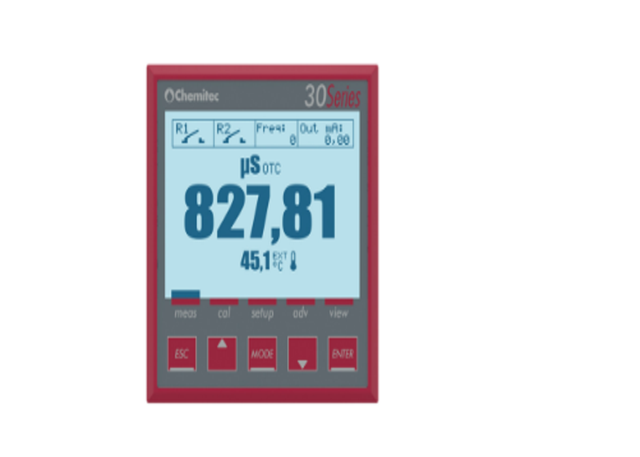
SINGLE CHANNEL ANALYZERS SERIES 30
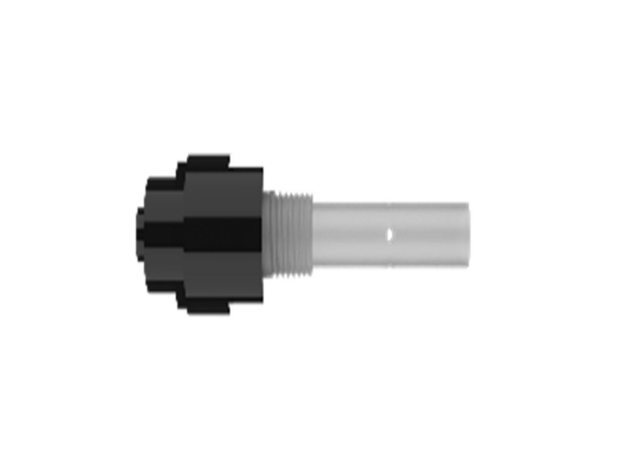
THERMO COMPENSATED CONDUCTIVITY CELL - S411 U
Selection guide
Water Quality Sensors for Buildings Guide
Which water quality sensors buildings need, and where
- Cooling towers and boilers: conductivity for blowdown control, plus pH, because both scale and corrosion depend on dissolved solids and acidity.
- Swimming pools and spas: chlorine and pH together, since pH governs how well chlorine disinfects.
- Drinking water tanks: chlorine confirms disinfection, and turbidity warns of sediment or contamination building up in storage.
- Filtration and RO: turbidity checks the water leaving the filter is clear, and conductivity confirms the treated water quality against the raw feed.
How to choose water quality sensors for a building
- Single or dual parameter: the Series 30 analyser handles one parameter with a graphic display and bar graph; the Series 46 handles two, for example chlorine plus pH, from one unit, which saves panel space where a plant room already has several controllers.
- Sensor type: each parameter uses its own Chemitec sensor: the S411 conductivity cell, S494N chlorine probe, S461 turbidity sensors and S401 pH electrode, each suited to its own installation point in a pipe, tank or bypass loop.
- Dosing control: Series 30 and Series 46 both offer outputs to drive a dosing pump, so the analyser doesn't just display the value but also corrects it automatically, reducing manual testing and dosing rounds.
- BMS integration: the Chemitec analysers have analogue and alarm outputs, so readings and alarms reach the BMS alongside level and temperature points from the same plant room.
- Maintenance access: sensors that sit in flow cells, such as the chlorine and turbidity probes, need periodic cleaning and calibration checks, so plan for accessible mounting rather than burying them behind pipework.
Most cooling tower and pool installations need at least two parameters working together, for example conductivity with pH on cooling towers, or chlorine with pH on pools, rather than a single reading in isolation. For process and industrial water quality outside buildings, see liquid and gas analysis.
FAQ
Common questions
Which parameters should a swimming pool monitor?
Free chlorine and pH, measured together, because pH changes how effectively the chlorine disinfects the water. A Chemitec Series 46 analyser can display and control both from one unit, dosing acid, alkali or chlorine as needed to keep the pool within its target range.
How is cooling tower water quality controlled?
Mainly by conductivity: as water evaporates, dissolved salts concentrate, and a controller compares the reading with a setpoint, opening the blowdown valve to bleed off concentrated water when it's exceeded. pH is usually monitored alongside it to manage scale and corrosion risk.
Can water quality readings go to the BMS?
Yes. The Chemitec Series 30 and Series 46 analysers have analogue and alarm outputs, so pH, chlorine, conductivity or turbidity readings and any out-of-range alarms can be wired into the same BMS that monitors tank levels and HVAC points.
What turbidity level indicates a problem?
Drinking water standards typically set a low limit, around 1 NTU, so a rising reading above that suggests filtration or storage problems worth investigating. Swimming pools tolerate a higher, clearer-to-the-eye level, but a rising trend still signals a filter that needs attention.
Do I need a separate analyser for each water quality parameter?
Not always. A Series 30 analyser handles one parameter, but a Series 46 analyser handles two, such as chlorine and pH, or conductivity and pH, from a single unit. Tell us which parameters you need to monitor and we'll confirm whether one analyser covers them.
What is blowdown control on a cooling tower?
As cooling tower water evaporates, the dissolved solids left behind become more concentrated, raising conductivity. Blowdown control uses a conductivity sensor and controller to open a valve and drain some concentrated water when the setpoint is exceeded, letting fresh make-up water dilute it back down and limiting scale and corrosion.
Need help?
Can't find what you need?
Our team helps you select the right water quality sensors products for your application. Request a quote or discuss your requirements.
Expert product guidance
Tailored selection of water quality sensors instruments
Custom solutions
Instruments customized for your specific industrial setup
Trusted global brands
Full warranty and official documentation support