Category
Pressure Transmitters
Smart, flush diaphragm and low-pressure transmitters for process and utility plants.
A pressure transmitter converts process pressure into a standard signal for your PLC, DCS or controller, with the right choice depending on range, medium, accuracy and how it connects to the process. Trumen's smart, ceramic, piezoresistive and flush diaphragm ranges cover 100 mbar to 600 bar, and the Beck 981 covers -100 to 600 mbar for low-pressure duty.
6 Products · Pressure Transmitters
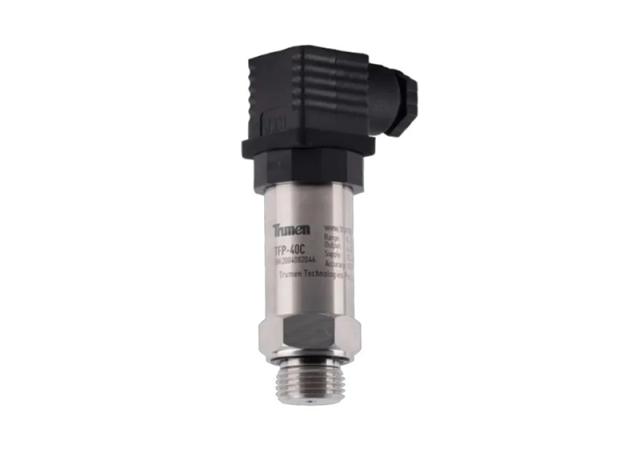
Ceramic Pressure Transmitter - TFP40C
Ceramic sensor for aggressive media, 1.6 to 250 bar, ±0.5% FSO
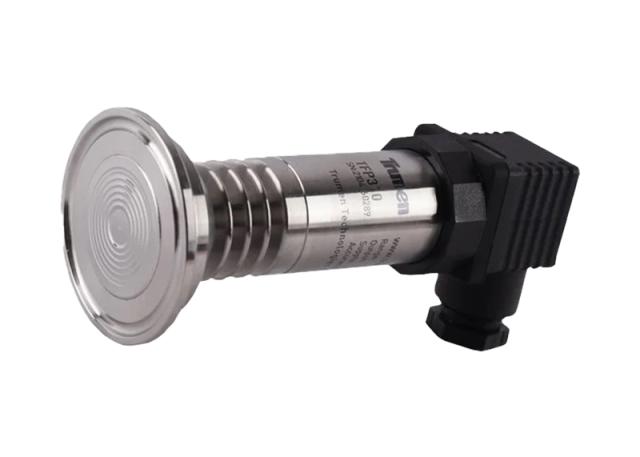
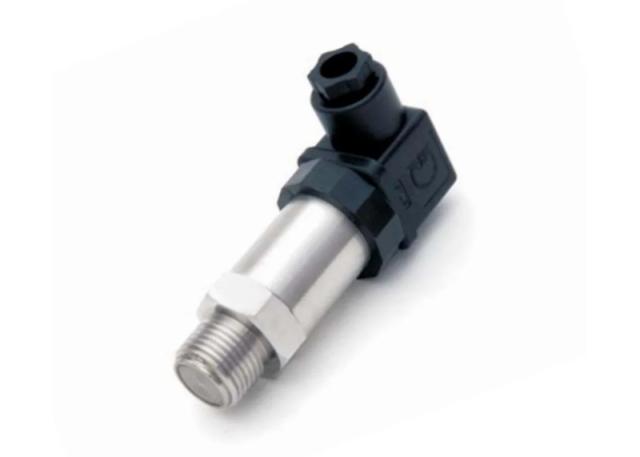
Flush Diaphragm Pressure Transmitter - TFP310
Flush diaphragm, 1 to 100 bar, with 1.5" or 2" clamp connection for food, pharmaceutical and chemical liquids
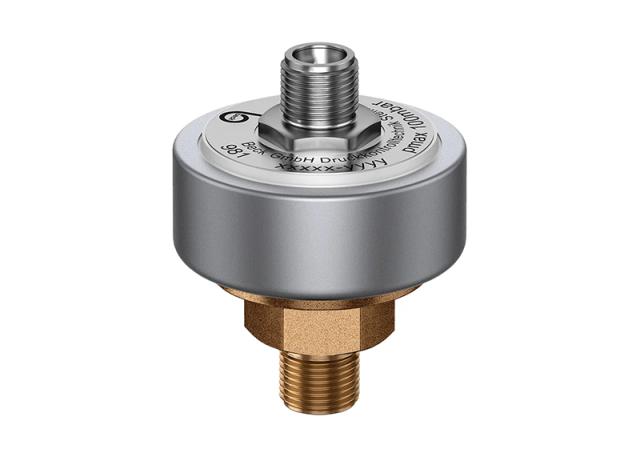
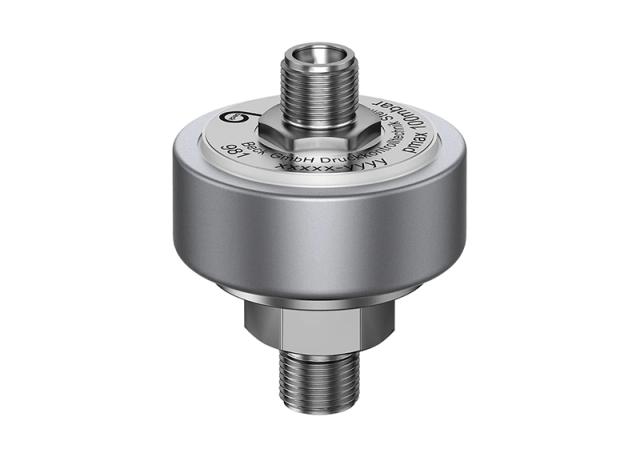
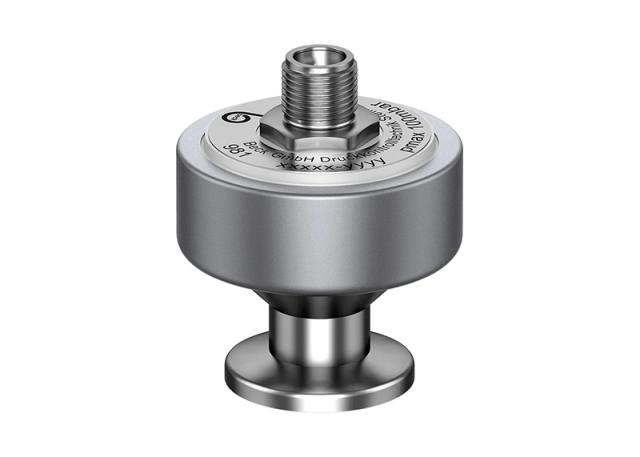
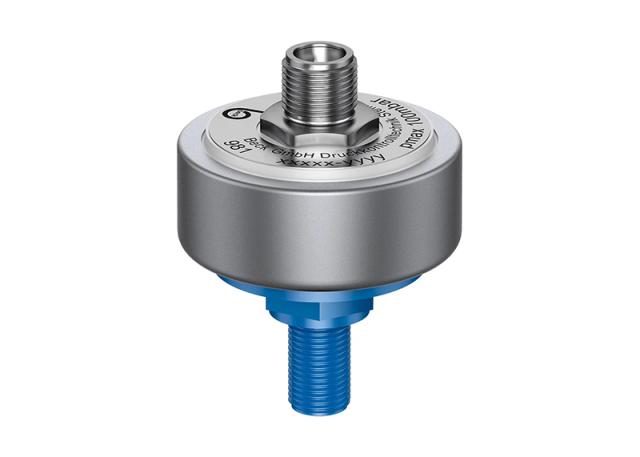
Low Pressure Transmitter 981
from -100 to 600 mbar
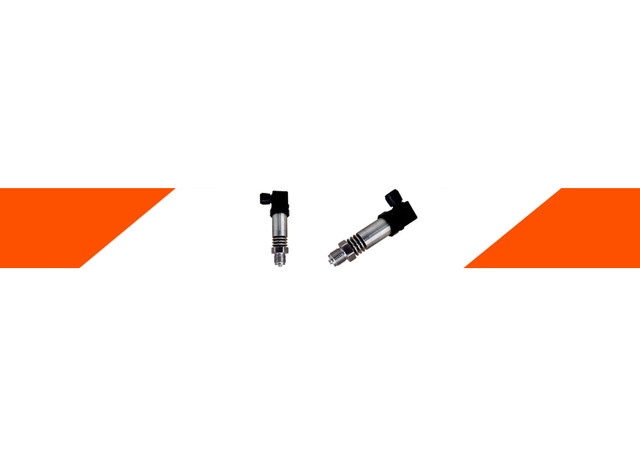
Piezoresistive Pressure Transmitter- TFP40T
High-temperature transmitter for media up to 150 °C (220 °C optional), 100 mbar to 600 bar
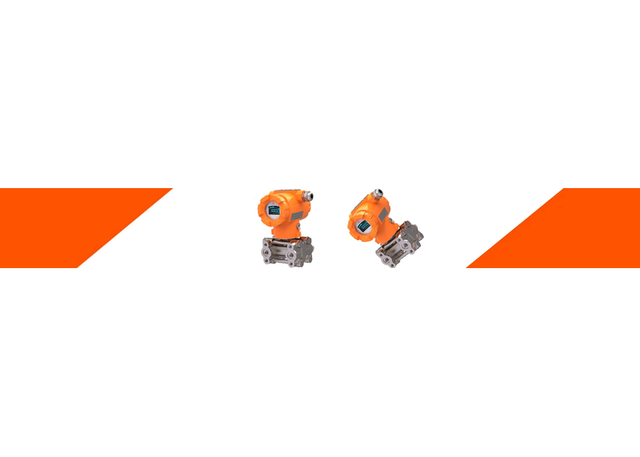
Smart Differential Pressure Transmitter
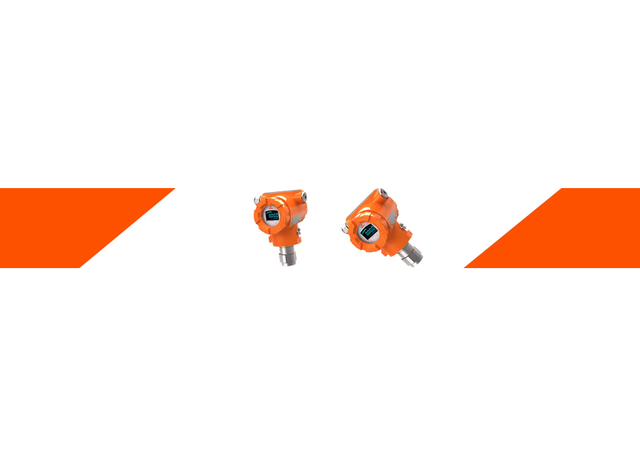
Smart Pressure Transmitter
Selection guide
Pressure Transmitters Guide
How a pressure transmitter works
A sensing element, usually a diaphragm bonded to a strain gauge, ceramic or piezoresistive element, deflects under process pressure. That deflection changes an electrical property proportional to pressure, which electronics convert into a 4 to 20 mA, voltage or digital output. The sensor and diaphragm material set the transmitter's range, accuracy and resistance to the process medium.
How to choose a pressure transmitter
- Range and accuracy: the Trumen smart pressure transmitter (TFPS-70) gives ±0.075% FS (±0.05% on the Platinum version) with 10:1 turndown, so one model covers several ranges while keeping its accuracy.
- Aggressive media: the ceramic TFP-40C handles aggressive media from 1.6 to 250 bar at ±0.5% FSO.
- High temperature: the piezoresistive TFP-40T suits media up to 150 °C, or 220 °C as an option, from 100 mbar to 600 bar, with a 316L stainless steel diaphragm.
- Sticky or viscous media: the flush diaphragm TFP-310 has no cavity to block, for 1 to 100 bar with a 1.5 or 2 inch clamp connection.
- Very low pressure: the Beck 981 covers 0 to 25 mbar up to 0 to 600 mbar, plus ±50 and ±100 mbar ranges, IP65.
- Output: 4 to 20 mA, voltage or, on the TFP-40T, RS485 Modbus.
For pressure differences rather than a single process value, see differential pressure transmitters.
FAQ
Common questions
When do I need a flush diaphragm pressure transmitter?
When the medium is viscous, sticky, contains solids, or the process connection must be cleaned easily, for example in food, pharmaceutical or chemical lines. The TFP-310's flush diaphragm has no cavity for the medium to collect or block, unlike a standard threaded port.
What does a 10:1 turndown mean on a pressure transmitter?
It means the transmitter's range can be set anywhere down to one tenth of the sensor's maximum span, while keeping its rated accuracy. The Trumen smart transmitter offers 10:1 as standard, with 100:1 as an option, so one unit covers several process ranges.
Which transmitter suits high-temperature media such as steam?
The Trumen TFP-40T, a piezoresistive transmitter with a 316L stainless steel diaphragm, rated for media up to 150 °C as standard or 220 °C as an option, across 100 mbar to 600 bar, with an optional flameproof enclosure for hazardous areas.
Which pressure transmitter suits very low pressures?
The Beck 981, with ranges from 0 to 25 mbar up to 0 to 600 mbar plus ±50 and ±100 mbar options. For even lower, pascal-range draft measurement on furnaces and boilers, use a dedicated draft pressure transmitter instead.
What's the difference between the ceramic and piezoresistive Trumen transmitters?
The ceramic TFP-40C is built for aggressive media, covering 1.6 to 250 bar at ±0.5% FSO. The piezoresistive TFP-40T is built for high temperature, covering 100 mbar to 600 bar with media up to 150 °C or 220 °C optional. Choose by whichever limit, chemical or thermal, applies to your process.
Need help?
Can't find what you need?
Our team helps you select the right pressure transmitters products for your application. Request a quote or discuss your requirements.
Expert product guidance
Tailored selection of pressure transmitters instruments
Custom solutions
Instruments customized for your specific industrial setup
Trusted global brands
Full warranty and official documentation support