Category
PID Temperature Controllers
Panel and DIN-rail PID controllers for temperature and process loops from Shinko and Pixsys.
A PID temperature controller reads a sensor, compares it with a set point, and drives a heater, valve or motor to close the gap without overshooting. Our range covers the Pixsys ATR124 universal controller and Shinko's ACS2, ACS-13A, BCx2, DCL-33A and ON/OFF servo models, in panel-mount (48 × 48 mm) and DIN-rail formats.
6 Products · Process PID Controller
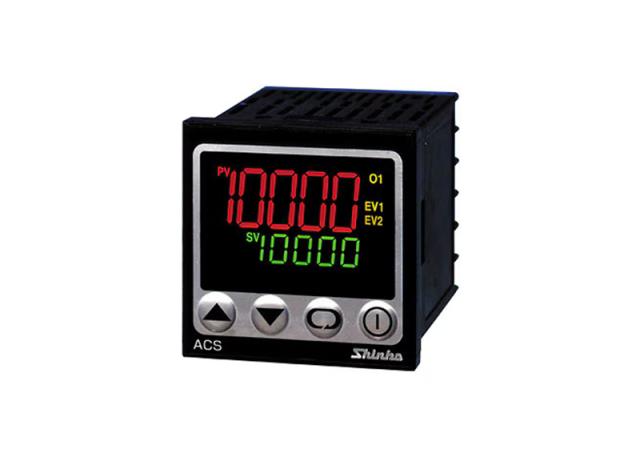
ACS-13A | Digital Indicating Controller
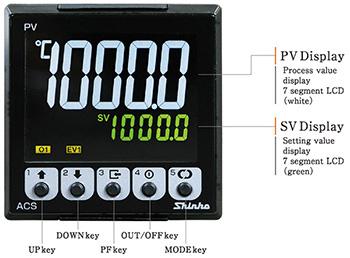
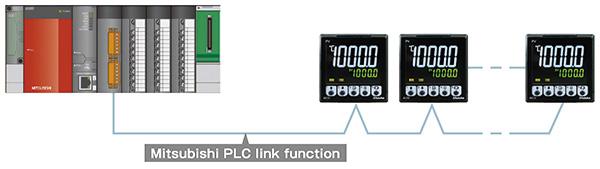
ACS2
48mm square PID controller, dual PV/SV LCD, predictive maintenance, 2 DOF PID
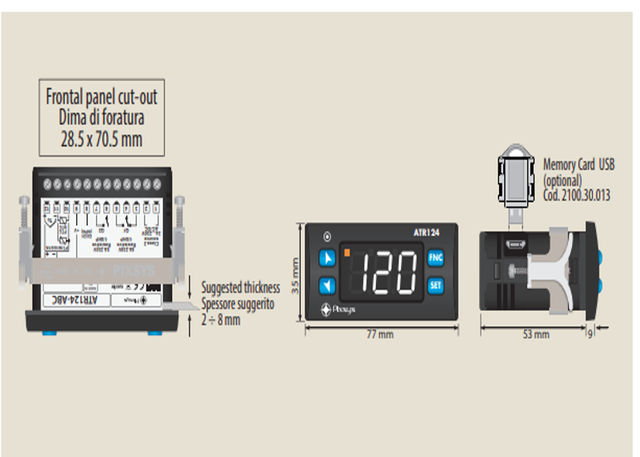
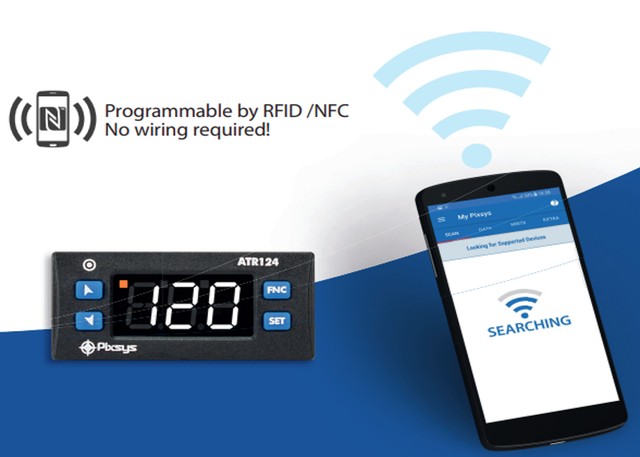
ATR124
Universal PID controller, TC/RTD/mA/V input, dynamic auto-tune, optional RS485
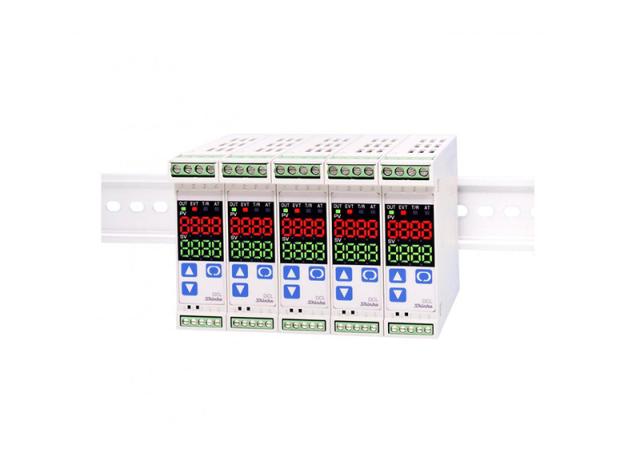
DIN Rail Mounted Indicating Controllers | DCL-33A Series
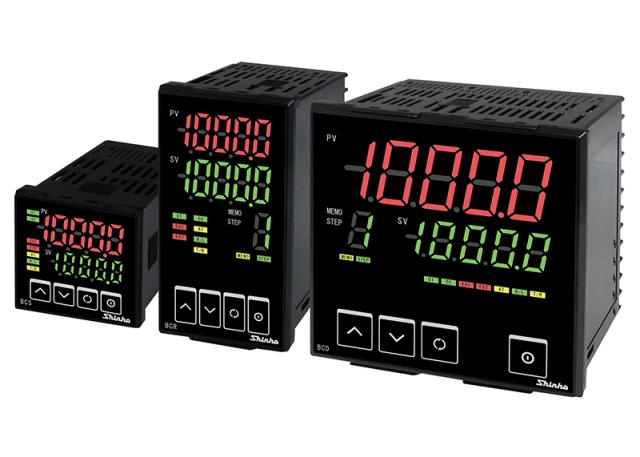
Digital Indicating Controllers (BCx2 Series)
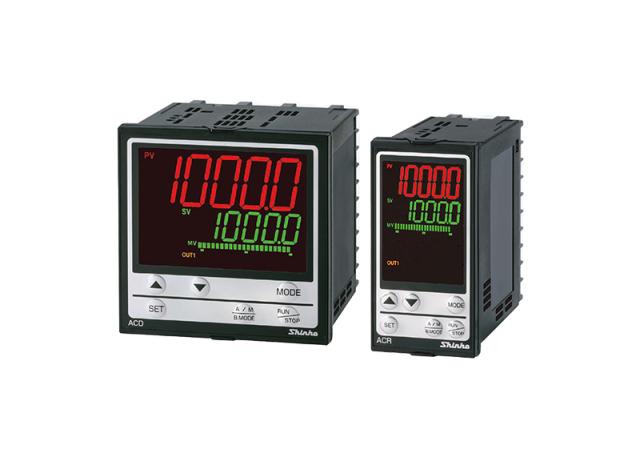
ON/OFF SERVO Digital Indicating Controllers, ACD-15A, ACR-15A
Selection guide
PID Temperature Controllers Guide
How a PID temperature controller works
The controller compares the measured process value with the set point and calculates an output from three terms: the current error (proportional), how long the error has persisted (integral) and how fast it's changing (derivative). Auto-tuning tests the process, usually with a step change, and calculates PID settings automatically, so the loop settles at the set point without the manual trial and error tuning would otherwise take.
How to choose a PID controller
- Input: the Pixsys ATR124 accepts thermocouple, RTD, mA, V and potentiometer inputs on one universal terminal. Shinko models are ordered for a specific input type per model.
- Panel size: the Shinko ACS-13A fits a 48 × 48 mm cutout with only 56 mm behind the panel, useful where panel depth is tight. The BCx2 series uses larger 48 × 96 mm or 96 × 48 mm formats with 5-digit displays.
- Communication: the Shinko DCL-33A offers Modbus as an option; the Pixsys ATR124 has an optional isolated RS485.
- Response speed: the Shinko ACS2 samples as fast as every 10 ms with 2 DOF PID, which suits fast-changing processes such as packaging and moulding machinery.
- Motorised valves: for ON/OFF or proportioning control of a motorised valve, use the Shinko ACD-15A or ACR-15A servo controllers, with or without a feedback potentiometer.
- Protection: most Shinko panel models are IP66 (drip-proof) at the front, which suits washdown areas around food and process equipment.
For automatic ramp and soak programs rather than a single fixed set point, see profile controllers. For several loops in one compact unit, see the multi-loop PID controller.
FAQ
Common questions
What is auto-tuning on a PID controller?
The controller runs a test cycle on the process, typically a step in the output, and calculates its own proportional, integral and derivative settings from the response. That replaces manual trial-and-error tuning, and several of our models, including the Shinko BCx2, run auto-tune automatically the first time they start up.
Which PID controller has the shallowest panel depth?
The Shinko ACS-13A, which fits behind the panel in only 56 mm including its gasket, in a compact 48 by 48 mm cutout. That suits shallow enclosures and control panels where deeper controllers, such as the 60 mm deep BCx2 series, won't clear the back of the door.
Do your PID controllers support Modbus communication?
Some do. The Shinko DCL-33A offers Modbus as an option on its DIN-rail body, and the Pixsys ATR124 has an optional isolated RS485 port. Check the specific model before specifying, because not every controller in the range carries a communication option.
What is a heater burnout alarm?
It monitors the current a heater draws and raises an alarm if that current drops, which usually means the heating element has failed even though the controller is still switching the output correctly. The Shinko DCL-33A offers it as an option, useful on unattended ovens or furnaces where a silent heater failure would otherwise go unnoticed.
Which controller suits a motorised valve instead of a heater?
The Shinko ACD-15A or ACR-15A ON/OFF servo controllers, built for driving motorised valves rather than relay or SSR heater outputs. The ACR-15A works with a feedback potentiometer on the valve for position control; the ACD-15A runs without one. Tell us your valve's actuator type and we'll confirm the match.
Need help?
Can't find what you need?
Our team helps you select the right process pid controller products for your application. Request a quote or discuss your requirements.
Expert product guidance
Tailored selection of process pid controller instruments
Custom solutions
Instruments customized for your specific industrial setup
Trusted global brands
Full warranty and official documentation support