Category
Conductivity Transmitters & Cells
Conductivity transmitters and cells for process water, effluent and chemical dosing, from Chemitec and Seli.
A conductivity transmitter measures how much dissolved salt, acid or alkali is in water, using an electrode or inductive cell paired with a display and control output, for water treatment, rinse water checks and chemical dosing. Chemitec S411 cells (0 to 50,000 µS/cm) and Series 30/46 transmitters, plus Seli SLK and SLI-04 sensors, cover process and effluent duties.
8 Products · Conductivity Analyser
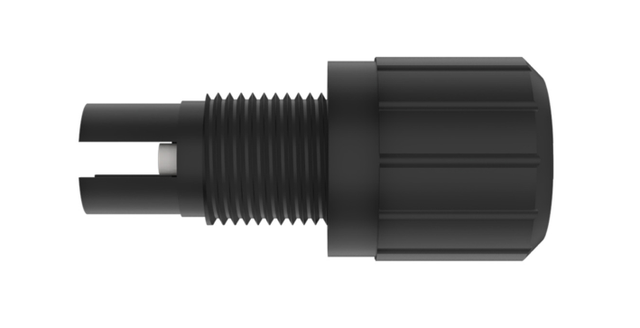
Conductivity Cell S411
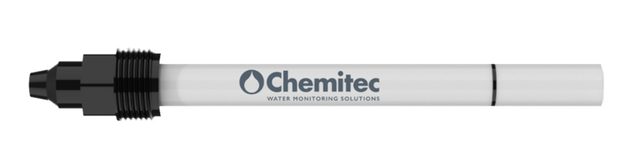
Conductivity Cell S411 D12
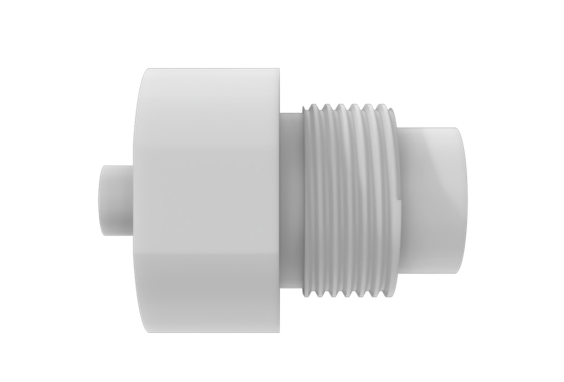
Conductivity Cell S411 TEF C
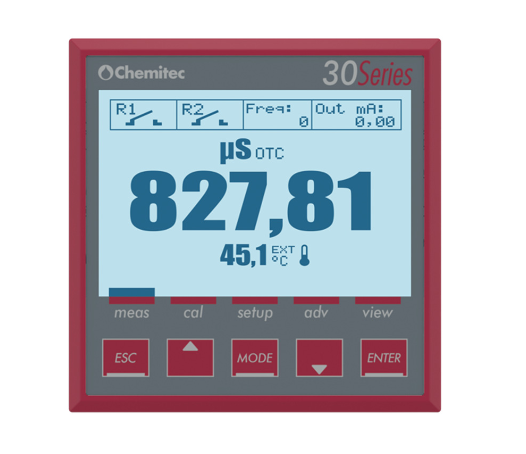
Conductivity Transmitter Series 30
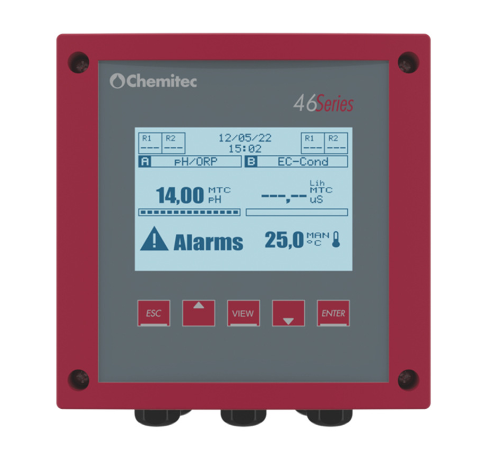
Conductivity Transmitter Series 46

SLI-04
Inductive conductivity analyser, 4 stored concentration curves, hygienic design

SLK
Conductivity sensor, 0-15,000 µS/cm range, PEEK insulator, IP68
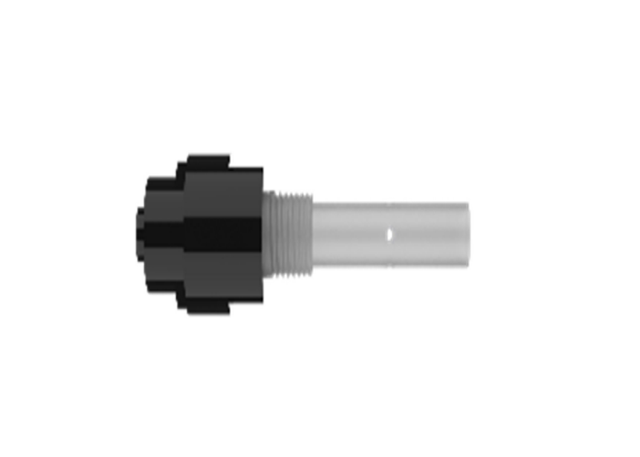
THERMO COMPENSATED CONDUCTIVITY CELL - S411 U
Selection guide
Conductivity Transmitters & Cells Guide
How a conductivity transmitter works
Dissolved salts, acids and alkalis carry an electrical charge, so the more of them in the water, the better it conducts. A conductivity cell applies a small AC voltage between two electrodes, or induces a current through a toroidal coil, and measures the resulting current. The transmitter converts that reading into µS/cm, scales it by the cell constant, and compensates for temperature, since conductivity rises with it, before showing the value and driving an alarm or dosing output.
How to choose a conductivity transmitter
- Cell constant and range: the S411 has cell constant K=1 for 0 to 50,000 µS/cm general water duty; the S411 D12 uses platinum electrodes and a built-in Pt100 for higher ranges up to 100 or 200 mS.
- Body material: glass-fibre-reinforced polypropylene (S411) for low maintenance in pipes and tanks, PTFE with stainless steel electrodes (S411 TEF C, 1" BSP thread) for aggressive chemicals.
- Temperature: the S411 U is temperature-compensated for up to 120 °C at 2 bar, or 6 bar at room temperature; standard cells suit ambient process water.
- Electrode fouling: if the liquid scales or coats electrodes, an inductive sensor such as the Seli SLI-04, with 4 stored calibration curves, avoids direct contact with the medium.
- Channels: a Series 30 controller handles one parameter; a Series 46 adds a second, such as pH/ORP or turbidity, on the same display.
For pH and ORP measured alongside conductivity, see pH & ORP Electrodes.
FAQ
Common questions
What is a conductivity transmitter used for?
It measures how much dissolved salt, acid or alkali is in water, reported in µS/cm or mS/cm, and shows or logs that value with alarms or a dosing output. Plants use it to control water treatment, check rinse water purity, dose chemicals and monitor effluent discharge.
Which conductivity cell should I choose?
It depends on range and liquid. The S411 suits general water up to 50,000 µS/cm, the S411 TEF C's PTFE body resists aggressive chemicals, and the S411 D12 covers higher ranges up to 100 or 200 mS with a built-in Pt100. Send us your range, temperature and liquid and we'll recommend one.
What is the cell constant K on a conductivity sensor?
It sets how the raw electrode reading is scaled to a conductivity value, and therefore which range the cell measures well. A low K, such as K=1 on the S411, suits general water; a higher K suits salty or concentrated solutions where the raw signal would otherwise be too strong.
Can one controller measure conductivity and pH together?
Yes. The Chemitec Series 46 handles one or two parameters on the same display, including conductivity paired with pH/ORP, dissolved oxygen, turbidity or chlorine, which suits a combined water-quality monitoring point.
Why choose an inductive conductivity sensor over an electrode cell?
An inductive sensor, such as the Seli SLI-04, measures through a coil rather than exposed electrodes, so it resists fouling and scaling in dirty or oily liquids. It stores 4 calibration curves, useful where the process runs several different products through the same line.
How does temperature affect a conductivity reading?
Conductivity rises with temperature, so an uncompensated reading drifts as the process warms or cools. The S411 U cell is temperature-compensated for use up to 120 °C, so the transmitter corrects the reading back to a reference temperature automatically.
Need help?
Can't find what you need?
Our team helps you select the right conductivity analyser products for your application. Request a quote or discuss your requirements.
Expert product guidance
Tailored selection of conductivity analyser instruments
Custom solutions
Instruments customized for your specific industrial setup
Trusted global brands
Full warranty and official documentation support