Category
CO2 Sensors for Demand-Controlled Ventilation
Use CO2 sensors to run ventilation on demand, saving energy while keeping indoor air fresh.
Demand-controlled ventilation uses CO2 sensors to match fresh air supply to how many people are actually in a room, instead of ventilating at a fixed rate all day. Less air to heat, cool and move means lower energy use, with better air quality when the space is occupied, using room and duct sensors from Produal.
6 Products · CO2 Sensors
Selection guide
CO2 Sensors for Demand-Controlled Ventilation Guide
How demand-controlled ventilation works
In many buildings, ventilation runs at a fixed rate whether a room is full or empty. Demand-controlled ventilation (DCV) changes that: a CO2 sensor tells the BMS to increase fresh air when CO2 rises with occupancy, and cut it back when the space empties. Because ventilation load is one of the biggest energy costs in a heated or cooled building, matching it to actual occupancy rather than a worst-case schedule can cut running costs noticeably over a year.
Choosing sensors for DCV
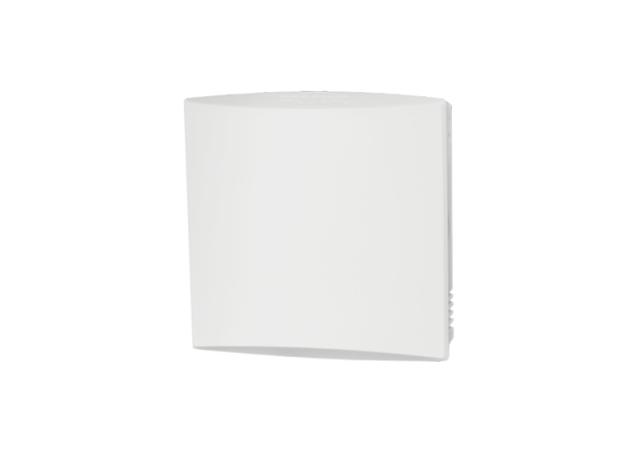
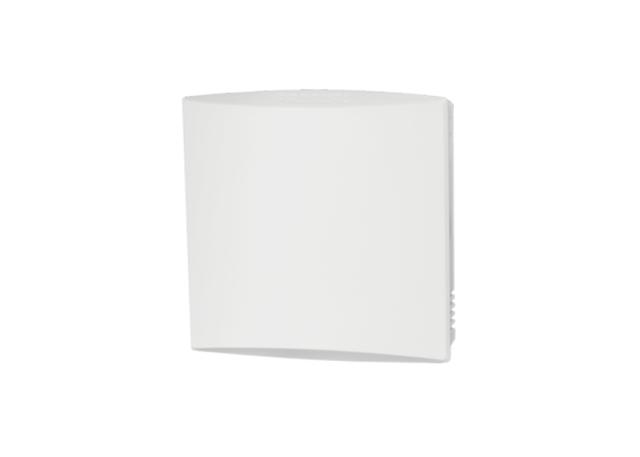
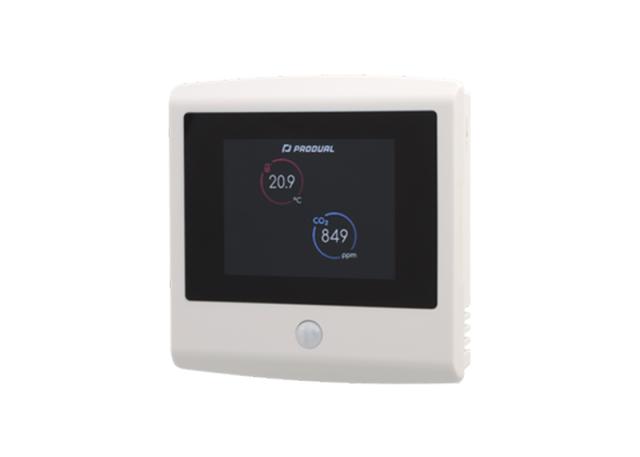
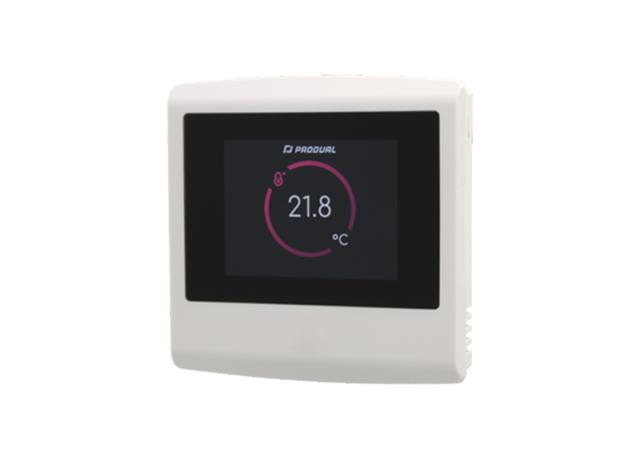
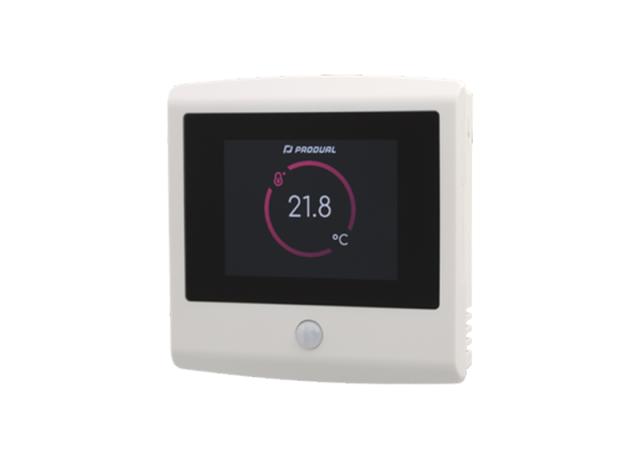
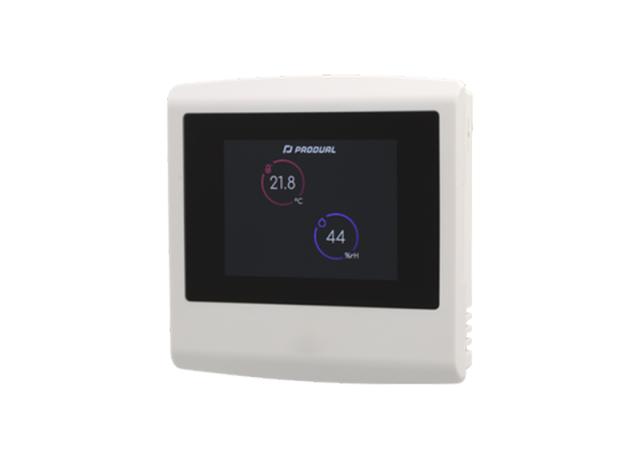
- Rooms with changing occupancy: meeting rooms, classrooms and auditoriums suit a room sensor such as the RT-CO2 or RTX-CO2 in each space, so ventilation responds to that room alone.
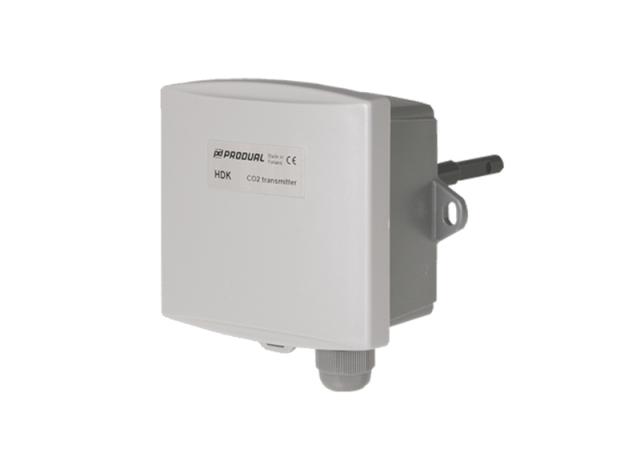
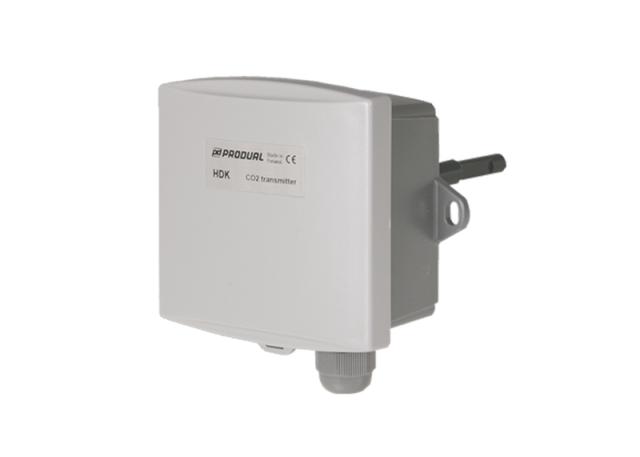
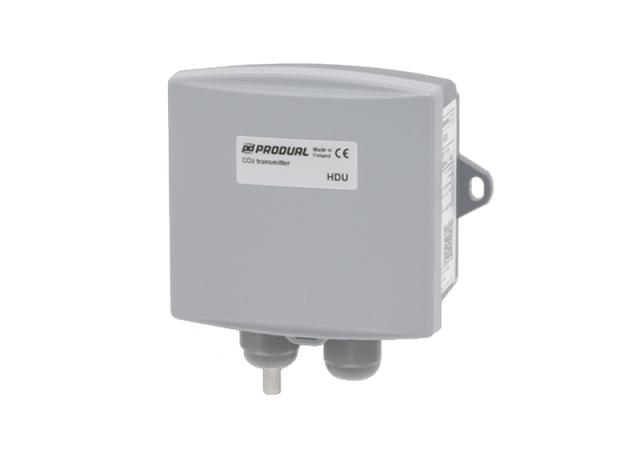
- Open-plan areas served by one AHU: a duct sensor such as the HDK in the return air gives one average reading for the zone rather than per room.
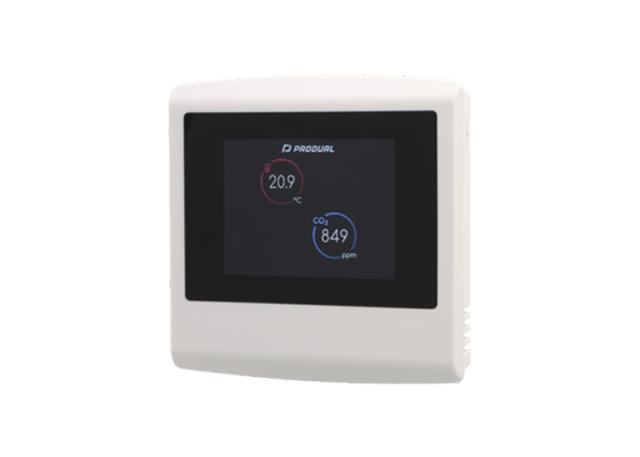
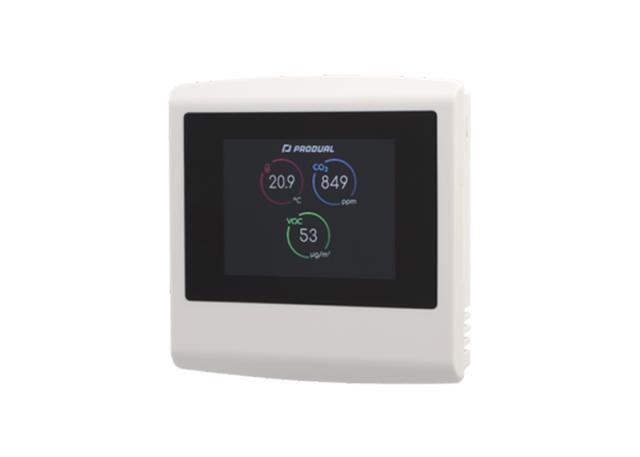
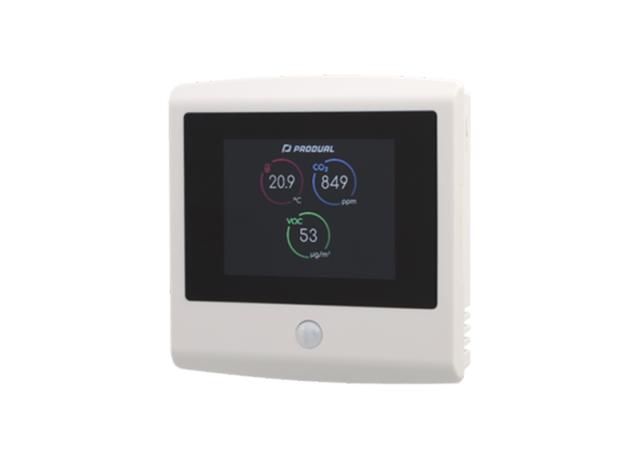
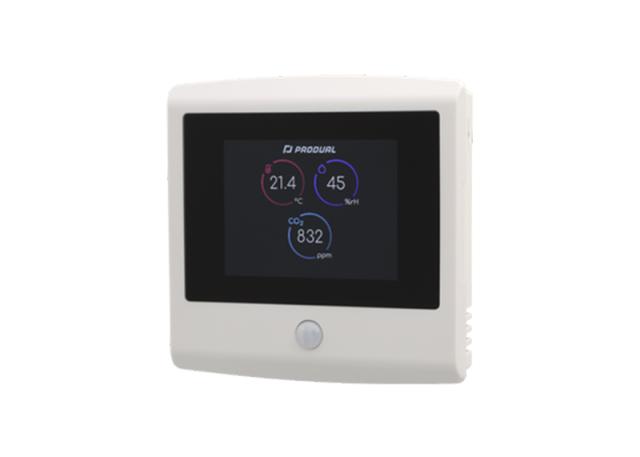
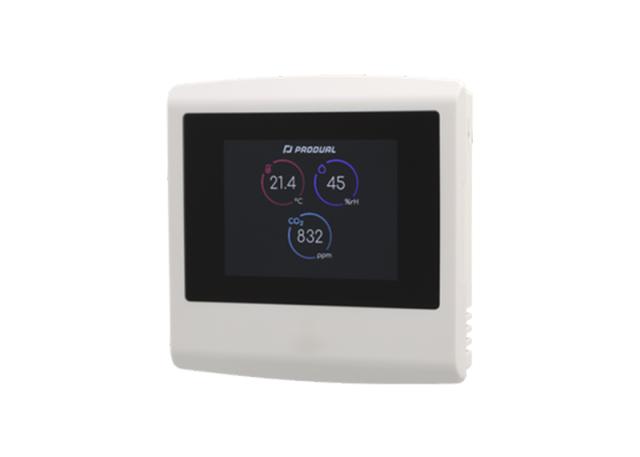
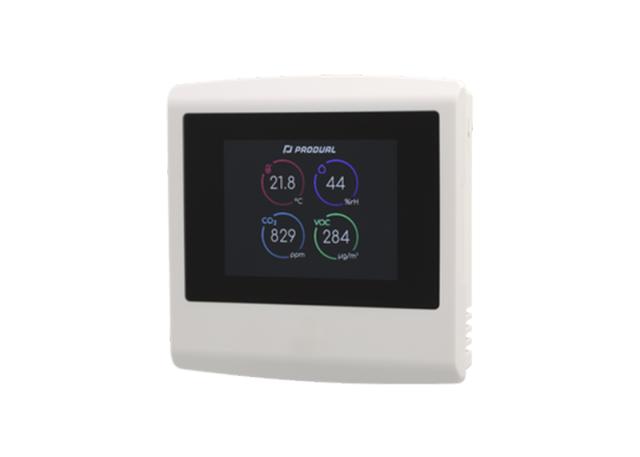
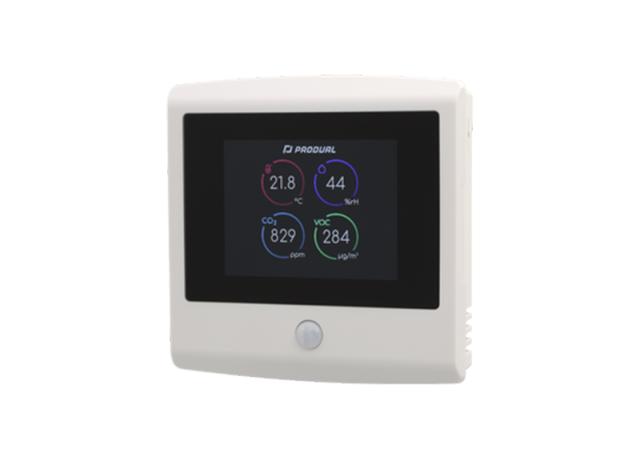
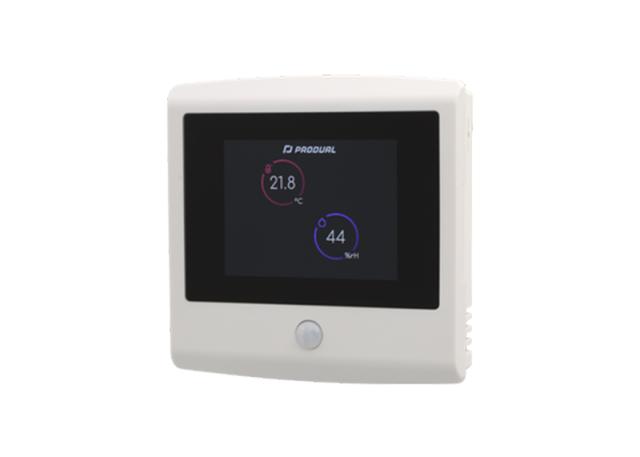
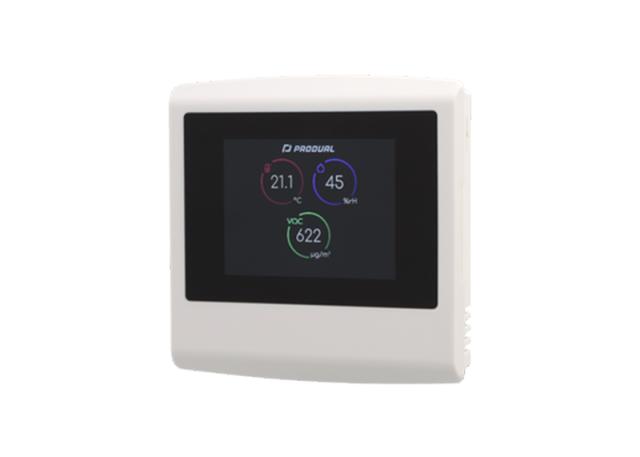
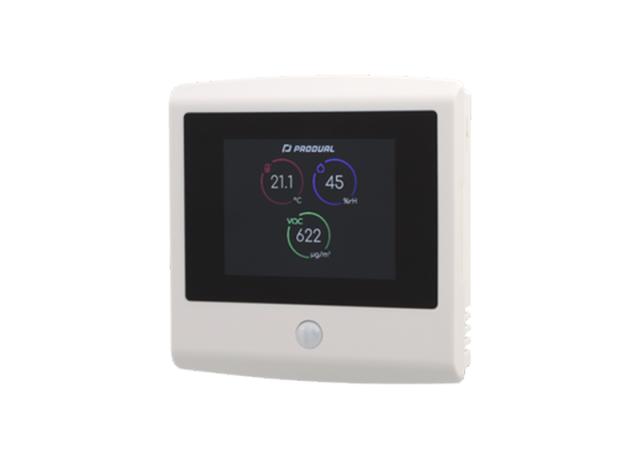
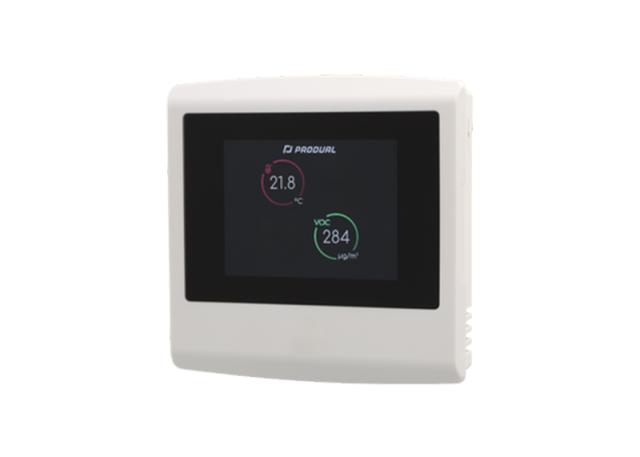
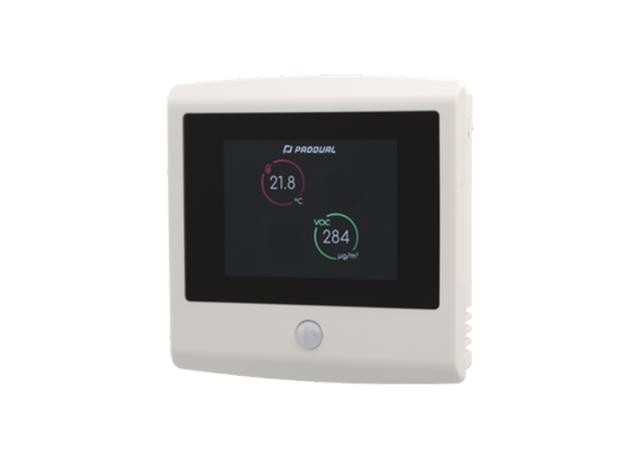
- Showing occupants the air quality: the RTX-CO2-D touchscreen displays live readings in the room, which helps with occupant wellbeing programmes.
- Standalone control: the RTX-CO2 has a built-in P/PI controller, useful where a room controls its own damper or fan without a full BMS.
- Setpoint: many designs use a setpoint of around 800 to 1,000 ppm, but follow the ventilation standard that applies to your project and building type.
For a general comparison of the model range, see CO2 Transmitters: Room, Duct or Outdoor. For VOCs and other pollutants, see VOC and Air Quality Sensors for HVAC.
FAQ
Common questions
What is demand-controlled ventilation?
Demand-controlled ventilation, or DCV, adjusts a building's fresh air rate to match occupancy instead of running at a fixed rate all day. A CO2 sensor tells the BMS to bring in more outside air as CO2 rises with the number of people, and less when the space is empty, cutting the energy needed to heat, cool and move that air.
How much energy can demand-controlled ventilation save?
It depends on how much occupancy varies through the day. Spaces that are often partly empty, such as meeting rooms, schools and auditoriums, save the most, because ventilation only runs at full rate when people are actually there. We can help estimate the saving for your building.
What CO2 setpoint should the BMS use for DCV?
Many designs use a setpoint of around 800 to 1,000 ppm above outdoor level to trigger extra ventilation, but the right value depends on the ventilation standard that applies to your project and the space's occupancy pattern. Confirm the setpoint with your HVAC consultant.
Room or duct CO2 sensor for demand-controlled ventilation?
Use a room sensor, such as the RT-CO2 or RTX-CO2, where each space needs its own ventilation control, for example a meeting room that fills and empties through the day. Use a duct sensor, such as the HDK, where one air handling unit serves an open-plan area and an average reading is enough.
Will a CO2 sensor work with my existing BMS?
Produal CO2 sensors connect to BMS controllers through configurable outputs, so most systems can read them. Tell us your BMS make and the input it expects, and we'll confirm the right output option for your project.
Need help?
Can't find what you need?
Our team helps you select the right co2 sensors products for your application. Request a quote or discuss your requirements.
Expert product guidance
Tailored selection of co2 sensors instruments
Custom solutions
Instruments customized for your specific industrial setup
Trusted global brands
Full warranty and official documentation support