Category
ATEX Inline Process Refractometers
Inline refractometers for concentration measurement in hazardous areas.
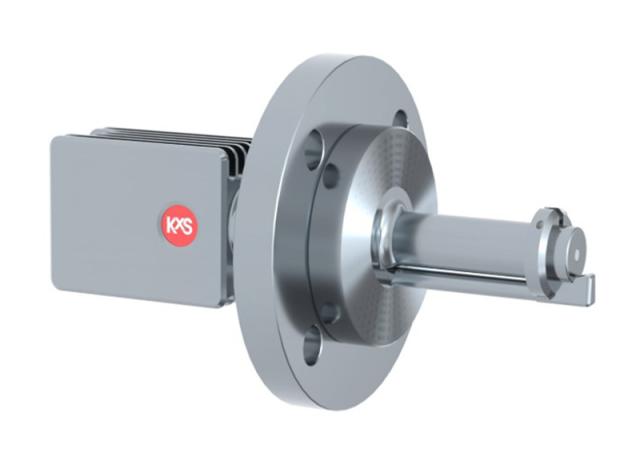
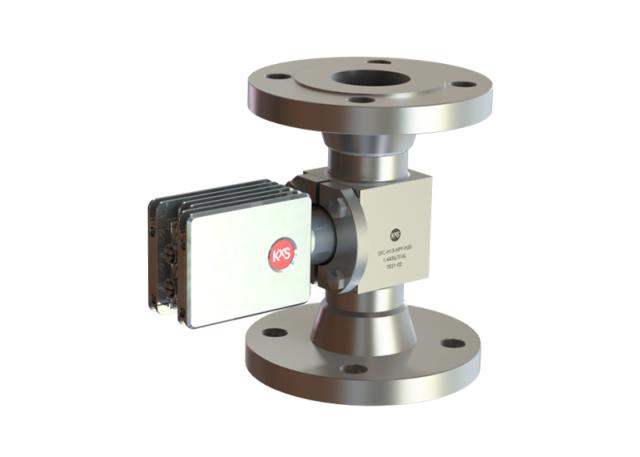
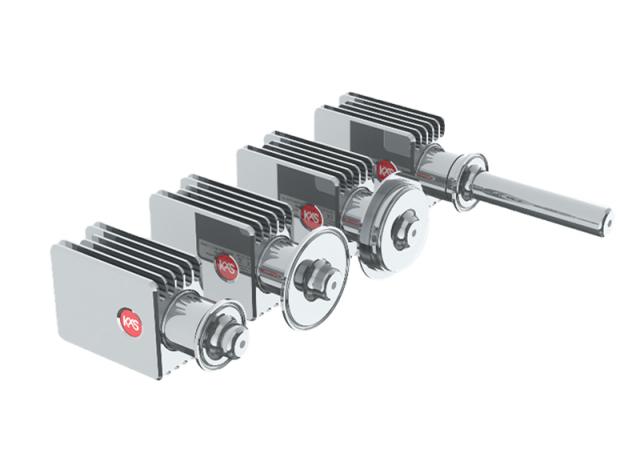
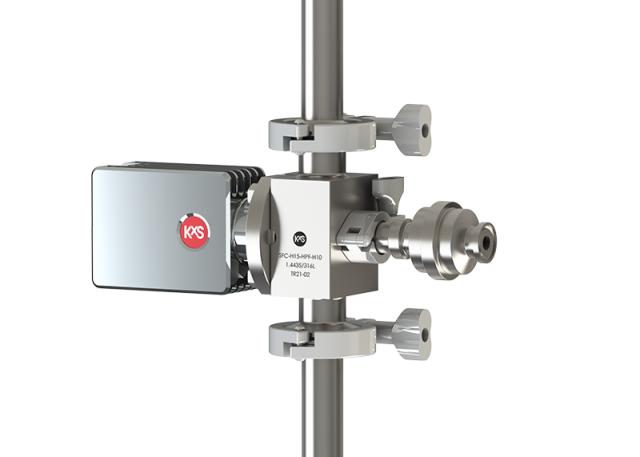
ATEX inline process refractometers measure concentration continuously in hazardous processes, such as solvent-based chemicals, alcohol in beverages and pharma, and chemical recovery in pulp mills. The KXS DCM-20 reads refractive index optically, unaffected by bubbles, colour or flow, and mounts in vertical or horizontal pipes, in versions for chemical, food and beverage, sugar, pulp and paper, and bioprocessing.
5 Products · Inline Process Refractometers
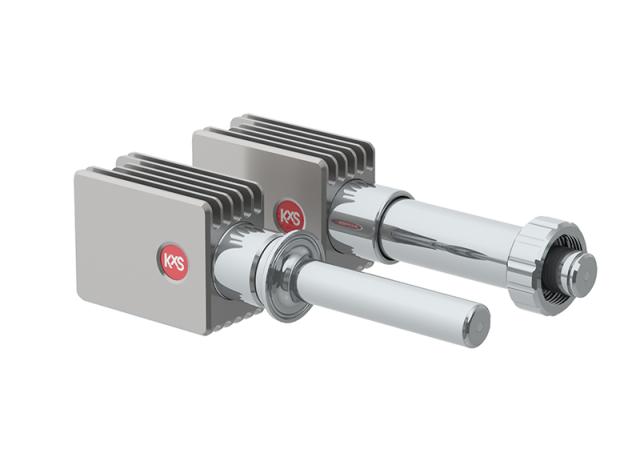
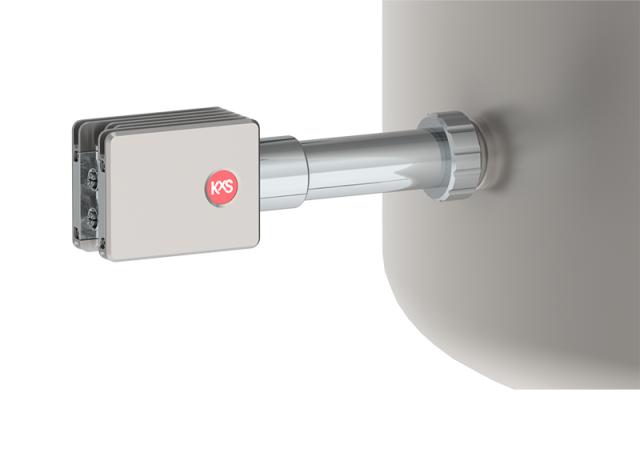
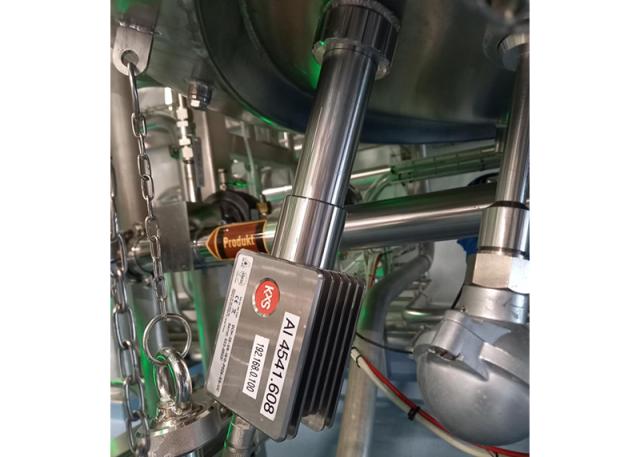
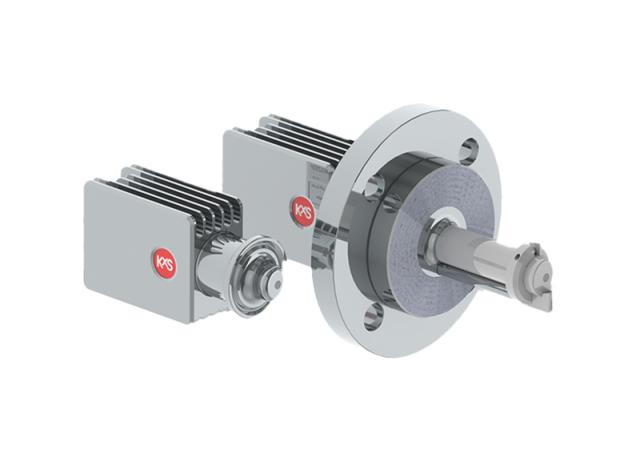
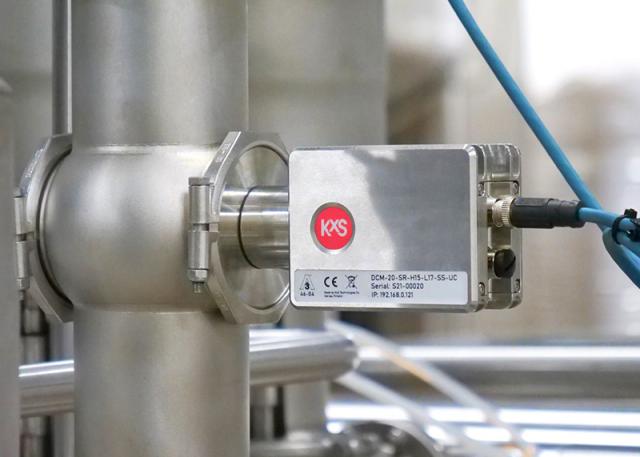
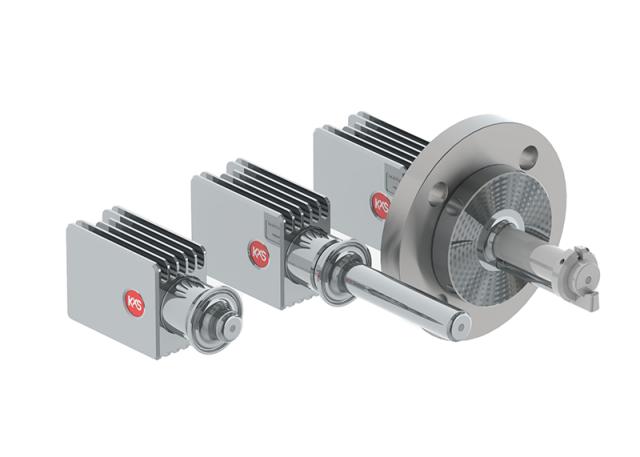
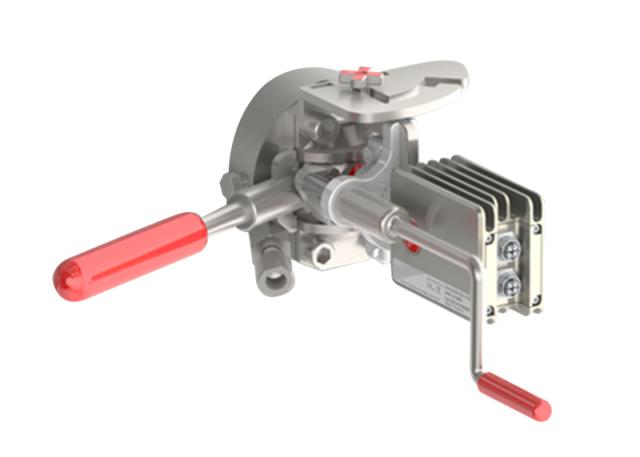
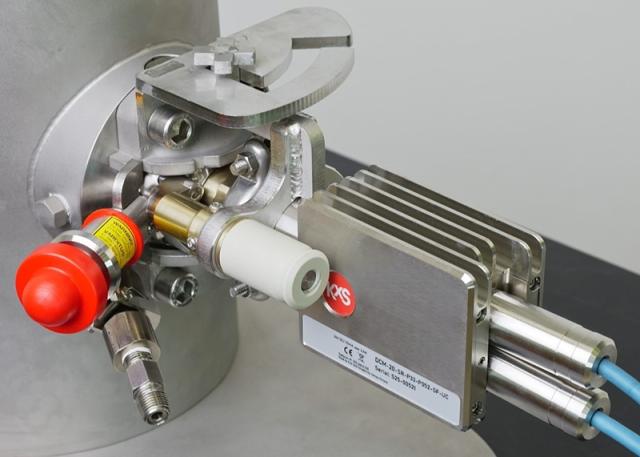
Selection guide
ATEX Inline Process Refractometers Guide
How an ATEX inline process refractometer works
Refractive index changes with the concentration of dissolved solids in a liquid, such as sugar, alcohol or solids content, and the DCM-20 shines light through a prism against the process liquid and measures how much it bends, which correlates directly to concentration, without a sample being taken or the sensor's moving parts wearing. Because it's optical, it isn't affected by bubbles, colour or flow rate, which makes it suited to continuous inline use rather than periodic lab sampling, and it needs no reagents or consumables to keep running. In a hazardous process, the probe and transmitter housing must additionally be certified for the zone, since the liquid being measured is often a solvent or alcohol that can form a flammable vapour.
Choosing an ATEX refractometer by industry
- Chemical and industrial: concentration control in heavy-duty chemical processes; see Chemical Refractometers.
- Food and beverage: Brix and alcohol-containing products; see Food & Beverage Refractometers.
- Sugar: syrups and crystallisation monitoring; see Sugar Refractometers.
- Pulp and paper: the retractable DCM-20 PASVE® for black liquor dry solids; see Pulp & Paper Refractometers.
- Bioprocessing: with Ingold or sanitary connections; see Bioprocessing Refractometers.
Tell us the zone, gas group and temperature class at the installation point, and we'll confirm the right certified configuration for your process.
FAQ
Common questions
Why use a refractometer in a hazardous area instead of manual sampling?
It measures concentration inline and continuously, avoiding the need to manually draw and handle samples of hazardous or solvent-based chemicals. That reduces operator exposure and gives a real-time reading instead of a delayed lab result, which matters for process control decisions.
Which industries typically need a hazardous-area refractometer?
Chemical processes using solvents, beverage and pharma production involving alcohol, and pulp and paper mills recovering black liquor, since all of these can create a classified gas or vapour zone around the measurement point where the ATEX version of the DCM-20 is needed.
Does the ATEX refractometer measure differently from the standard version?
No. It uses the same optical refractive index measurement as the standard DCM-20, unaffected by bubbles, colour or flow. The difference is the certification of the housing and electronics for installation in a classified gas or vapour zone.
Can the refractometer be retracted for cleaning without stopping the process?
Yes, on the pulp and paper version. The DCM-20 PASVE® is a retractable design for black liquor dry solids measurement, letting the sensor be withdrawn for cleaning or inspection without shutting down the digester or evaporator line it's monitoring.
How do I get the right certified configuration for my process?
Tell us the zone classification, the gas group and the temperature class at the installation point, along with your industry and the liquid being measured. With those details we'll confirm the certified DCM-20 configuration for your process.
Need help?
Can't find what you need?
Our team helps you select the right inline process refractometers products for your application. Request a quote or discuss your requirements.
Expert product guidance
Tailored selection of inline process refractometers instruments
Custom solutions
Instruments customized for your specific industrial setup
Trusted global brands
Full warranty and official documentation support