Category
Air and Gas Flow Meters
Measure air and gas flow with vane wheel, thermal and vortex probes, pitot tubes and portable meters.
A flow meter measures the velocity or volume of air or gas moving through a duct, stack or pipe, so you can control a fan, size a burner or log energy use. This page covers Höntzsch vane wheel, thermal and vortex probes, Halstrup-Walcher pitot tubes and flow grids, Produal duct transmitters, and portable meters for site checks.
Browse by type
Flow Subcategories
Air Flow Switch
1 productAir Flow And Velocity Transmitter
2 productsPortable Air Velocity Meter
1 productFlow Measuring Devices (Pitot Tube)
5 productsAveraging Flow Sensor
1 productStack Air Velocity Transmitter
2 productsMass Flow Meter
1 productPortable Gas Flow Meter
2 productsThermal Flow Meter
1 productVane Wheel Flow Meter
3 productsVortex Flow Meter
1 productWilson Flow Grid
1 product21 Products · Flow
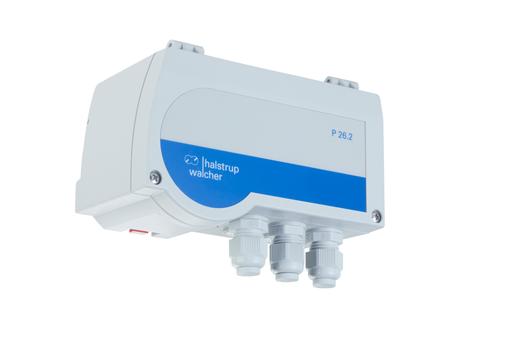
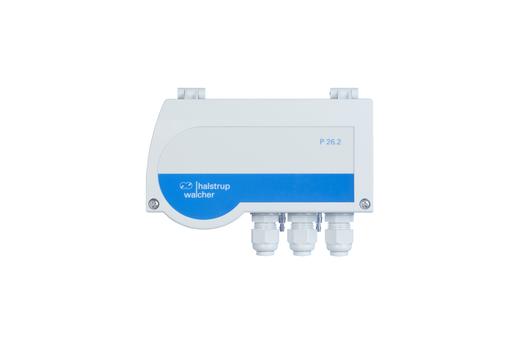
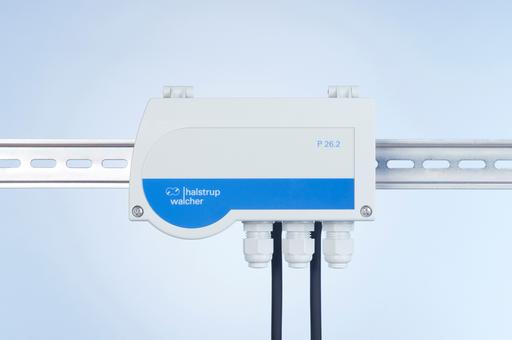
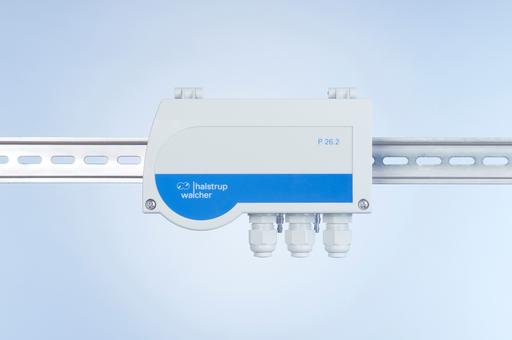
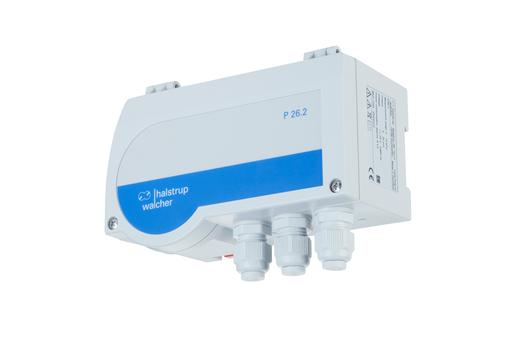
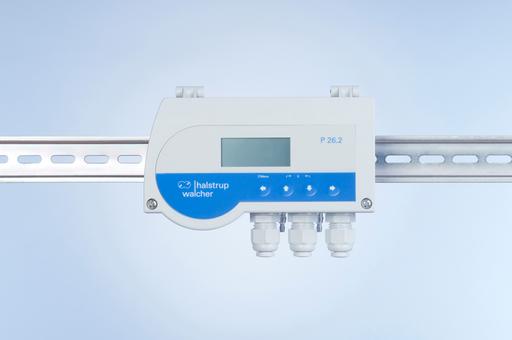
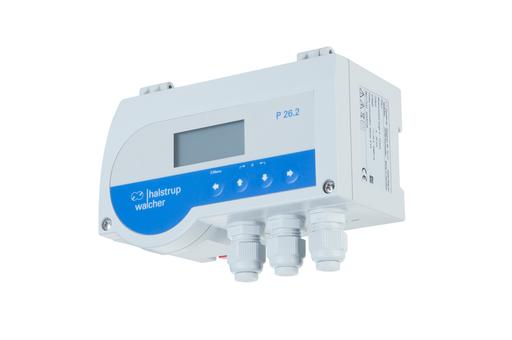
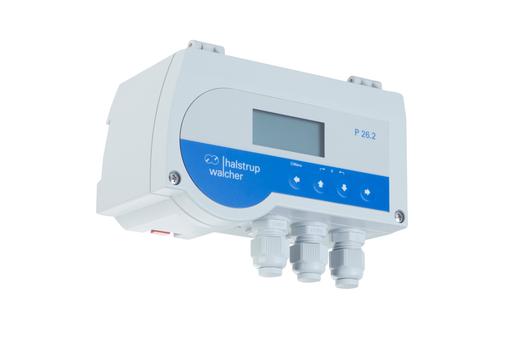
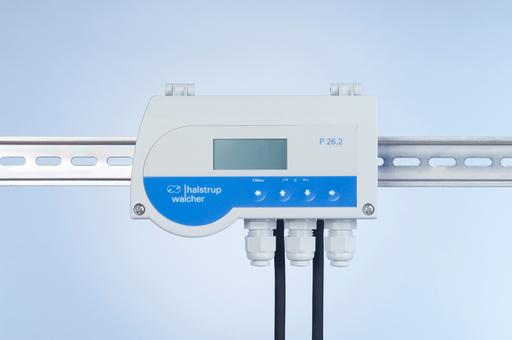
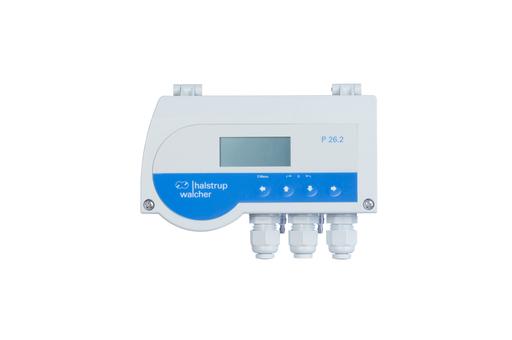
Air Flow & Velocity Transmitter P26.2
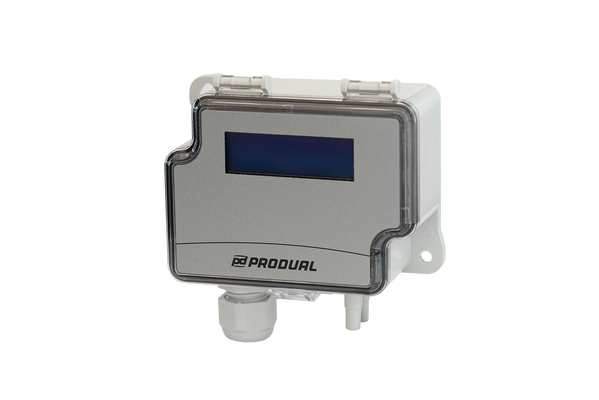
Air Flow And Velocity Transmitter
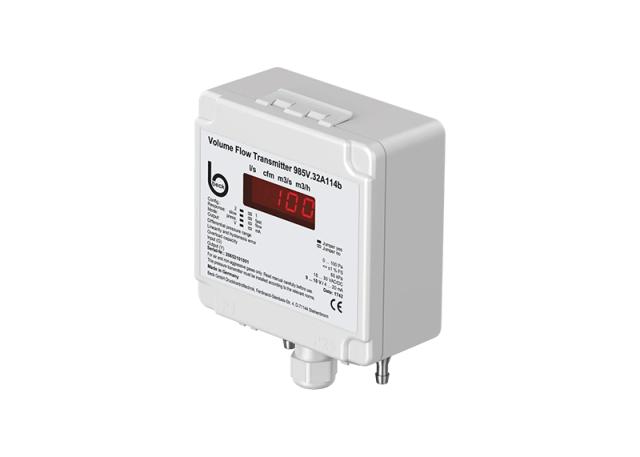
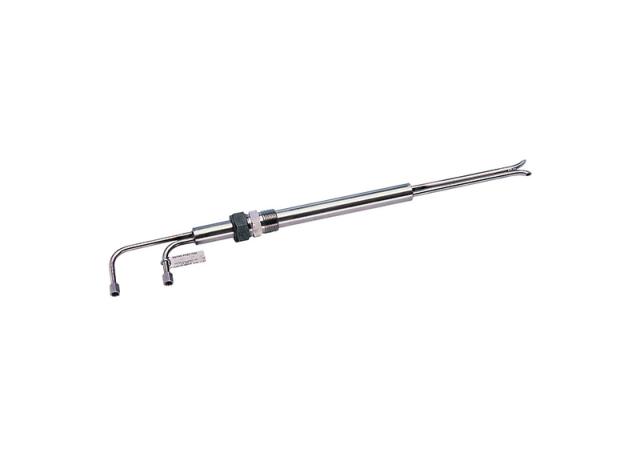
Air Flow And Velocity Transmitter 985V
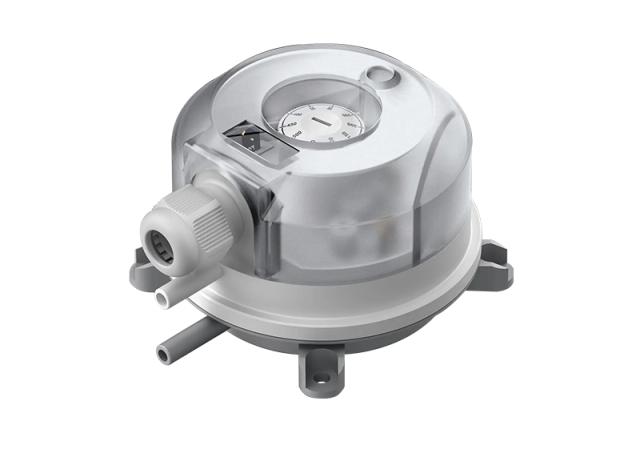
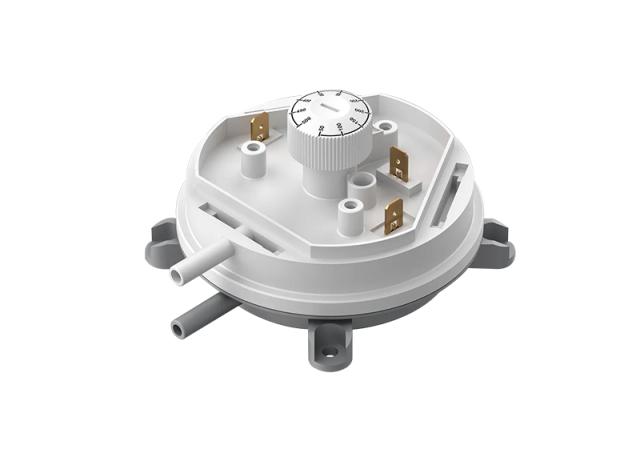
Air Flow Switch 930 Adjustable
adjustable from 20 to 5000 Pascal
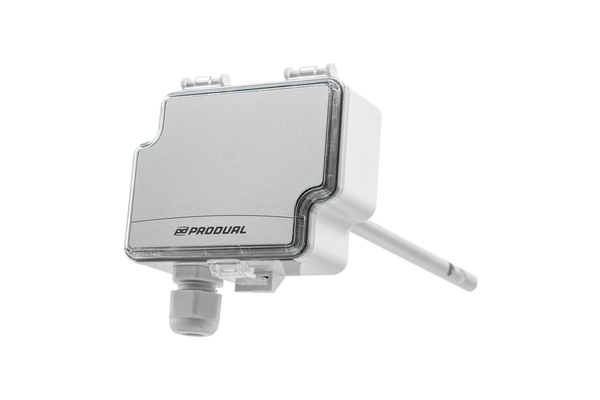
Air Velocity Transmitter
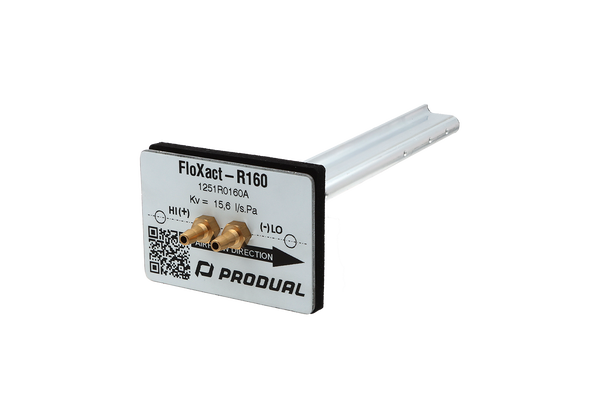
Airflow volume probe FloXact
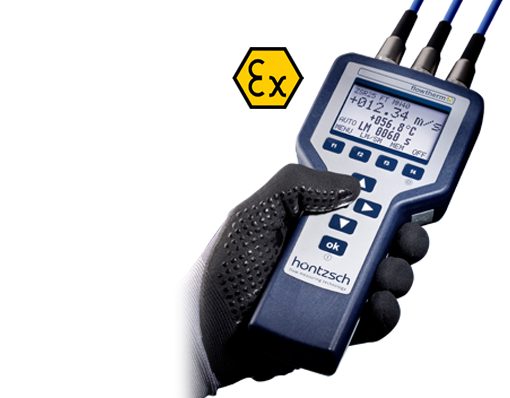
Handheld flowtherm Ex
ATEX-Certified Portable Evaluation Unit for Hazardous Areas
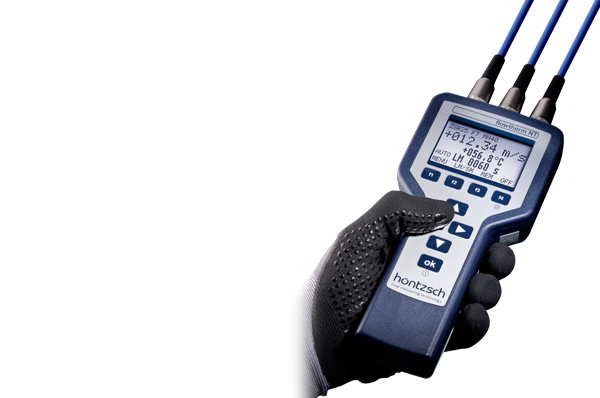
Handheld flowtherm NT.2
Portable Evaluation Unit for Vortex VA Flow Measurement
Mass Flow Meter P26.2
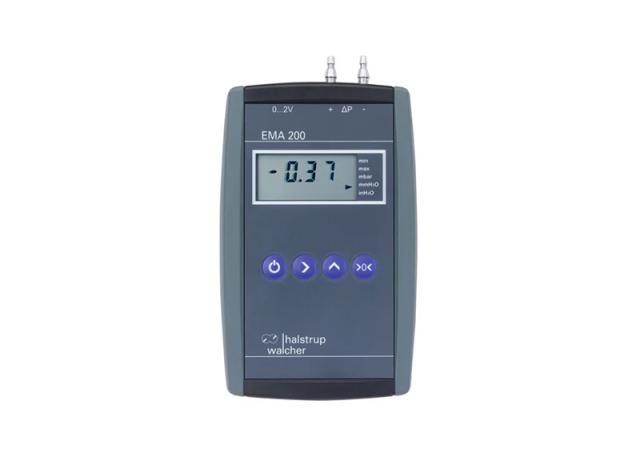
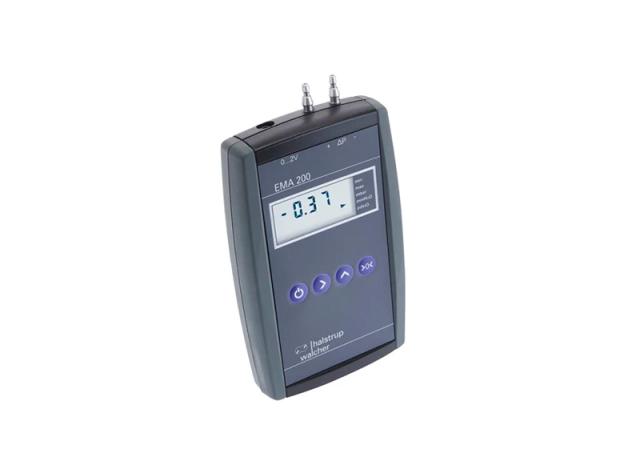
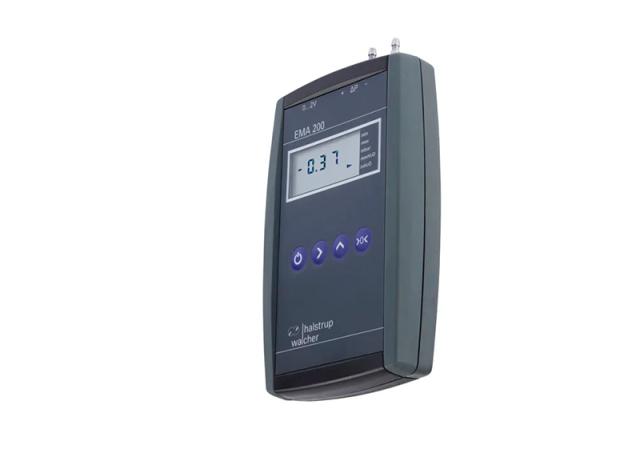
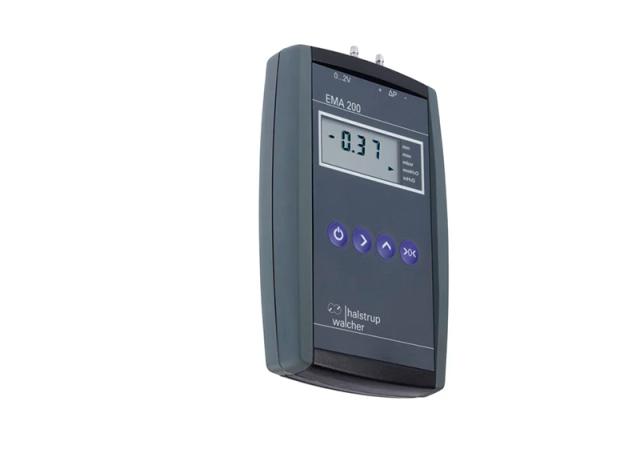
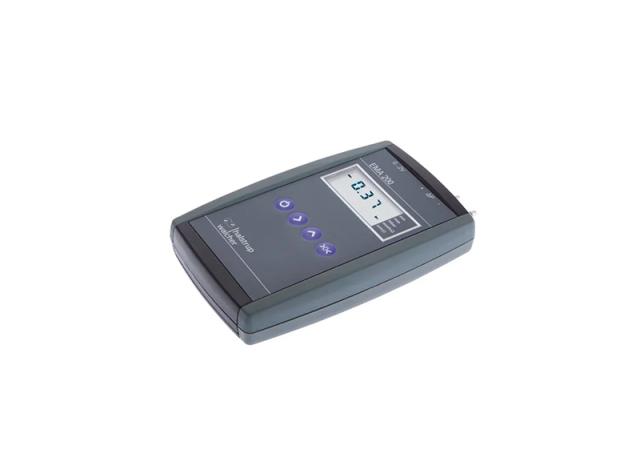
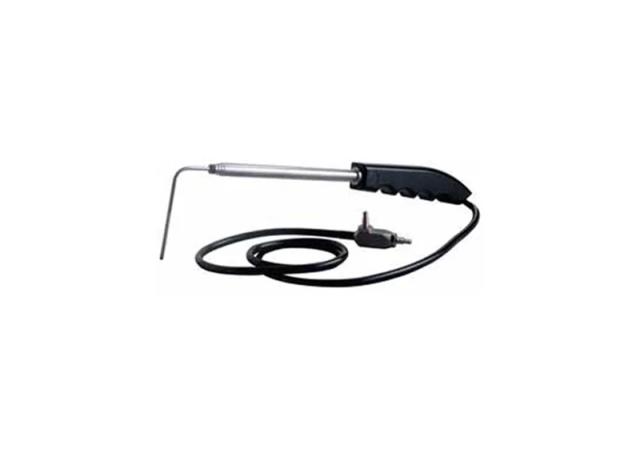
Portable Air Velocity Meter EMA200
S Type Pitot Tube
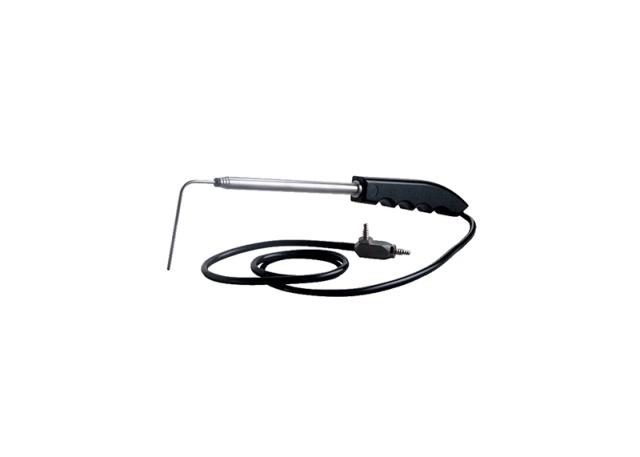
Telescoping Stainless Steel Pitot Tube
Selection guide
Air and Gas Flow Meters Guide
How air and gas flow meters work
Most flow meters here measure velocity, in metres per second, at one or more points in the duct, then convert it to volume flow using the duct area. Vane wheel probes read velocity directly from a spinning rotor, thermal probes read it from how fast a heated element cools, and vortex probes count the eddies shed behind a bluff body. Pitot tubes and flow grids read a differential pressure that a separate transmitter converts to velocity.
How to choose a flow meter
- Continuous duct or process monitoring, general range: an air flow and velocity transmitter covers most supply and process air ducts with a 4 to 20 mA or 0 to 10 V output.
- High temperature or wide velocity range: a vane wheel flow meter reads from 0.3 up to 120 m/s and works to 500 °C.
- Very low, laminar flows: a thermal flow meter senses gas cooling a heated element, useful below what a vane wheel can pick up.
- Wide turndown in one probe: a vortex flow meter covers 0.5 to 40 m/s with a 1:80 measuring dynamic and no moving parts.
- Large ducts needing the best accuracy: the pitot tube range, including the Wilson flow grid, and the Wilson flow grid page on its own, sample multiple points across the duct.
- Fine-tuning a duct averaging probe: an averaging flow sensor amplifies the signal for accurate readings down to 1.0 m/s.
- Mass flow, independent of temperature and pressure: a mass flow meter pairs a differential pressure transmitter with a pitot tube or flow grid.
- Hot, dusty stacks and flues: a stack air velocity transmitter handles emission load calculations and induced draft fan control.
- Spot checks and commissioning: a portable air velocity meter or a portable gas flow meter gives a handheld reading without a fixed installation.
- Fan proving and interlocks: an air flow switch gives a simple on or off contact instead of a continuous value.
For hazardous areas, several of the ranges above have ATEX versions; see our ATEX & Flameproof category.
FAQ
Common questions
What's the difference between velocity flow and volume flow?
Velocity is the air or gas speed at a point, in metres per second. Volume flow is the amount passing per hour, in cubic metres per hour, calculated by multiplying velocity by the duct's cross-sectional area. A transmitter usually gives you velocity, and the volume figure comes from the duct size you enter.
Which flow meter works best for hot flue gas?
A vane wheel probe handles flue and process gas up to 500 °C on the ZS25, or 350 °C on the ZS30. For dustier stacks, an S-type pitot tube with a differential pressure transmitter copes better with particulate than a rotating vane. Tell us the gas temperature and dust load and we'll recommend one.
Do you have flow meters for hazardous areas?
Yes. Several Höntzsch instruments come in ATEX versions: vane wheel probes for Zone 0/20 or 1/21, vortex probes for Zone 2/22, and the flowtherm Ex handheld for Zone 1 and 2. Confirm your zone and gas group before ordering, since sensor and transducer ratings can differ on the same probe.
Can I measure flow without cutting into the duct?
Most probes here need a process connection or an insertion point in the duct wall, sized for the sensor. Portable meters such as the EMA200 or flowtherm units use a small port for spot readings, and a pitot tube traverse only needs one or two access points rather than a full instrument mounting.
What's the difference between a vane wheel, thermal and vortex flow meter?
A vane wheel probe reads velocity directly from a spinning rotor and suits a wide range up to 500 °C. A thermal probe reads the cooling effect of gas on a heated element and suits very low, laminar flows. A vortex probe counts shed eddies and has no moving parts, giving a wide 1:80 turndown.
How do I convert a pitot tube reading into a flow rate?
A pitot tube or flow grid measures differential pressure, not flow directly. You pair it with a transmitter such as the Halstrup-Walcher P 26.2 or the Produal DPT-Flow, which converts that pressure into a velocity or volume flow signal using the duct's known cross-section.
Which flow meter suits a small compressed air line?
A vortex probe such as the Höntzsch VA40 suits compressed air and process gas lines, reading from 0.5 up to 40 m/s with a wide turndown. For portable spot checks on compressed air, the flowtherm handheld units accept the same sensor range on a temporary basis.
Need help?
Can't find what you need?
Our team helps you select the right flow products for your application. Request a quote or discuss your requirements.
Expert product guidance
Tailored selection of flow instruments
Custom solutions
Instruments customized for your specific industrial setup
Trusted global brands
Full warranty and official documentation support