Category
Temperature Sensors and Transmitters
Contact and non-contact temperature measurement, from RTD probes and transmitters to IR pyrometers and kiln monitoring.
A temperature sensor measures process, room or surface temperature by contact (RTD, thermocouple) or without touching the surface (infrared). This page covers the full range: RTD probes, transmitters, infrared pyrometers, a digital switch, calibration tools and kiln and busbar monitoring systems, from Calex, Produal, Pixsys and Seli, for everything from a room thermostat to a cement kiln.
Browse by type
Temperature Subcategories
RTD Temperature Probes
12 productsTemperature Transmitters
11 productsInfrared Temperature Sensors / Pyrometers
14 productsDigital Temperature Switch
1 productPortable Temperature Datalogger
1 productKiln Shell Hot Spot Monitoring System
1 productBusbar Temperature Monitoring
1 productKiln Hot Spot Monitoring Sys. Under Tier
1 productThermocouple Calibrator
1 product42 Products · Temperature
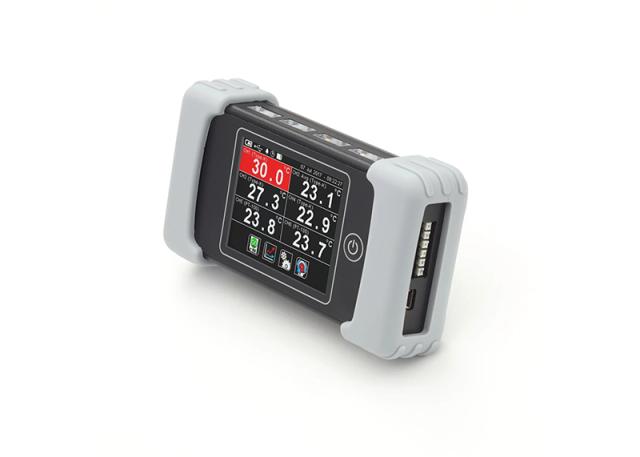
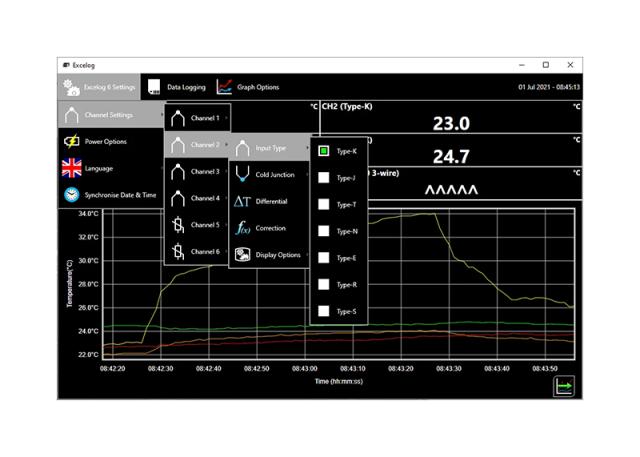
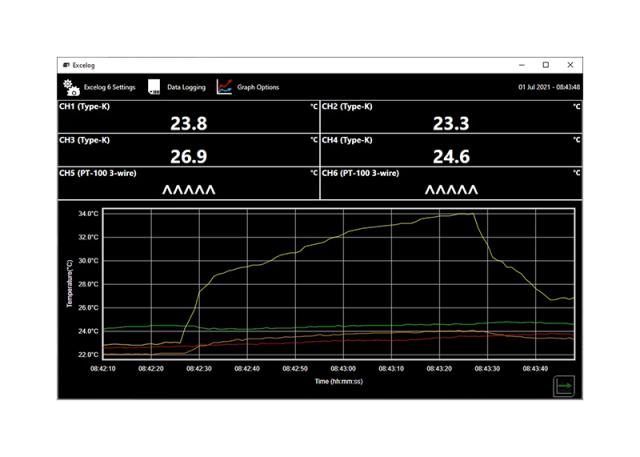
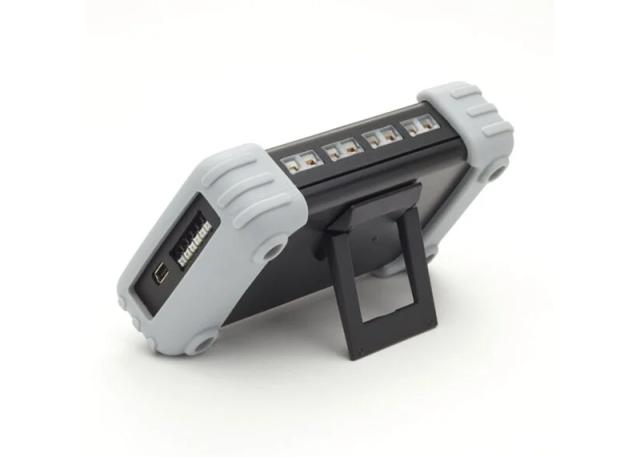
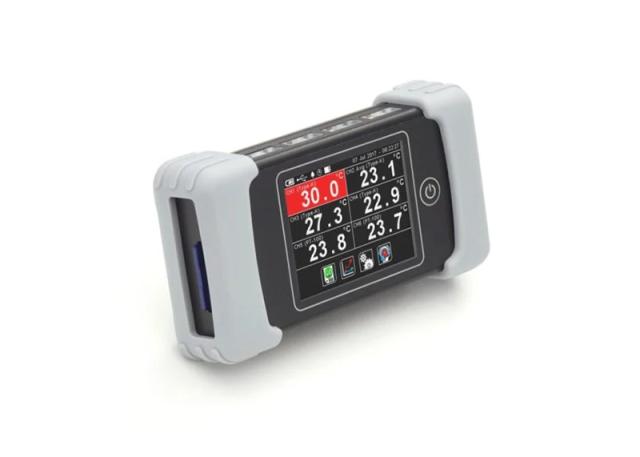
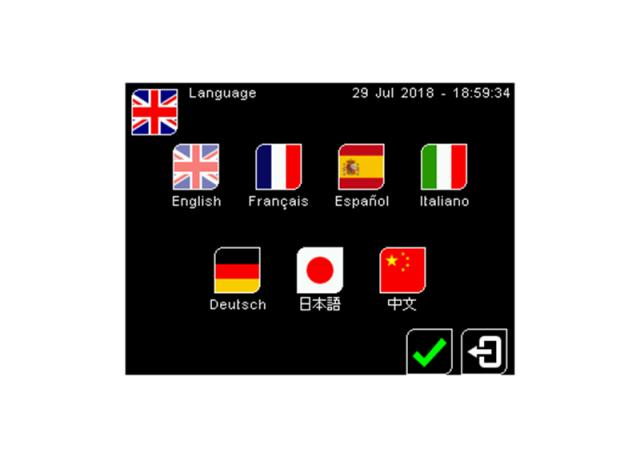
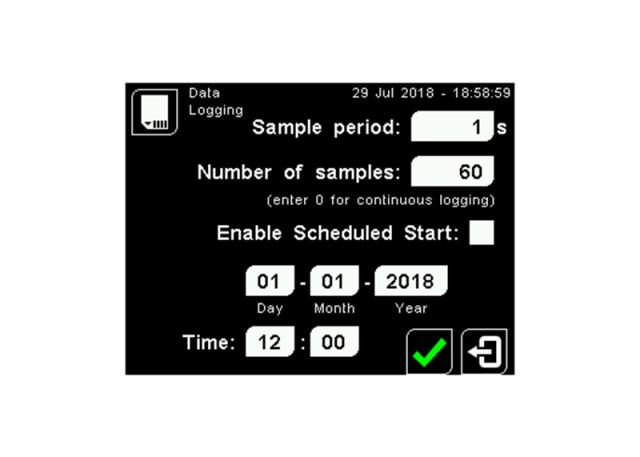
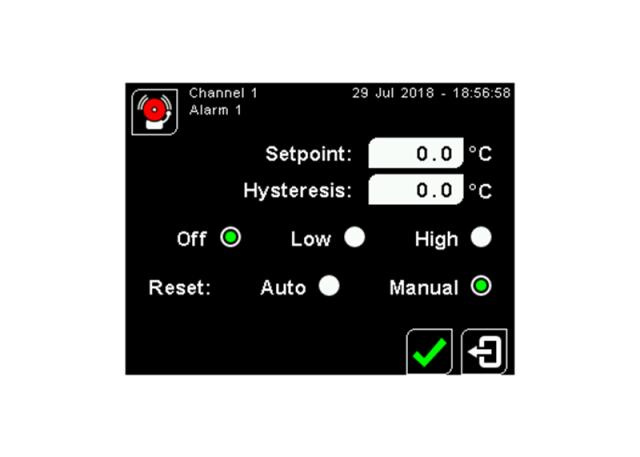
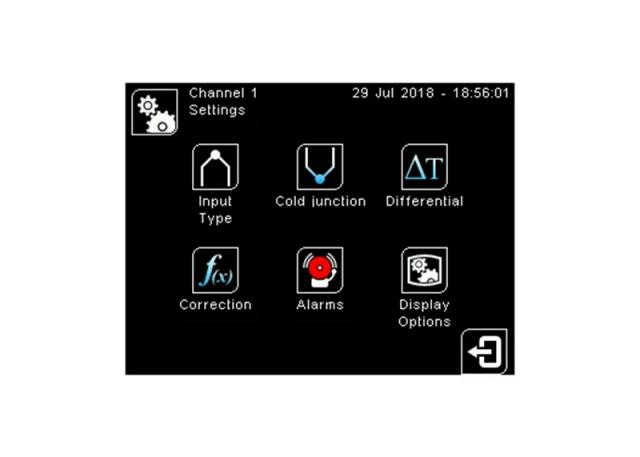
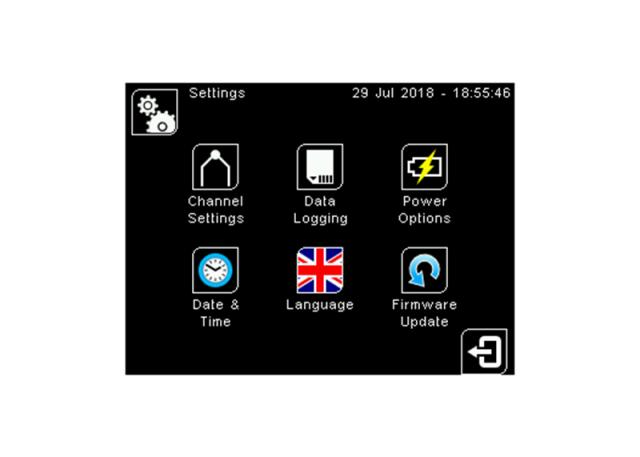
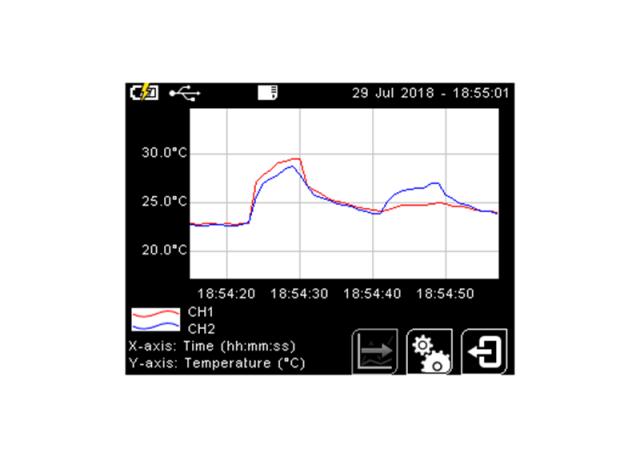
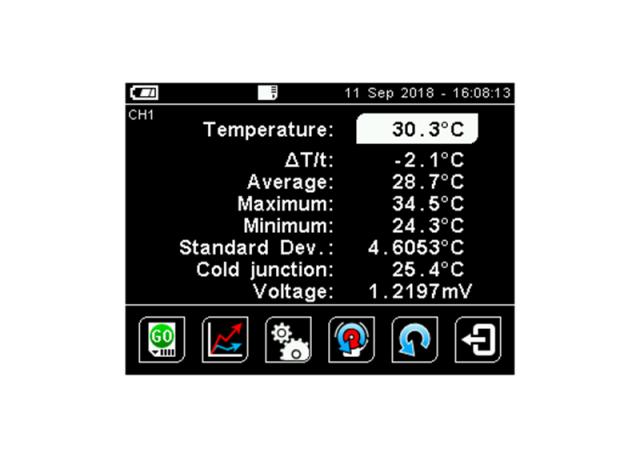
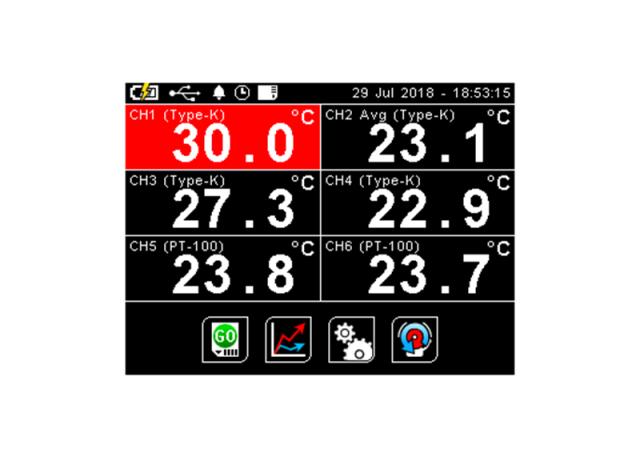
6 Channel Handheld Temperature Data Logger with Touch Screen
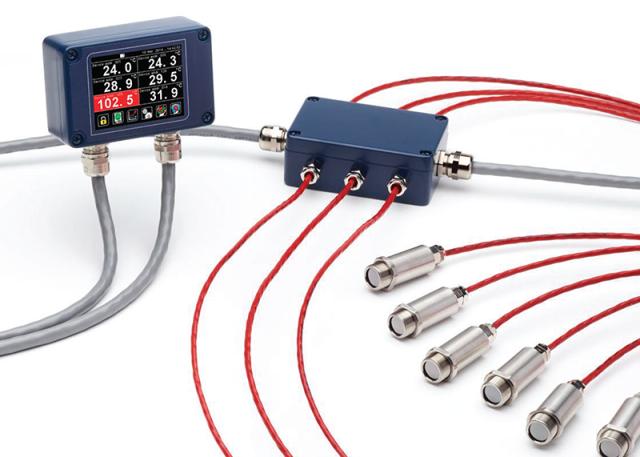
Busbar Temperature Monitoring
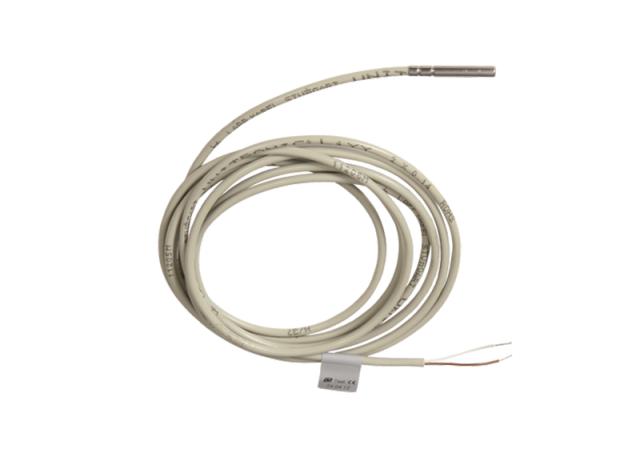
Cable Temperature Sensor - TEKY4
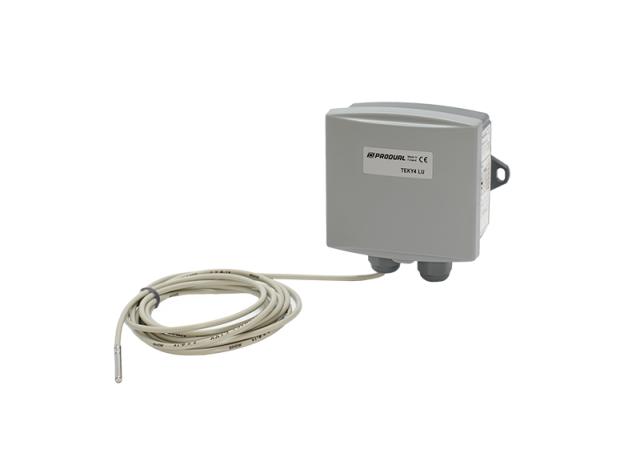
Cable Temperature Transmitter TEKY4 LL
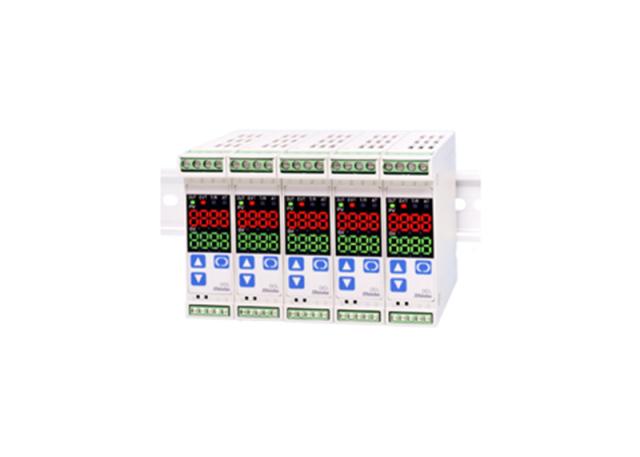
Din Rail Mounted Digital Temperature Transmitter
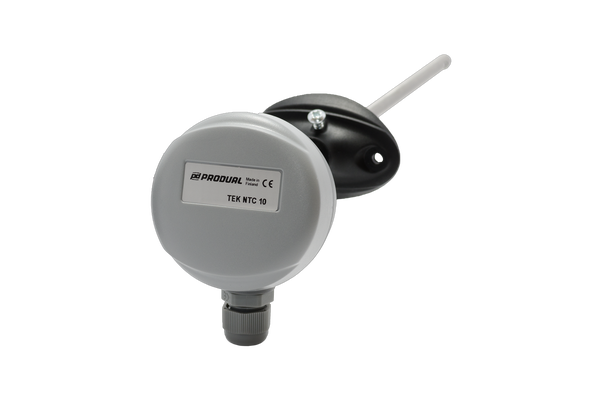
Duct Temperature Sensor TEK
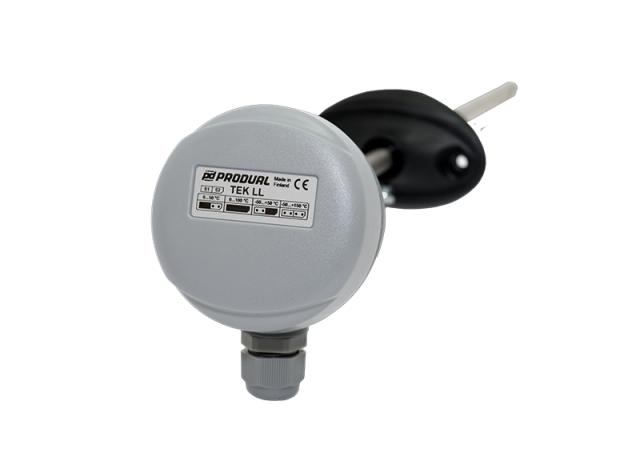
Duct Temperature Transmitter TEK LL
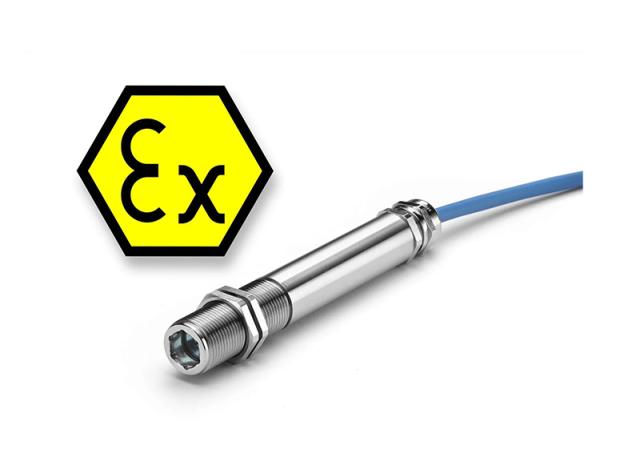
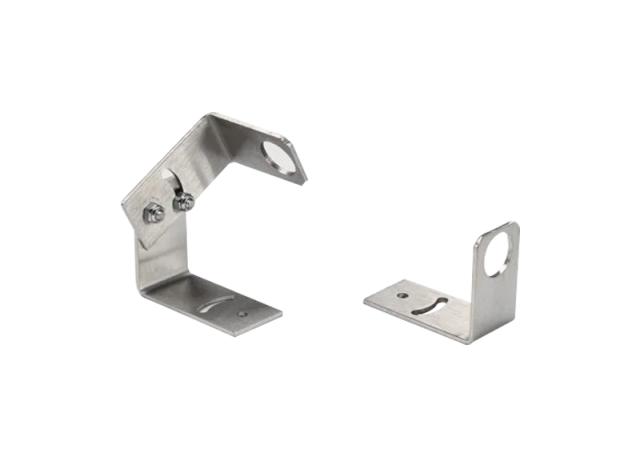
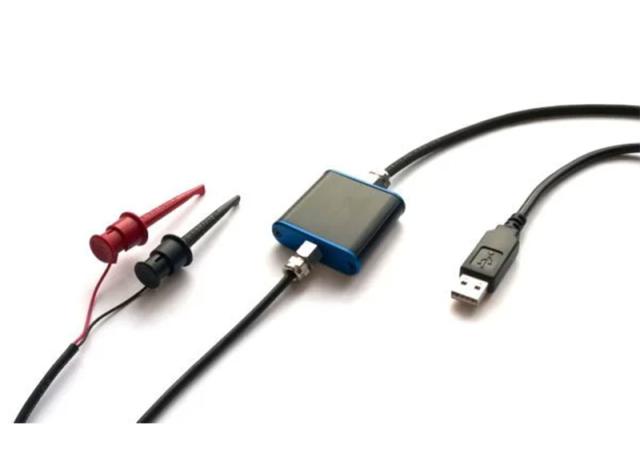
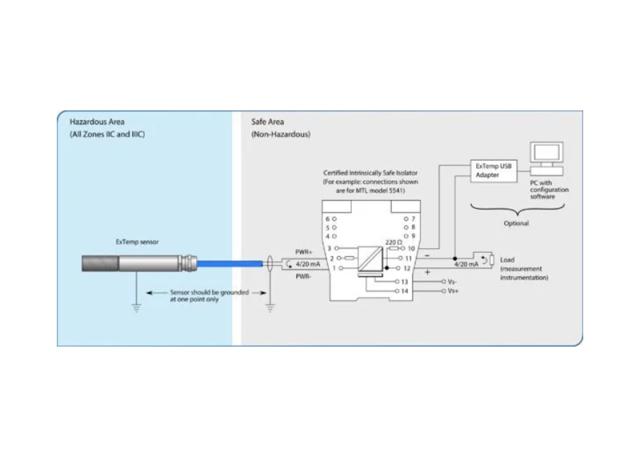
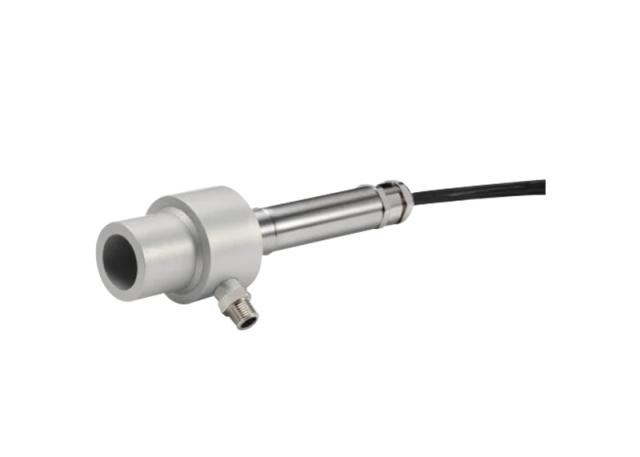
ExTemp – Intrinsically Safe For Hazardous Areas
Intrinsically safe infrared pyrometer, -20 to 1000°C, ATEX/IECEx Zone 0/20, 4-20 mA loop
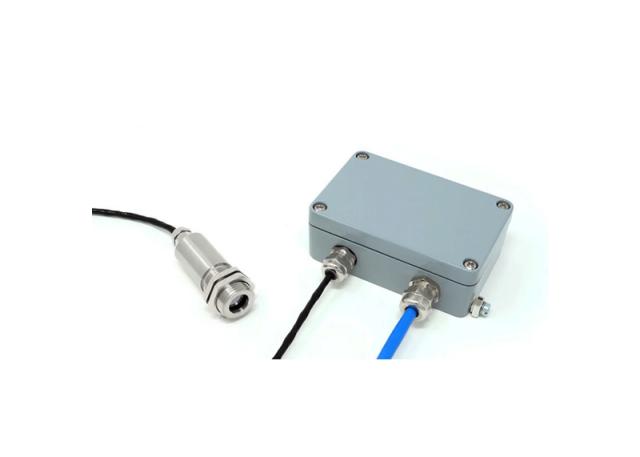
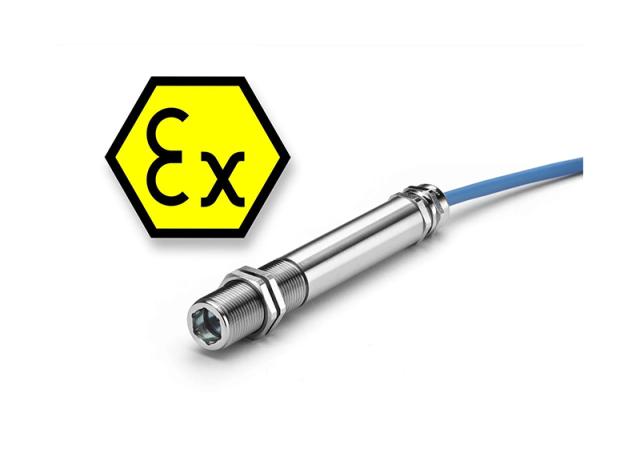
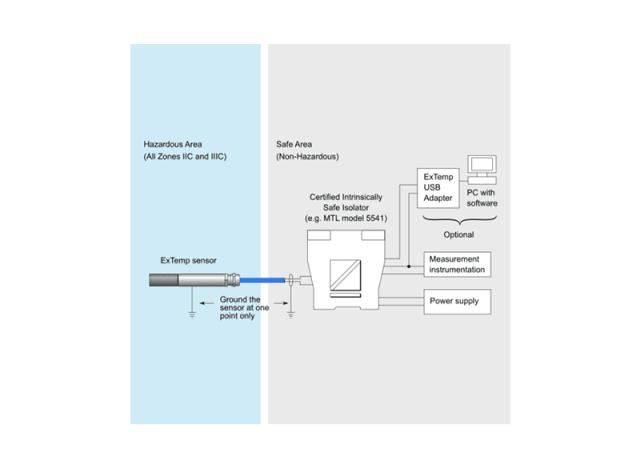
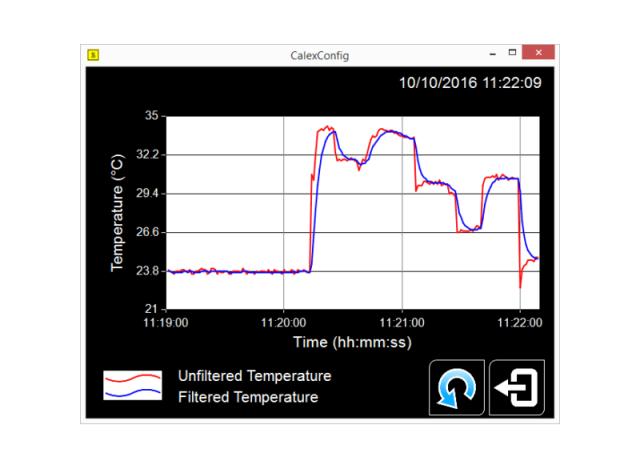
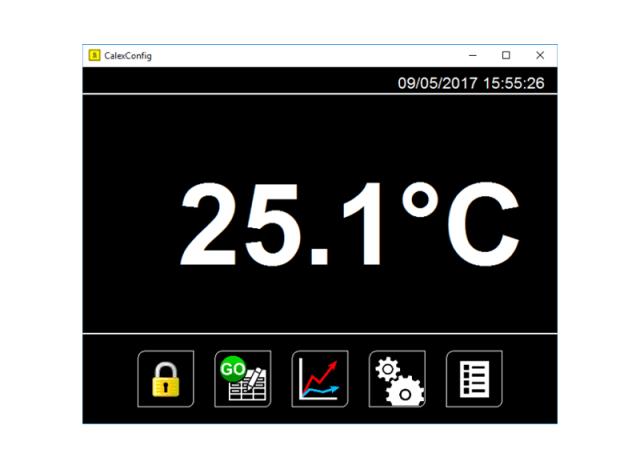
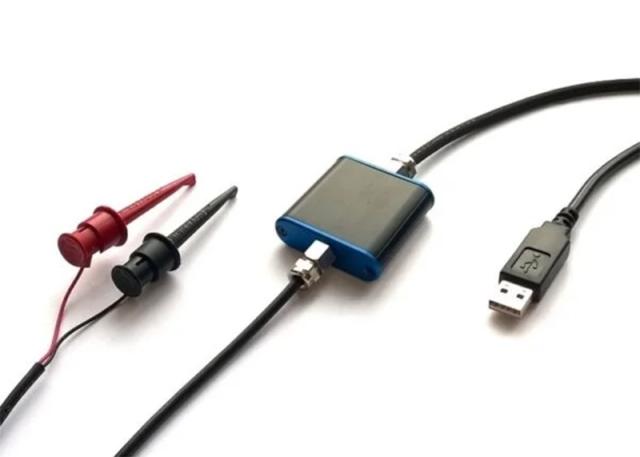
ExTempMini – Miniature Intrinsically Safe Infrared Temperature Sensor For High Ambient Temperatures
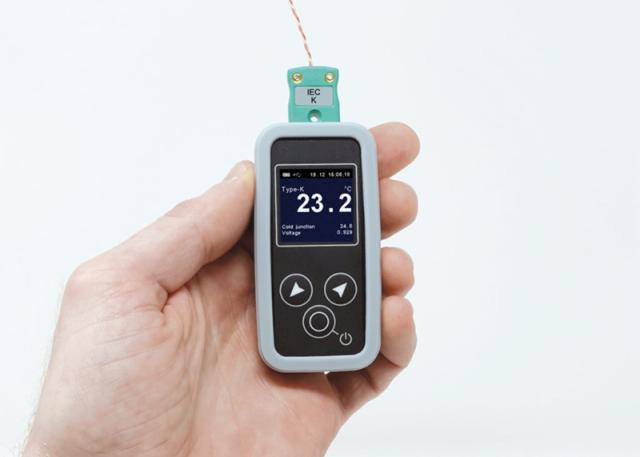
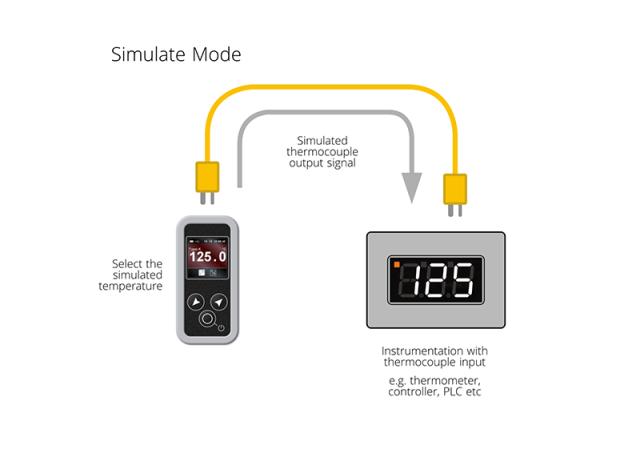
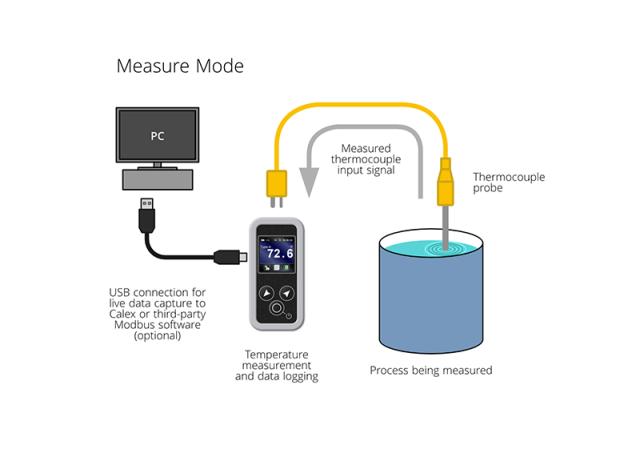
Excelog One – Thermocouple Data Logger and Simulator
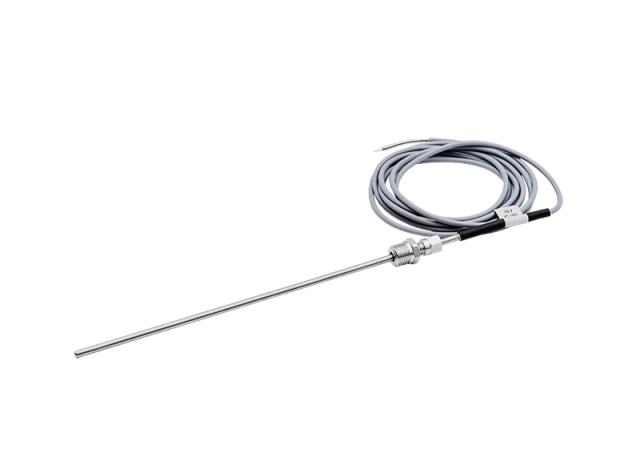
Frost Guard Temperature Sensor - TEV
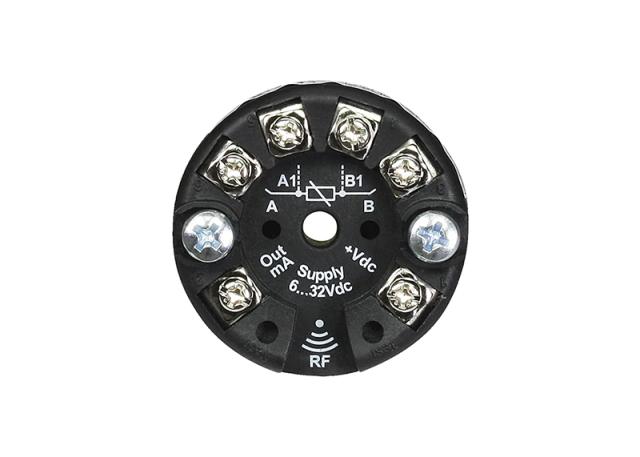
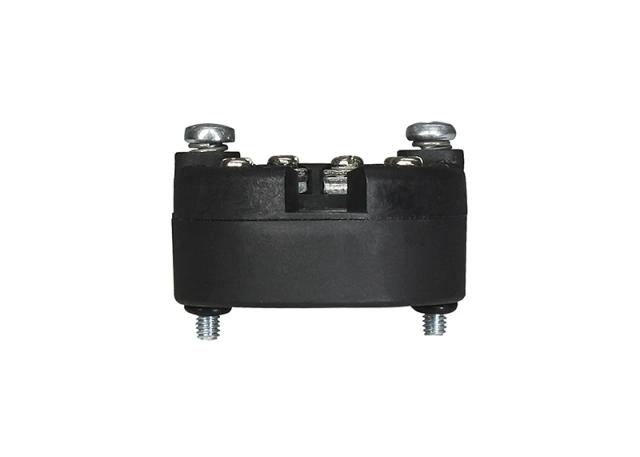
Head-Mount Temperature Transmitter
Selection guide
Temperature Sensors and Transmitters Guide
Contact or non-contact temperature sensor?
Check first if the sensor can reach the medium directly.
- Contact: if it can reach the medium, a contact sensor is usually cheaper and more accurate. RTD temperature probes suit accurate, stable readings up to a few hundred °C, in industrial, sanitary or HVAC-building versions, wired for 3-wire or 4-wire connection.
- Non-contact: if the sensor can't touch a moving part, a very hot surface, a live-electrical joint or a hard-to-reach spot, choose an infrared temperature sensor / pyrometer instead, covering -40 to 2000 °C across simple, display and networked models.
Sensor, transmitter or monitoring system?
Once you've picked contact or non-contact, match the rest of the instrument chain to the job.
- Adding a loop signal: a bare probe needs a temperature transmitter to convert its signal to a 4 to 20 mA loop, head-mounted at the sensor or on a DIN rail in the panel.
- Local display and switching: the digital temperature switch combines a display, transmitter and switch in one device, so you don't need three separate instruments on one probe.
- Site surveys: the portable temperature datalogger logs 6 channels on site during commissioning or troubleshooting.
- Checking an installed instrument: the thermocouple calibrator checks that an already-installed instrument still reads correctly, without heating anything.
- Switchgear joints: busbar temperature monitoring watches electrical joints inside switchgear for a rising joint resistance before it becomes a fire risk.
- Rotary kilns: kiln shell hot spot monitoring covers the visible shell, and under-tyre kiln monitoring covers the area under the riding ring that a standard scanner can't see.
FAQ
Common questions
Should I choose an RTD or a thermocouple for temperature measurement?
RTDs, such as our Pt100 and Pt1000 probes, are more accurate and stable for temperatures up to a few hundred °C. Thermocouples cover much higher temperatures and respond faster to change. For most process and building work up to a few hundred °C, an RTD is the better default choice.
What is a Pt100 and how is it different from a Pt1000?
A Pt100 is a platinum RTD with a resistance of 100 Ω at 0 °C. A Pt1000 has 1000 Ω at 0 °C, which reduces the effect of cable resistance over a longer run, so it's a better choice where the transmitter or panel is some distance from the sensor.
When should I use an infrared sensor instead of a contact sensor?
Choose infrared when you can't or shouldn't touch the surface: moving parts, very hot process surfaces, live-electrical joints or hard-to-reach spots such as a kiln shell. A contact RTD or thermocouple is generally more accurate when you can safely reach the medium, so it stays the first choice there.
Can you supply NABL-calibrated temperature sensors?
Yes, our industrial RTDs can be supplied with NABL or non-NABL calibration, depending on your quality system's requirement for a nationally accredited certificate. Tell us which certification your process requires when you order, and we'll confirm the right calibration option with the probe.
What's the difference between a temperature transmitter and a digital temperature switch?
A temperature transmitter converts a sensor's signal to a 4 to 20 mA loop for a PLC to read; it has no local display or switching. A digital temperature switch, like the Pixsys DST100, adds a local display and two switching outputs to that same transmitting function, in one device.
Do you monitor temperature for kilns or switchgear as a system, not just a sensor?
Yes. Our kiln shell and under-tyre monitoring systems use multiple infrared sensors and a PM180 hub to track a rotating kiln shell continuously, and our busbar temperature monitoring does the same for switchgear joints, all logging and alarming through Modbus rather than a single point reading.
Need help?
Can't find what you need?
Our team helps you select the right temperature products for your application. Request a quote or discuss your requirements.
Expert product guidance
Tailored selection of temperature instruments
Custom solutions
Instruments customized for your specific industrial setup
Trusted global brands
Full warranty and official documentation support