Industry
Instruments for the Dairy Industry
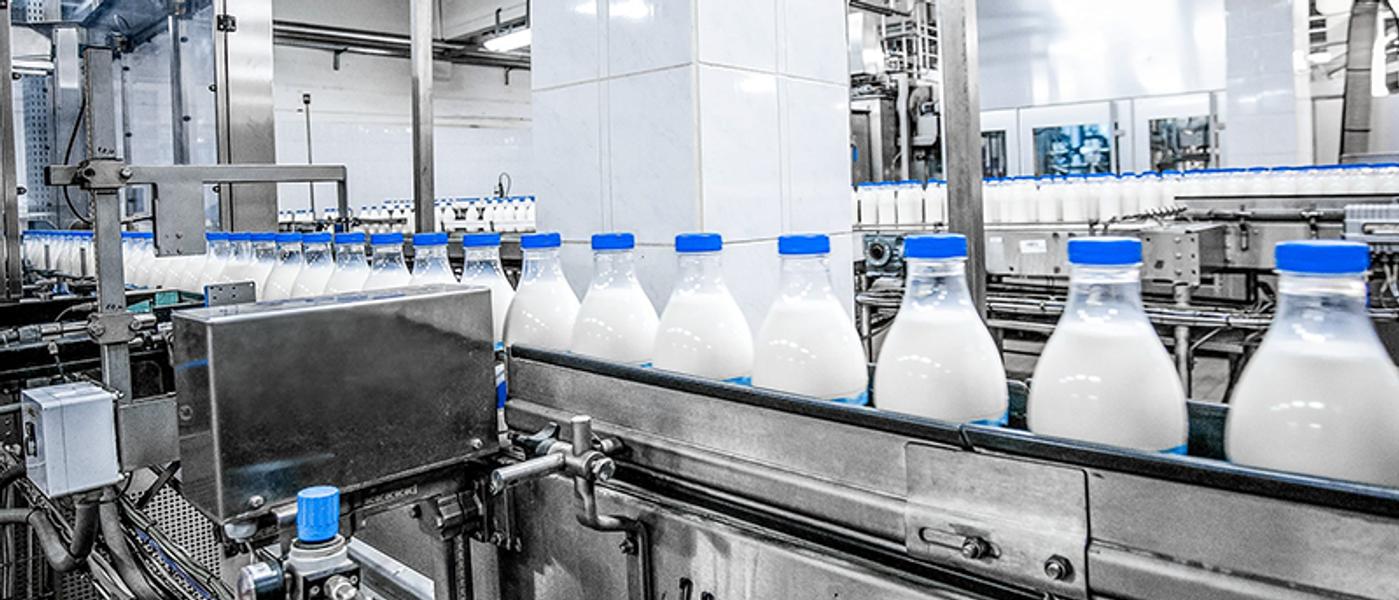
Instruments for dairy plants, from milk reception and silo storage to pasteurisation, CIP cleaning, evaporation and spray drying.
Products
Categories
Brands
About this industry
Dairy Overview
A dairy plant handles a perishable product under strict hygiene rules. Milk has to be held at the right temperature, heated and cooled exactly, and every line has to be cleaned and proven clean before the next batch. We supply measurement, analysis and control products for each stage, from the milk reception bay to the powder silo.
Milk reception and silo storage
Raw milk is checked, chilled and stored in large silos before processing. Flush mounted level transmitters from Seli measure silo contents through the hydrostatic pressure at the base, with no crevice for milk to collect. Vibrating fork level switches from Trumen and conductive and capacitive switches from Seli give high and low alarms on tanks, balance tanks and buffer vessels.
Pasteurisation and heat treatment
Pasteurisers, UHT plants and heat exchangers depend on accurate temperature at every holding tube and outlet. Sanitary RTDs with tri-clover connections fit hygienic pipework, and Pixsys head-mount transmitters send a 4–20 mA signal to the control panel. For aseptic lines, Seli offers a temperature sensor with a weld-in sleeve system.
Pressure in hygienic lines
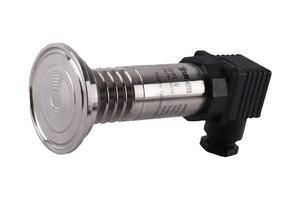
Homogenisers, separators, filling machines and CIP pumps need pressure readings that do not trap product. Flush diaphragm pressure transmitters from Trumen have no cavity in front of the sensor, so they clean in place with the rest of the line. The Pixsys DST400 adds a local display and switch outputs.
CIP and product quality
Clean-in-place systems use caustic and acid that must be dosed, separated and rinsed out. Conductivity cells and transmitters from Chemitec and Seli tell the system when the line holds product, cleaning solution or rinse water, so phases switch at the right moment and less milk is lost. Turbidity sensors from Exner and Chemitec detect milk in rinse water and the milk–water interface at start-up and changeover. pH electrodes from Kuntze and Chemitec follow fermentation in curd, yoghurt and cheese making, and KXS inline refractometers measure the solids content of concentrates in-line.
Evaporators, spray dryers and powder
Evaporators and spray dryers turn milk into concentrate and powder. Beck draft pressure and airflow transmitters measure dryer chamber pressure and air velocity, and broken bag detectors from Auburn warn when a powder filter bag tears. Exner EXtract retractable housings let refractometer and turbidity probes be pulled from a running line for cleaning.
Utilities and plant health
Ammonia chillers, boilers and effluent plants keep the dairy running. Chemitec free chlorine and dissolved oxygen analysers check cooling and process water and the effluent plant, and Hauber vibration sensors watch pumps, fans, separators and compressors.
Control and indication
Shinko and Pixsys PID controllers, digital indicators and programmable controllers run heating, cooling and batch steps, and Chemitec multi-channel analysers bring several sensors into one panel.
We supply these brands to dairy plants across India, South Asia, the Middle East, Southeast Asia and Africa, and help with product selection and after-sales support.
Products
Dairy instruments by category
Temperature
Pressure
Level
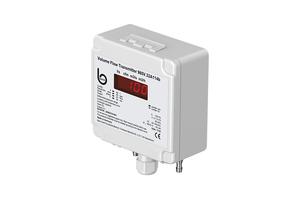
Flow
Liquid & Gas Analysis

Vibration Sensors
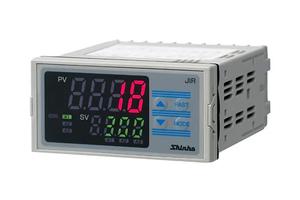
Monitor
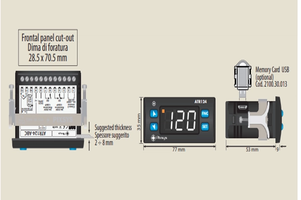
Control
ATEX / Flameproof Product
Stroke Sensors
Brands
Brands we supply for Dairy


FAQ
Common questions
Which temperature sensor is used in a milk pasteuriser?
A sanitary RTD with a tri-clover or other hygienic process connection is the usual choice. It is accurate around pasteurisation temperatures and has no crevices where milk can collect. A head-mount transmitter turns the reading into a 4–20 mA signal for the PLC or recorder.
How is the level in a milk silo measured?
Most silos use a flush mounted hydrostatic level transmitter at the base. It measures the pressure of the milk column and converts it to level or volume, and its flush diaphragm can be cleaned in place with the silo. Vibrating fork switches are added for high and low level alarms.
How does conductivity help in a CIP system?
Milk, caustic, acid and rinse water each have a different conductivity. An inline conductivity sensor tells the CIP controller which liquid is in the line, so it can switch phases, recover cleaning solution and confirm that rinsing is complete.
What is a turbidity sensor used for in a dairy?
It detects milk in water. At product changeover and during rinsing, a turbidity sensor shows exactly when the line changes from milk to water, so less product goes to drain and less water gets into the product.
Can these instruments connect to our plant PLC or SCADA?
Yes. Most transmitters and analysers give a 4–20 mA output, many support Modbus, and the controllers and multi-channel analysers bring several signals into one panel.
Dairy projects
Planning a dairy project?
Tell us about your plant and application. Our engineers help you pick the right instruments and send a quote.
Expert pre-sales support
Tailored product selection by experienced engineers
Calibration & repair
State-of-the-art service facility & technical guidance
Fast delivery across India & Asia
Prompt logistics and support across India and Asia