Category
Level Switches & Transmitters
Level switches and transmitters for solids and liquids from Trumen, Filsa, Seli and Beck.
A level switch or level transmitter tells you how much material is in a tank, silo or hopper, and stops it running empty or overflowing. Choose a switch for a single trip point or a transmitter for a continuous reading, then pick the technology for your material: liquid or bulk solid, sticky or free-flowing, from Trumen, Filsa, Seli and Beck.
Browse by type
Level Subcategories
Point Level Switch - Solid & Liquid
13 productsLevel Transmitter - Solid & Liquid
5 productsMilk Silo Level Transmitters
3 productsHydrostatic Level Transmitter
2 productsBoot Level Switch
2 productsChute Jam Level Switch
1 productOverflow Switch for Screw/Chain Conveyor
1 productPendulum Level Switch
2 productsIndicator Controller Transmitters
2 productsWater Level Transmitter
1 productWater Level Switch
1 product34 Products · Level
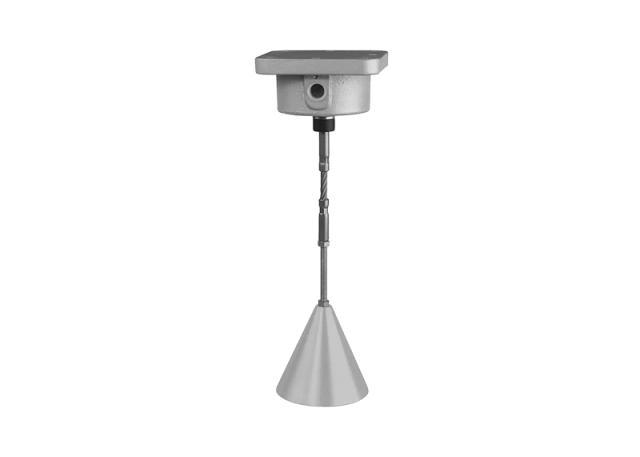
ATEX Pendulum Level Switch
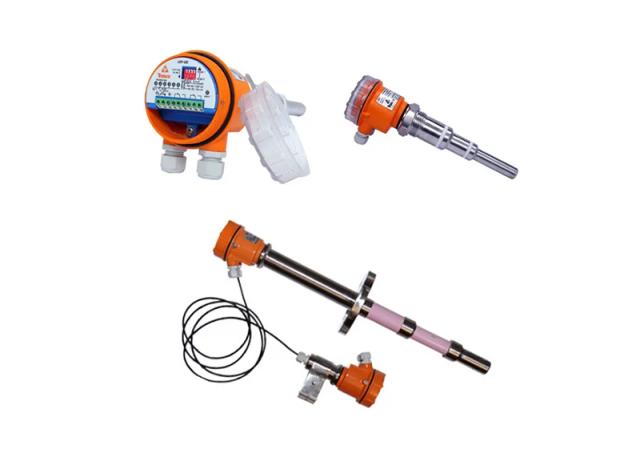
Admittance Point Level Switch
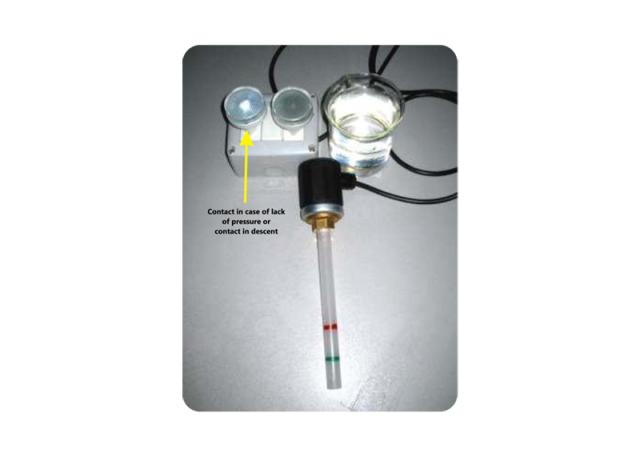
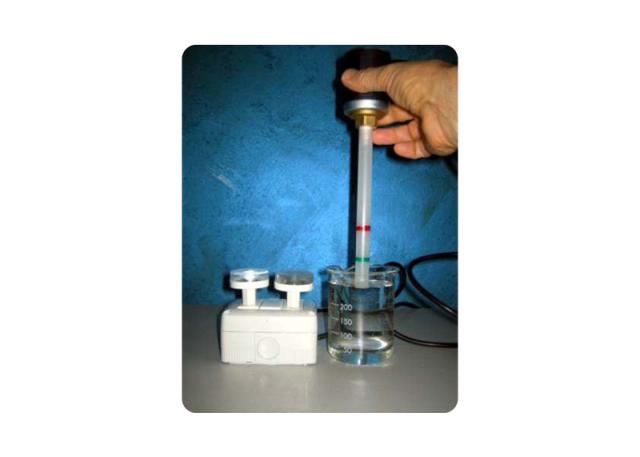
Beck Pressure Switch
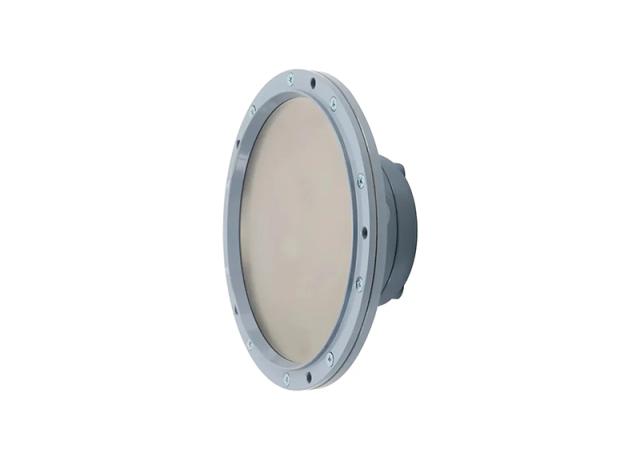
Boot Level Switch
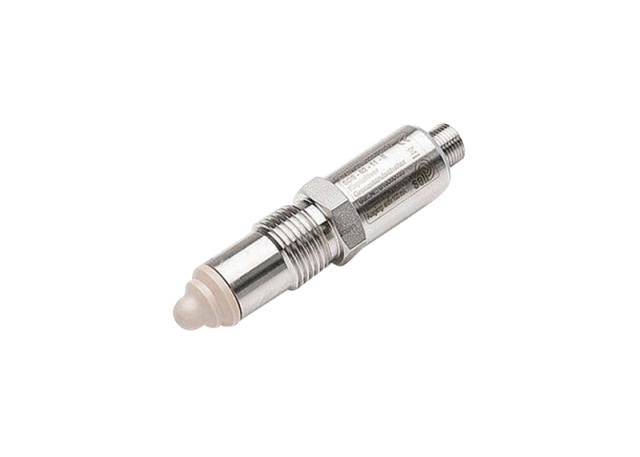
Capacitive Level Switch SGS-02
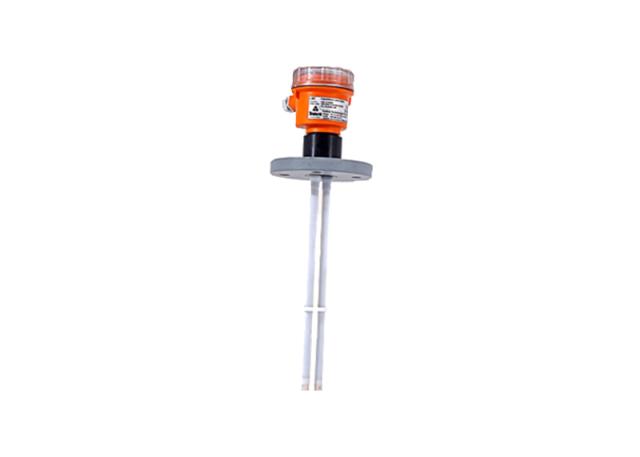
Capcitance Point(S) Level Switch
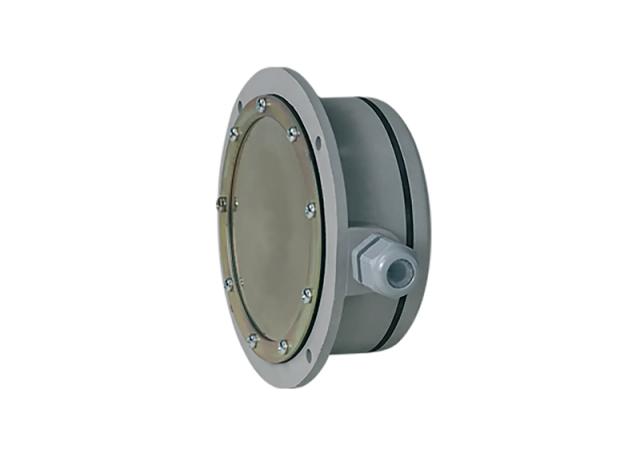
Chute Jam Level Switch
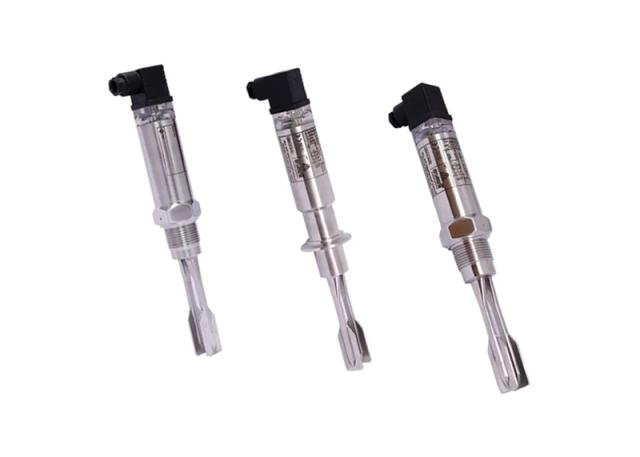
Compact Vibrating Fork Point Level Switch For Liquids & Solids
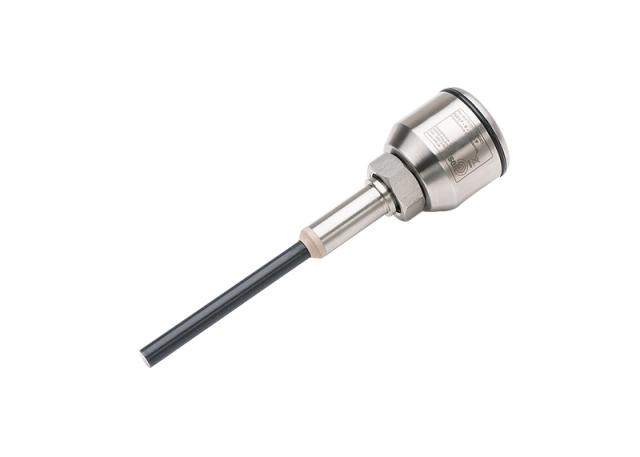
Conductive Type Level Detector KS-17
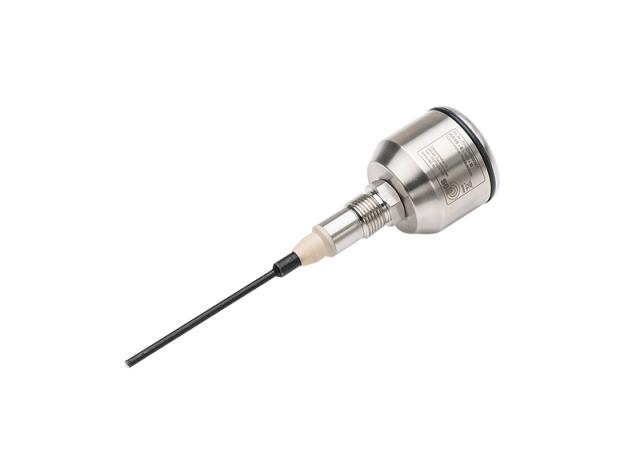
Conductive Type Level Detector SKS-15
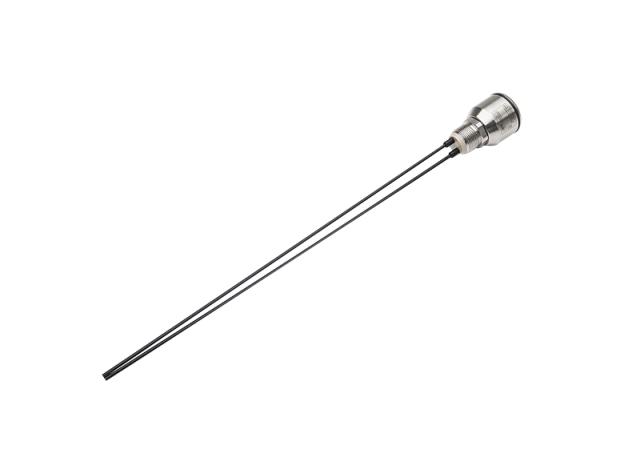
Conductive Type Level Detector SKS-25
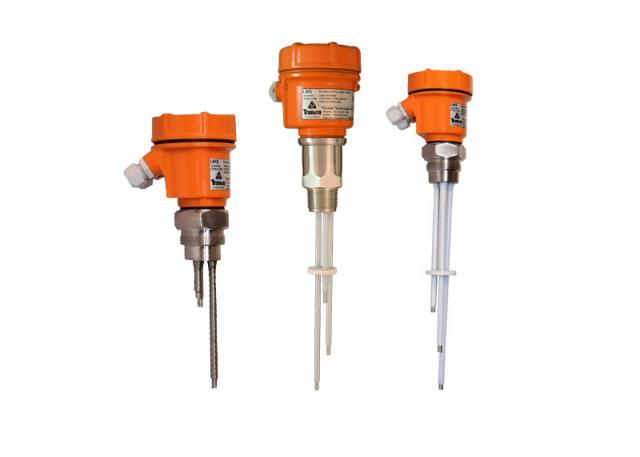
Conductivity Point(S) Level Switch For Conductive Liquids
Selection guide
Level Switches & Transmitters Guide
How to choose a level product
Start with what you need from the reading and what the material is:
- Trip point or continuous value: a switch, such as a point level switch, is simpler and cheaper when an alarm or a pump start/stop is all you need. A transmitter, such as a level transmitter for solids and liquids, is worth the extra cost when you need to see the actual volume or control filling smoothly.
- Liquid or bulk solid: the material determines which technology fits, covered by job below.
By material and job
- Free-flowing powders and granules: a vibrating fork or rotating paddle switch, covered on the point level switch page above.
- Sticky bulk solids in silos: an admittance switch (point level switch page), or a boot or membrane level switch for dense, abrasive material at minimum level.
- High level on conveyors and in silos: a pendulum level switch, a simple mechanical tilt switch with nothing to calibrate.
- Blocked transfer chutes: a chute jam level switch.
- Overfill on screw and chain conveyors: an overflow switch for screw/chain conveyors.
- Continuous silo or tank level, solids or liquids: radar, guided wave radar, ultrasonic or capacitance, all on the level transmitter for solids and liquids page.
- Water tanks, wells and reservoirs: a hydrostatic level transmitter for a continuous reading, or a water level switch for pump control and alarms, or a water level transmitter (Beck 981) for a dedicated continuous water reading.
- Milk silos and dairy tanks: flush-mounted milk silo level transmitters built for CIP cleaning.
- Local display, relays or open-channel flow: indicator-controller transmitters.
For hazardous dust or gas areas, see flameproof level switches and transmitters.
FAQ
Common questions
Should I choose a level switch or a level transmitter?
A switch signals when the level reaches one point, such as high or low, and suits pump control or overfill alarms. A transmitter gives the level continuously, so you can see how much is in the vessel, trend usage and control filling smoothly. Many plants use a transmitter for monitoring and a switch as an independent high alarm.
Which level switch suits sticky bulk solids?
An admittance level switch, which is designed to ignore build-up left on the probe by sticky material. The Trumen admittance switch handles both sticky and non-sticky solids and liquids, up to 600 °C with ceramic insulation, and won't false-trip the way a standard capacitance probe can.
Radar or ultrasonic for continuous level measurement?
Radar is unaffected by vapour, dust, temperature and pressure, so it suits dusty silos and process vessels. Ultrasonic is a cost-effective choice for water, open tanks and open channels where dust isn't a concern. Guided wave radar is the better choice again for tight vessels, obstacles or low-dielectric liquids.
What level sensor suits a cement silo?
Radar or guided wave radar, because the microwave signal isn't affected by the heavy dust inside a cement silo, unlike ultrasonic. For a simple high-level trip point instead of continuous monitoring, a pendulum or vibrating fork switch also works well in cement dust.
Do you supply level products for hazardous areas?
Yes. Several point level switches, and the pendulum and boot/membrane switches, are supplied in ATEX versions for combustible dust and gas zones. See our flameproof level switches and transmitters page, and confirm your zone with us before ordering.
How is a level switch or transmitter installed on a tank or silo?
Switches usually mount through the vessel wall or top at the level to be detected; transmitters mount at the bottom (hydrostatic types) or top (radar, ultrasonic, guided wave radar), looking down. Tell us the vessel type, material and mounting access and we'll confirm the right connection.
Need help?
Can't find what you need?
Our team helps you select the right level products for your application. Request a quote or discuss your requirements.
Expert product guidance
Tailored selection of level instruments
Custom solutions
Instruments customized for your specific industrial setup
Trusted global brands
Full warranty and official documentation support